






ROUTINE is a first-person sci-fi horror game built around tension, vulnerability, and atmospheric dread. Set on an abandoned lunar research station, the game invites players to step inside a world where analog retro-futurism meets unsettling silence. Every corridor, every shadow, and every sound reinforces the sense that something has gone terribly wrong.
The title has gained attention thanks to its striking visual style, slow-burn horror, and unpredictable robotic enemies. Rather than relying on traditional combat, ROUTINE emphasizes stealth and survival. Players must navigate the station’s dimly lit halls, uncover its mysteries, and stay alive against threats that are both intelligent and relentless.
Below is a complete breakdown of ROUTINE, including gameplay elements, narrative themes, design choices, and what makes it compelling for fans of tense, survival-driven experiences.
1. The Haunting Setting of a Desolate Moon Base
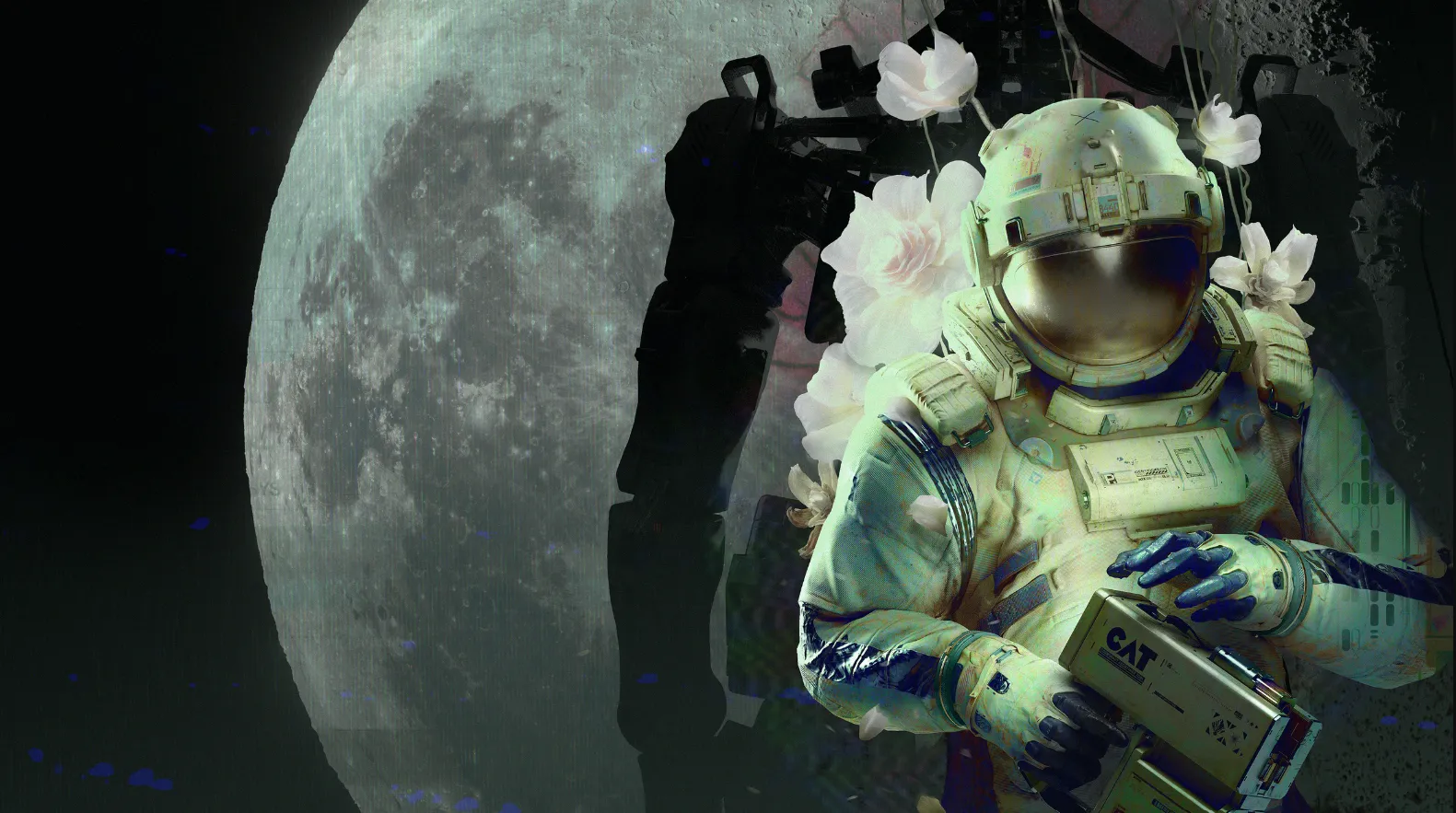
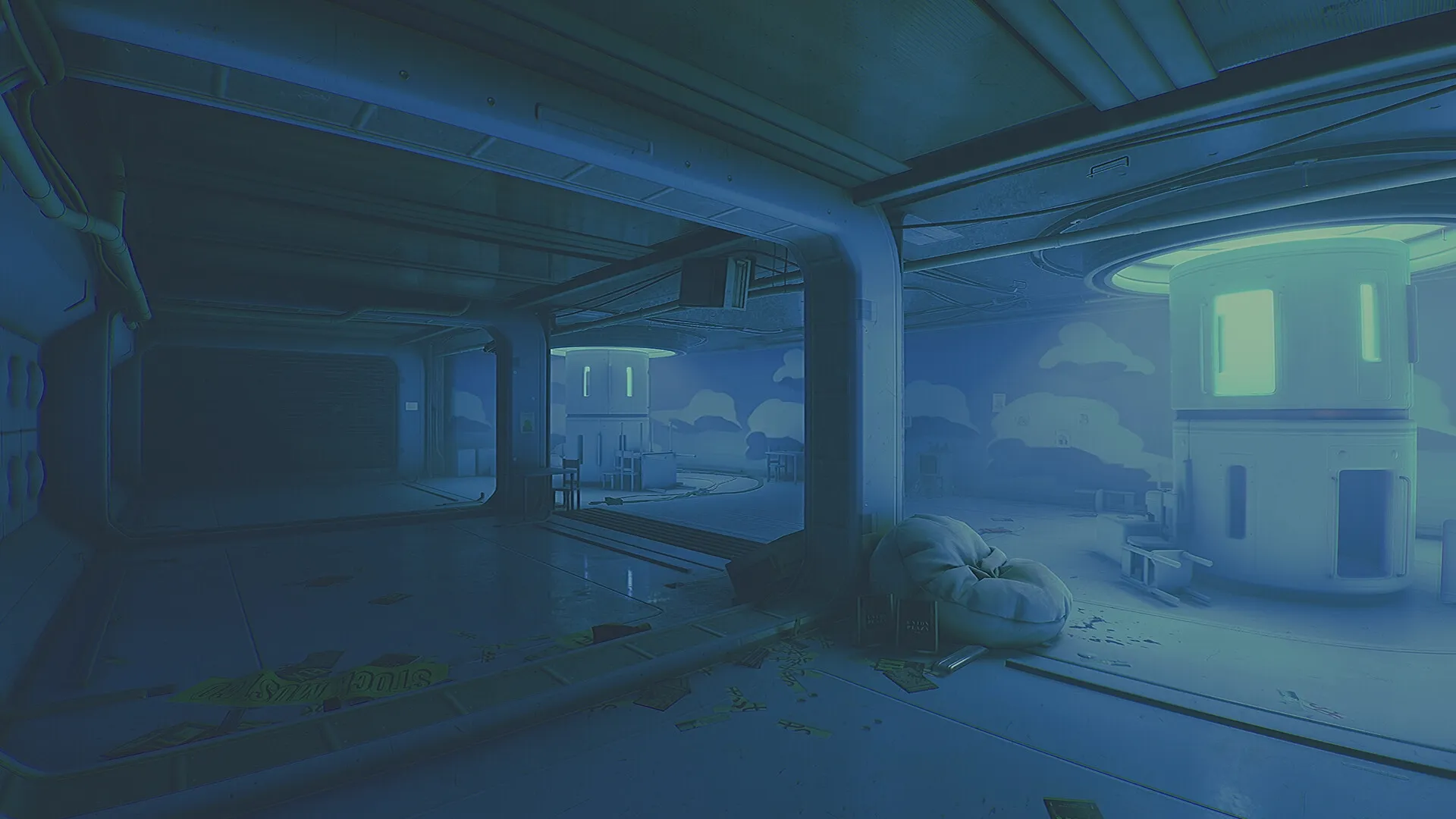
ROUTINE takes place on the Lunar Research Station, a massive installation once dedicated to scientific advancement. Now abandoned and decaying, the base feels eerily frozen in time. Its cold interiors, flickering lights, and analog machinery contribute to an atmosphere that is both nostalgic and deeply disturbing.
Instead of futuristic gloss, the environment leans heavily on retro cybernetic realism. CRT monitors, brass fittings, and mechanical switches make the station feel aged and strangely familiar. Yet this familiarity only amplifies the tension as players explore deeper and uncover signs of catastrophe.
2. The Retro-Futuristic Visual Identity
One of ROUTINE’s defining traits is its dedication to 80s-styled retro-futurism. The game blends old analog aesthetics with speculative lunar science, creating a world that feels simultaneously advanced and archaic. Details like grainy monitors, outdated robotics, and low-tech control panels contribute to the unsettling authenticity.
Lighting also plays a major role in shaping the atmosphere. The developers employ soft glows, sharp shadows, and environmental flickers to immerse players in a world where visibility is limited and threats feel ever-present. This visual direction elevates ROUTINE beyond typical sci-fi horror.
3. A Story Told Through Discovery
ROUTINE does not rely on cinematic exposition. Instead, players piece the narrative together through exploration, environmental storytelling, and subtle audio cues. Logs, notes, and malfunctioning systems gradually reveal what happened to the station and its inhabitants.
This storytelling approach encourages attentiveness and rewards curiosity. Rather than presenting a linear tale, ROUTINE lets players interpret events and form their own theories about the tragedy and the robotic threat that remains.
4. First-Person Immersion and Tension
The first-person perspective heightens every moment of suspense. Narrow corridors, sudden system malfunctions, and the distant clanking of metal make players feel truly present on the lunar base. The absence of a HUD or overt guidance further increases immersion.
Players do not feel powerful. Instead, they feel exposed as they push deeper into the unknown, listening carefully for signs of danger. This constant tension defines ROUTINE’s identity as a slow, atmospheric horror experience.
5. Stealth-Focused Survival Gameplay
ROUTINE is not a shooter. Instead, survival depends on staying hidden, moving quietly, and staying out of sight of the robotic threats that patrol the station. Players must be mindful of noise, shadows, and their surroundings at all times.
The game’s stealth mechanics reward patience. Running blindly or confronting enemies head-on is rarely an option. Success requires thoughtful movement, calculated risks, and careful timing—perfectly aligning with the game’s focus on vulnerability over power.
6. Robotic Enemies That Adapt and Hunt
ROUTINE’s robotic antagonists are one of its most defining features. These machines are not simple patrol bots; they react to sound, movement, and visual cues, making encounters unpredictable. Their eerie, humanoid designs and malfunctioning behavior contribute significantly to the horror.
Players never know when a machine may round a corner, activate unexpectedly, or detect a misstep. This unpredictability maintains constant dread, ensuring that every exploration feels dangerous.
7. The Tool-Based Survival System
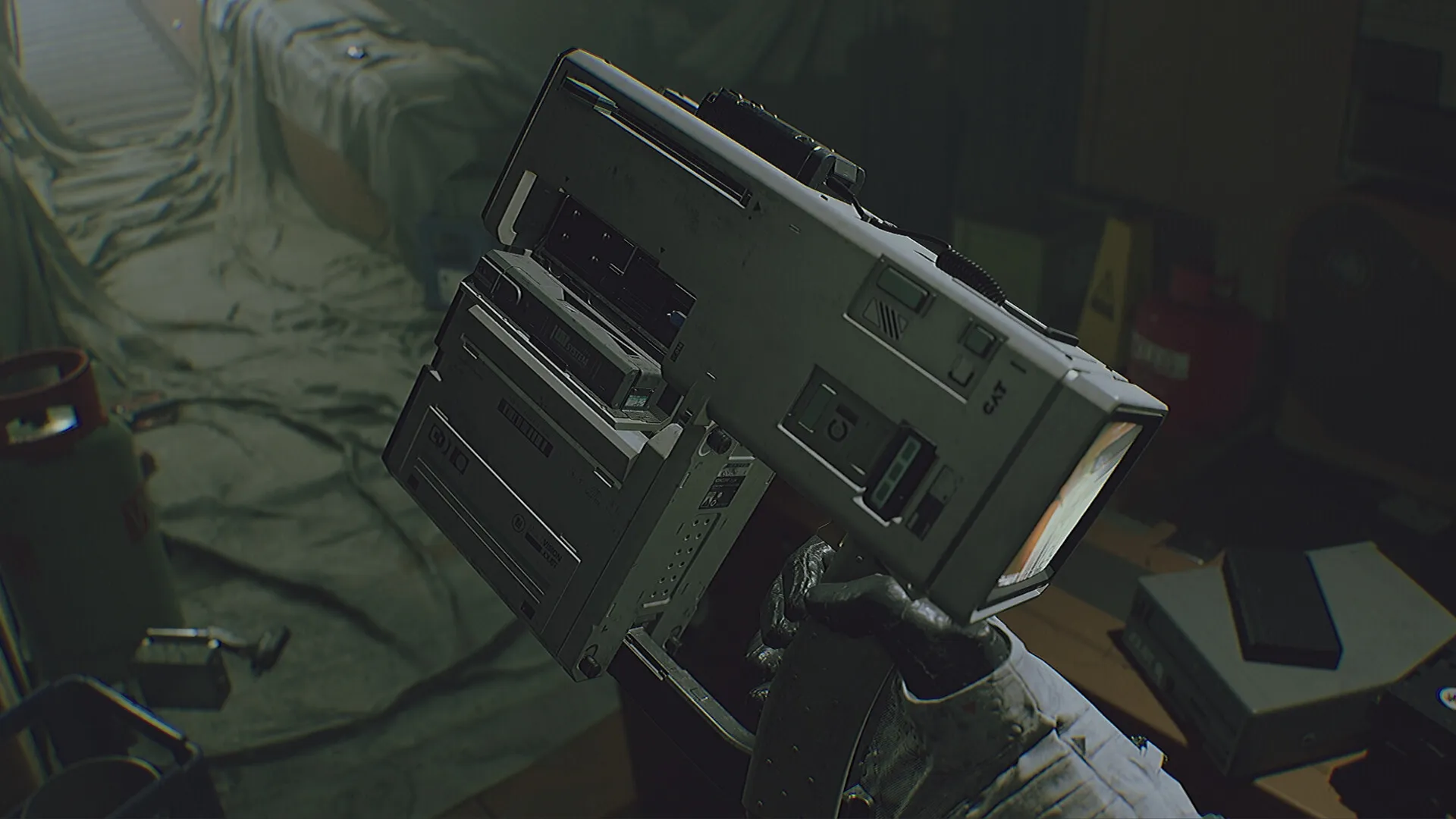
Instead of relying on weapons, players use tools to hack systems, unlock new areas, and manipulate the environment. These tools, while useful, do not empower the player to dominate enemies. They support survival rather than combat.
Managing limited resources becomes a core challenge. Batteries, system modules, and upgrade components must be used sparingly. This scarcity reinforces the atmosphere of desperation and careful decision-making.
8. Sound Design That Heightens the Fear
Sound plays a pivotal role in ROUTINE’s tension. Every mechanical whirr, metal scrape, and distant thump can signal danger. The near-silence of the station amplifies each noise, making players hyper-aware of their surroundings.
The soundtrack is subtle, minimalistic, and atmospheric. Instead of intense music, ROUTINE relies on ambient tones and environmental cues to create fear. This approach ensures players never feel safe, even in seemingly quiet areas.
9. Exploration and Non-Linear Progression
ROUTINE gives players a degree of freedom in how they explore the lunar base. While certain sections are locked behind objectives or tools, the game encourages revisiting areas and discovering new paths. This design makes the station feel like a real, interconnected space.
The non-linear approach also allows players to uncover story fragments in different orders. Depending on the path taken, the experience can feel slightly different each time, adding replay value.
10. What Makes ROUTINE Stand Out in the Horror Genre
ROUTINE sets itself apart by avoiding cheap jump scares and instead focusing on sustained suspense. Its retro-futuristic design, oppressive atmosphere, and unpredictable robotics create a unique blend of sci-fi and horror.
The deliberate pacing and emphasis on survival make ROUTINE ideal for players who enjoy tension, exploration, and mystery. It is not a game built around action but around fear, vulnerability, and discovery—qualities that give it lasting impact.
Conclusion
ROUTINE is a meticulously crafted sci-fi horror experience that transforms a retro-futuristic lunar base into a labyrinth of fear and uncertainty. Through its immersive visuals, adaptive robotic enemies, and environmental storytelling, it creates an atmosphere that lingers long after the screen is off. Fans of atmospheric survival horror, slow-burn tension, and exploration-driven narratives will find ROUTINE both memorable and deeply unsettling.