.webp)








Introduction
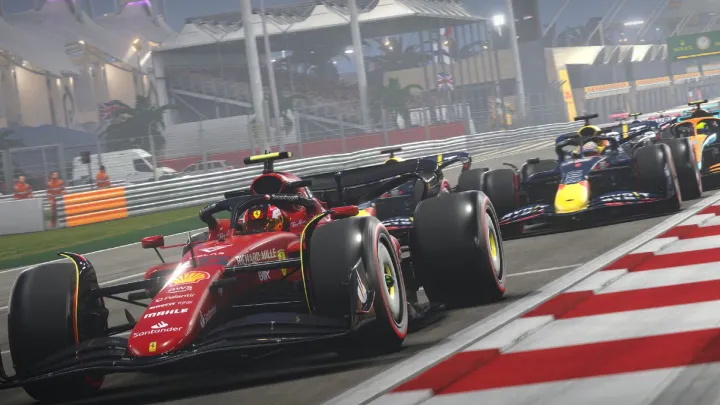
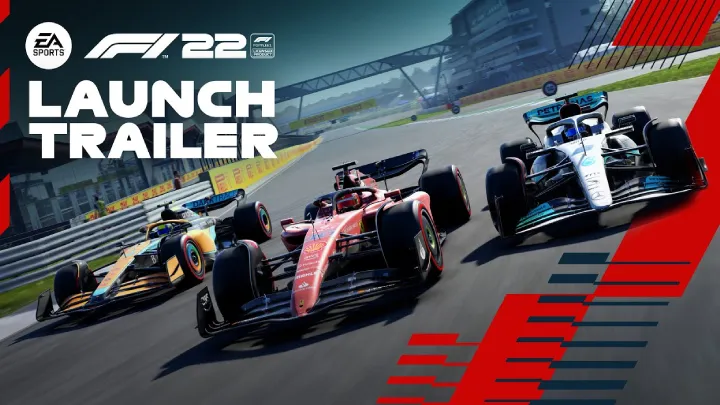
F1 2022 has taken significant strides in bringing the thrill of Formula 1 to gaming consoles and PCs, focusing not only on high-speed racing but also on the strategic depth behind each race. One of the defining features of the game is its realistic approach to race strategy, which directly impacts performance on the track and can dictate the outcome of races. The game's commitment to realism extends to tire management, fuel conservation, and pit stop strategies, allowing players to engage in a deeply tactical experience that mirrors real-life Formula 1 racing. This article will explore the complexities of race strategy in F1 2022, discussing how the game models strategic decisions, the implications of those decisions on gameplay, and the lessons in real-world racing that players can learn from their virtual experiences.
The Importance of Race Strategy
Beyond Speed: The Tactical Dimension
While speed is undoubtedly critical in Formula 1, the 2022 season emphasizes that race strategy can significantly affect a driver's performance. In F1 2022, every race requires consideration of variables such as weather conditions, tire wear, and fuel levels, emphasizing that success on the track isn’t merely about raw speed. Players must adopt a holistic approach, balancing aggressive racing with strategic foresight to achieve the best results.
A Learning Curve for New Players
For newcomers to the series, understanding the intricacies of race strategy can be daunting. The game incorporates tutorials and guided challenges that help players learn about essential aspects like tire compounds, pit strategies, and managing laps effectively. This educational element allows new players to grasp how strategic decisions can impact their race outcomes and creates a steep learning curve that can lead to more rewarding gameplay as they become familiar with the nuances of Formula 1 racing.
Tire Management: The Heart of Strategy
Types of Tires and Their Characteristics
Tire management is one of the cornerstones of race strategy in F1 2022. Players must choose from various tire compounds—hard, medium, and soft—each with different performance characteristics and degradation rates. Understanding these differences is crucial for formulating an effective strategy.
- Hard Tires: Long-lasting and less prone to degradation, making them ideal for extended stints but offering lower grip levels.
- Medium Tires: A balanced option that provides a mix of performance and longevity, allowing for flexibility during the race.
- Soft Tires: Designed for maximum grip but wear out quickly, incentivizing players to use them strategically, often during qualifying or the start of the race.
The Science of Degression
In F1 2022, tire wear is simulated realistically, adding another layer of complexity. Players must be vigilant about how hard they push their tires, as aggressive driving can lead to quicker degradation, forcing earlier pit stops. This mechanic emphasizes the importance of managing tire temperatures and pressures to maintain optimal performance throughout the race.
Strategic Pit Stops
Strategizing pit stops around tire management is another critical element. Players must anticipate when to switch tires based on wear levels, making decisions influenced by track conditions and competitor strategies. Executing a well-timed pit stop can mean the difference between winning and losing, as it not only affects tire performance but can also introduce valuable track position changes relative to competitors.
Fuel Management: Balancing Speed and Efficiency
The Role of Fuel in Race Strategy
Fuel management in F1 2022 offers another layer that players need to master. The amount of fuel carried affects vehicle weight and, consequently, speed and handling. Players must balance the need for speed with the necessity of conserving fuel to avoid running out before the finish line. This duality requires careful consideration of driving style and race conditions, adding depth to the overall racing experience.
Conservation Strategies
Players can adjust their driving mode—increasing fuel efficiency or pushing for faster lap times—to enhance their strategy. Employing strategies such as lifting and coasting (easing off the accelerator) helps conserve fuel while maintaining competitive lap times.
Data-Driven Decisions
Understanding the fuel load requirements of specific tracks is essential. For instance, circuits with long straights like Monza might necessitate carrying less fuel, while tighter, more technical tracks like Monaco might require a heavier load. Mastering when to push aggressively or conserve fuel creates additional tactical opportunities for players during races.
Weather Conditions and Their Tactical Implications
The Impact of Weather on Race Strategy
Weather can dramatically alter the dynamics of a race in F1 2022. Conditions such as rain, heat, or cool temperatures introduce uncertainty that players must factor into their race strategies. Weather changes can affect everything from tire choice to pit strategies, putting players' knowledge and adaptability to the test.
- Dry Conditions: Favor a straightforward strategy focused on tire selection and pit timing.
- Rain-Soaked Tracks: Require players to switch to intermediate or wet tires, significantly altering their approach to both speed and cornering.
Dynamic Weather Conditions
The game’s dynamic weather system makes races unpredictable, which can lead to thrilling moments where quick thinking and adaptability become essential. The challenge of adjusting strategies on the fly reflects the real-world challenges faced by Formula 1 teams, enhancing the immersive experience of F1 2022.
Alerts and Feedback Mechanisms
F1 2022 provides players with feedback mechanisms, such as weather notifications and updates, to allow for informed decision-making. Keeping an eye on the forecast and monitoring track conditions can give players a competitive edge, simulating the experience teams go through during live races.
Driver Fatigue and Its Influence
The Human Element
One of the more subtle yet important factors in F1 2022 is driver fatigue, impacting performance over the race's duration. Players must learn to balance aggressive racing with realistic considerations for maintaining peak performance.
Managing Physical and Mental Fatigue
Actual F1 drivers often manage not only physical fatigue from G-forces but also mental fatigue from constantly strategizing and making rapid decisions. Emulating this in the game, players might notice that taking a more strategic, controlled approach could yield better results than aggressive driving throughout the entire race.
AI Competitors and Their Strategic Depth
Learning from AI Behavior
In F1 2022, the AI drivers exhibit realistic behavior that reflects their own strategic choices and abilities. Players must adapt their own strategies based on how these AI competitors behave during the race.
- Aggressive AI: Competitors that push for positions may force players to reconsider their aggressive strategies, opting instead for defensive tactics.
- Conservative AI: Competitors who race more conservatively may provide opportunities for overtaking and changing strategies mid-race.
Dynamic Rivalries
The game encourages players to develop rivalries with AI competitors, heightening the emotional stakes in races. These rivalries can lead to fierce battles on the track, requiring nuanced understanding of when to engage and when to hold back based on both tire strategies and fuel conservation.
Multiplayer Strategy
Team Dynamics
F1 2022 features multiplayer modes that add another layer of complexity to race strategy. Players can work collaboratively with teammates to formulate race strategies, whether through pit stop coordination, tire selection, or fuel management.
Communication and Coordination
Effective communication in multiplayer races becomes essential. Players can share insights about tire wear, fuel levels, and competitor strategies, adding layers of teamwork and shared strategy that enhance the overall racing experience.
Lessons from Real-World Racing
Reflecting Real-World Strategy
F1 2022 serves as an educational tool by presenting a realistic portrayal of strategy within Formula 1 racing. Players who engage deeply with the mechanics can glean insights into real-world racing strategies implemented by actual racing teams.
Bridging the Gap
The game offers a unique opportunity for racing enthusiasts to bridge the gap between virtual and real-world racing. By understanding and applying racing strategies learned in F1 2022, players can develop a more nuanced appreciation of the challenges faced by professional drivers and teams.
Conclusion
F1 2022 sets a high standard for realism by incorporating complex race strategies that mirror real-world Formula 1 racing. Players must navigate a labyrinth of tire management, fuel conservation, weather conditions, and dynamic AI behaviors to succeed. The depth of strategic decision-making enhances the immersive experience and allows for personal growth in racing skills. By treating strategy as an integral part of gameplay, F1 2022 encourages players to appreciate the multifaceted nature of Formula 1 racing, transforming their motivation for speed into a deeper understanding of the tactical considerations that define the sport. Through this blend of excitement and strategy, the game enriches the player’s experience, providing a microcosm of the thrilling and often unpredictable world of Formula 1.