.webp)





Introduction
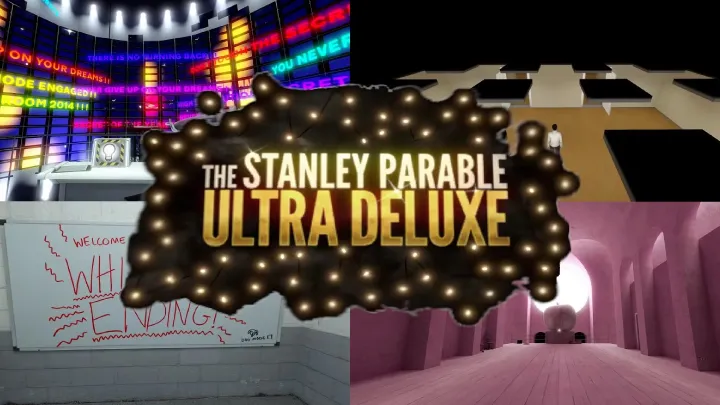
The Stanley Parable: Ultra Deluxe serves as both a revision and expansion of the original 2013 game, inviting players back into the surreal narrative landscape that questions the very nature of choice, free will, and agency. With its satirical take on game design and storytelling, the Ultra Deluxe version offers new content while expanding on the themes of its predecessor, further encouraging players to engage in a unique exploration of self-awareness and existentialism. In a world saturated with choices, The Stanley Parable carefully deconstructs the notion of agency, prompting players to reconsider the significance of their decisions within the framework of a seemingly linear narrative. This article delves deeply into the complexities of choice and agency in The Stanley Parable: Ultra Deluxe, examining how the game’s narrative structure, design, and themes invite players to confront the very essence of what it means to have control over one’s actions.
Setting the Stage: A World of Choices
The Office and Its Conformity
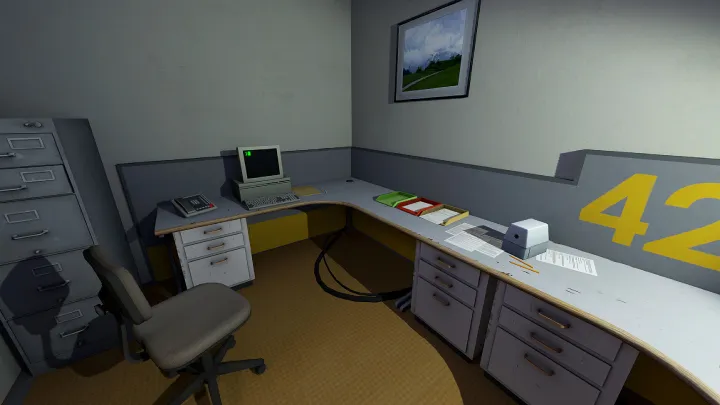
In The Stanley Parable, players begin in a nondescript office that exemplifies the mundanity of corporate life. The setting serves as an effective backdrop for exploring themes of choice and conformity. The sterile environment, lined with the mundane hum of office tasks, reflects a world where agency seems limited. This established norm positions players to question their role within it, representing a microcosm of a broader societal structure that encourages conformity in exchange for stability.
The Narrator: A Catalyst for Choice
At the heart of the game is the narrator, whose voice guides players through the unfolding narrative. The narrator’s tone fluctuates between whimsical, authoritative, and sarcastic, skillfully pushing players toward specific decisions while simultaneously presenting the illusion of choice. This dynamic between the narrator and Stanley embodies the concept of free will, examining the paradox of autonomy versus external influence. The narrator becomes a reflection of the player’s desires, questioning the validity of choices made within the bounds of his guidance.
The Illusion of Choice
Branching Narratives
The Stanley Parable is characterized by its branching narrative structure, where players encounter a series of choices that seemingly dictate their path through the story. These choices range from simple decisions, such as which door to exit, to more complex moral dilemmas that prompt introspection. The illusion of choice leads players to believe they are crafting their own narratives, yet the game cleverly subverts this expectation.
Reaffirming the Illusion
As players navigate the various paths, the game continually reaffirms the illusion of choice. Despite the different outcomes, players frequently find themselves returning to similar scenarios, as if trapped in a cycle of predetermined paths. This recursive design sheds light on the limitations of autonomy within the game, forcing players to confront the notion that their decisions may not be as impactful as they perceive. The irony lies in the fact that players engage willingly in this cycle, questioning their role in shaping the narrative.
The Nature of Free Will
A Philosophical Inquiry
The Stanley Parable posits a philosophical inquiry into the nature of free will. By presenting a world rife with illusions, the game encourages players to reflect on their understanding of autonomy and choice. The narrator often interjects with commentary that prompts deep considerations, challenging players to analyze their motivations and desires. The game forces players to grapple with fundamental questions about their agency and the decisions they make.
Confronting the Consequences of Choice
The consequences of choices made during the game often manifest in unexpected ways, leading to outcomes that challenge the player’s initial motivations. Players may find themselves facing dire fates, absurd situations, or unexpected endings that call into question their sense of control. This confrontation with the consequences of choice underscores the intricate relationship between free will and the environment in which decisions are made.
Humor and Satire in Subverting Expectations
The Use of Humor
The Stanley Parable utilizes humor as a powerful tool to subvert expectations surrounding gameplay and storytelling. The narrator’s witty observations and sarcastic remarks provide comic relief while simultaneously deepening the narrative. This blend of humor makes the themes of choice and agency more accessible, inviting players to reflect while being entertained.
Satirical Commentary
The game serves as a satire of the gaming industry itself, mocking tropes associated with choice-driven narratives, such as branching storylines and player agency. By presenting exaggerated scenarios, The Stanley Parable comments on the pitfalls of relying on conventional mechanics, encouraging players to think critically about the choices they make in various gaming experiences. This self-awareness enriches the narrative, inviting players to reconsider how they interact with games and the choices they present.
The Expansion: Ultra Deluxe
New Content and Fresh Perspectives
With the release of The Stanley Parable: Ultra Deluxe, players are introduced to new content and reimagined scenarios that expand upon the original’s themes. The inclusion of additional endings and new narrative paths enhances player engagement while further exploring the depths of choice and consequence. This expansion opens new avenues for introspection, pushing players to ponder the implications of their decisions more profoundly.
Enhanced Presentation and Mechanics
The Ultra Deluxe version also boasts improved presentation and mechanics, heightening the immersive experience. The polished visuals and refined audio contribute to the overall atmosphere of exploration, inviting players to dive deeper into the game’s narrative layers. This enhancement illustrates the idea that presentation can significantly affect how players engage with themes of choice and agency, reinforcing the notion that perception shapes experience.
The Meta-Narrative: Breaking the Fourth Wall
The Constant Awareness of the Player
The Stanley Parable is notable for its self-referential and meta-narrative style, which consistently breaks the fourth wall. The narrator frequently acknowledges the player’s presence, commenting on their choices and actions in real-time. This constant awareness invites players to reflect on their role as participants in the story, leading to a deepened sense of engagement with the narrative.
Reflecting on the Nature of Games
By breaking the fourth wall, the game encourages players to consider the nature of gaming itself. It poses questions regarding the relationship between developers, players, and the narratives crafted within the medium. This meta-commentary invites players to explore their expectations and experiences, subtly nudging them to confront their assumptions about traditional gaming structures.
Choice as a Form of Identity
Developing Player Identity
As players make choices throughout The Stanley Parable, their actions become a form of self-expression. Each decision reveals a facet of the player’s identity, reflecting their values, preferences, and reactions to the game’s challenges. The act of choosing ultimately illuminates aspects of their personality, fostering personal investment in the narrative.
The Consequence of Identity
The game reinforces the idea that choices shape not just the narrative but the player’s understanding of themselves. Through experiences of failure, success, absurdity, or unexpected twists, players begin to reflect on their values and how these values inform their playstyle. This exploration of identity adds a layer of depth to the experience, prompting players to engage with the narrative in a way that transcends gameplay mechanics.
The Lasting Impact of The Stanley Parable
Cultural Significance
The Stanley Parable has achieved cultural significance as a game that challenges conventions and explores themes of choice, agency, and narrative. Its innovative approach invites players to reflect on their interactions with games and narratives, ultimately enriching the conversation around the potential of video games as a storytelling medium.
An Expansion of Possibilities
The Ultra Deluxe version takes the original's legacy and expands it, providing new opportunities for exploration and reflection. As it challenges players to reconsider the nature of choice, The Stanley Parable continues to resonate within the gaming community, inspiring developers and players alike to engage deeply with the narratives they encounter.
Conclusion
The Stanley Parable: Ultra Deluxe intricately examines the complexities of choice, agency, and the nature of storytelling in video games. Through its captivating narrative structure, humorous commentary, and the innovative use of self-referential elements, the game challenges players to confront their perceptions of autonomy and self-identity. As players navigate the labyrinth of choices, they engage in a profound exploration of not only the game itself but also their relationships with narrative and gameplay. Ultimately, The Stanley Parable reminds us that within the vast landscape of video games lies a treasure trove of existential inquiries awaiting exploration, pushing boundaries and inspiring new avenues for narrative engagement.