.webp)





Introduction
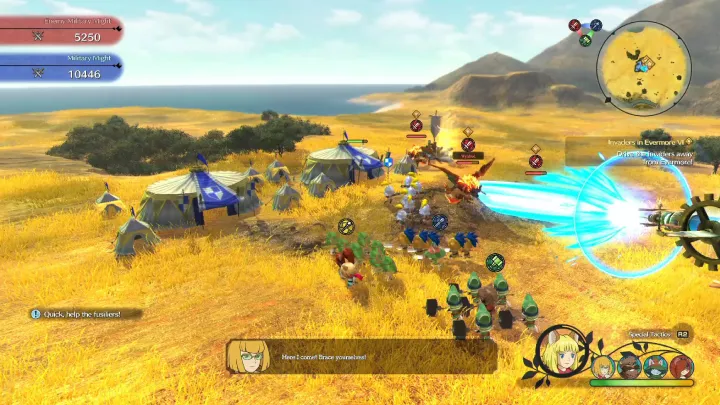
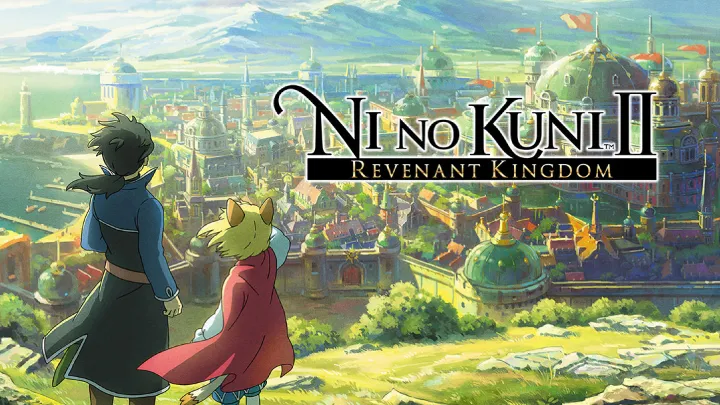
Ni no Kuni II: Revenant Kingdom, developed by Level-5, is more than just a whimsical role-playing game set in a fantastical world; it's a nuanced exploration of leadership, governance, and the power of unity. Following the journey of Evan Pettiwhisker Tildrum, a young king whose kingdom is usurped, the game weaves a rich narrative that examines the intricacies of statecraft and the importance of collaboration among diverse factions. This article will delve deeply into the theme of unity within Ni no Kuni II, exploring how the game's storyline, character interactions, and gameplay mechanics reflect the challenges and rewards of coming together for a common purpose. Through this exploration, we will highlight the game's insightful commentary on leadership and community-building in both the fictional and real worlds.
Setting the Stage: A Kingdom in Turmoil
The Upheaval of Evan's Realm
Evan begins his journey in the Kingdom of Ding Dong Dell, where he is taken under a relentless assault by the usurper, an event that serves as the catalyst for his quest. This initial turmoil not only sets the emotional tone for Evan's character development but also introduces players to a world at a crossroads. The upheaval highlights the fragility of leadership and the often unpredictable nature of power dynamics.
The Stakes of Leadership
The game carefully illustrates what is at stake when governance is disrupted. As Evan confronts the aftermath of his kingdom's destruction, players are introduced to the consequences of political instability. This narrative element emphasizes the responsibility of rulers to maintain harmony in their realms, prodding players to consider the repercussions of their actions within both their fictional and real-life contexts.
The Call to Unify: Evan's Journey Begins
The Mentor Figure: Roland
Evan’s journey is guided in part by the appearance of Roland, a mysterious figure from another world who becomes a mentor to Evan. Roland’s experience shapes Evan’s understanding of leadership and the qualities necessary for a just ruler. Their mentorship conveys the importance of leveraging diverse perspectives to build a cohesive governance strategy.
The Urgent Need for Allies
As Evan sets out to reconstruct his kingdom, he quickly realizes that leadership cannot be exercised in isolation. To restore his kingdom effectively, he must seek alliances across different realms, each with its unique cultures, challenges, and needs. This quest underscores the vital theme of unity, reflecting the principle that collaboration is essential in overcoming adversity and rebuilding.
The Importance of Kingdom Building
The Foundation of Evermore
At the heart of Ni no Kuni II is the kingdom-building mechanic that allows players to construct and manage their kingdom, Evermore. This system serves as a direct reflection of Evan's development as a leader and encapsulates the game's core message about the value of unity. Players must attract citizens from various backgrounds to join their kingdom, emphasizing inclusivity and the pooling of different resources and talents.
Resource Management and Royalties
As players engage with this mechanic, they are challenged to think strategically about resource management. Building a successful kingdom relies on gathering diverse citizens who can contribute various skills. The gameplay not only enriches the narrative but also reinforces the idea that diversity and collaboration lead to stronger communities. As citizens' unique attributes are harnessed, players witness the power of collective effort in governance.
Character Interactions and Their Significance
Diverse Allies
Throughout his journey, Evan encounters a myriad of characters, each representing different cultures and motivations. These characters, from the valiant Tani to the formidable Buck, serve as essential allies whose contributions highlight the game's theme of unity. Their individual story arcs resonate deeply, attracting players to invest in their development while reinforcing the message that every voice matters in governance.
Emotional Bonds and Team Dynamics
The emotional connections between characters deepen as the story unfolds. Player choices concerning interactions can alter relationships, impacting the dynamics within Evan's group. This system encourages players to foster unity within their team, mirroring how respect and camaraderie contribute to successful leadership in real life.
The Nature of Conflict: Allies and Adversaries
The Role of Antagonists
Evan's attempt to unify his kingdom is met with resistance from antagonists who threaten the fragile alliances he is forming. Characters such as Henchman and the nefarious forces of the invading empire introduce complex moral dilemmas. These conflicts force players to grapple with the consequences of rivalry and competition, illustrating how these factors can jeopardize the unity needed to advance goals.
Navigating Complex Relationships
The dynamic between Evan and his adversaries highlights the intricate nature of relationships, revealing that unity often requires addressing underlying tensions. As players navigate these antagonistic relationships, they learn that effective governance often involves negotiation, compromise, and the arduous process of understanding differing perspectives.
The Power of Dreams and Aspirations
Building a Vision
A critical aspect of unity in Ni no Kuni II is the aspiration for a better future. Evan's desire to create a peaceful and prosperous kingdom drives much of the narrative. His vision serves not only as a personal goal but as an inspirational force that unites others around him.
Collective Dreams
As citizens are brought into the kingdom, they bring their own dreams and aspirations. Their stories enrich the game's narrative and demonstrate that a ruler's vision must align with those of their citizens. This synergy encourages players to think critically about the role of shared dreams in unifying communities and fostering collective resilience.
The Challenges of Governance
Political Intrigue and Diplomacy
As Evan expands the kingdom, the complexities of governance become increasingly apparent. Political intrigue and diplomacy emerge as fundamental gameplay elements, challenging players to navigate the highs and lows of leadership. Decisions related to alliances, trade, and military action weigh heavily on Evan’s shoulders, underscoring the complexities of governance.
Balancing Interests
The game's multifaceted political landscape requires players to balance competing interests, representing rival factions while attempting to maintain unity among their citizens. These decisions allow players to reflect on real-world issues of governance and the importance of finding common ground in the face of conflict.
Unity through Diversity
Celebrating Differences
Ni no Kuni II eloquently demonstrates the strength found in diversity. As Evan recruits characters from different backgrounds, the game emphasizes that true unity honors the differences within communities rather than suppressing them. Each character adds unique flavors, skills, and insights, offering varied perspectives on governance and collaboration.
Cultural Representations
The game showcases rich cultural elements in various regions, from architecture to traditions and festivals. This diversity is integral to the storytelling and serves as a reminder that unity does not equate to uniformity. Instead, it calls for respect, appreciation, and collaboration among varying cultures, emphasizing themes of inclusivity and understanding.
The Resolution: Achieving Unity and Hope
The Climax: Overcoming Adversity
As players journey toward the game's climax, the tension surrounding unity reaches a peak. Evan is tested in both his leadership abilities and his resolve to bring people together. The circumstances he faces prompt players to make pivotal decisions, ultimately shaping the outcome of his quest.
A Symbol of Hope
The resolution emphasizes the importance of hope in unity. By the game's conclusion, players understand that while the journey may be fraught with obstacles and challenges, it is the spirit of collaboration, empathy, and shared aspirations that paves the way for a brighter future. The final moments serve as a poignant reminder of the transformative power of unity, inspiring players to carry these lessons beyond the confines of the game.
Conclusion
Ni no Kuni II: Revenant Kingdom serves as a poignant exploration of the themes of unity, governance, and the complexities of leadership. Through its engaging narrative, character interrelations, and gameplay mechanics, the game articulates a powerful message about the strength found in collaboration amid diversity. As players guide Evan through his tumultuous journey, they are prompted to reflect on the importance of building inclusive communities, balancing differing interests, and perusing shared dreams. The game's rich thematic depth offers insightful commentary on the nature of leadership and governance, challenging players to embrace unity and understanding in their lives. Ultimately, Ni no Kuni II stands as a testament to the powerful connections that can be formed when individuals come together for a common purpose, inspiring hope in the face of adversity.