.webp)
Introduction
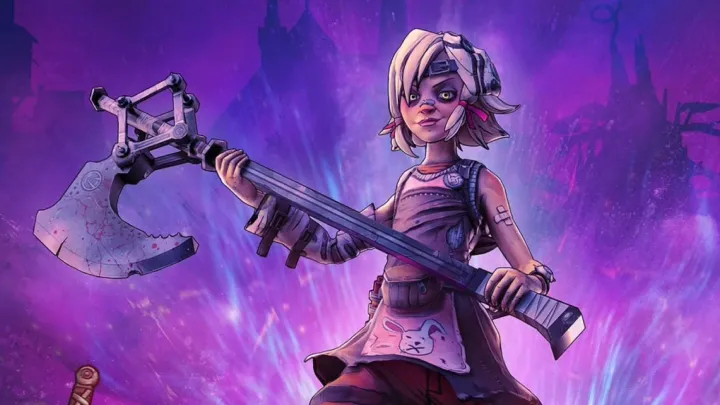
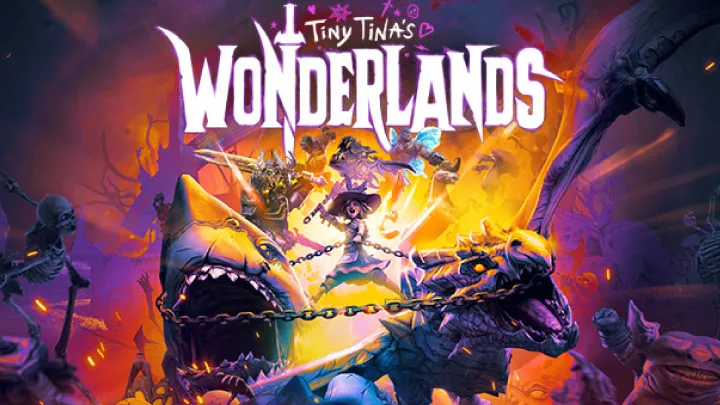
Tiny Tina's Wonderlands is a vibrant, chaotic blend of role-playing and first-person shooter mechanics, showcasing a whimsical fantasy world crafted by the irrepressible Tiny Tina. As a spin-off in the Borderlands franchise, it transports players away from the familiar chaos of Pandora, placing them into a Dungeons & Dragons-inspired landscape filled with offbeat characters, absurd humor, and an innovative narrative approach. Central to the game’s appeal is its storytelling, uniquely rendered through the imaginative lens of Tiny Tina’s tabletop role-playing game. This article will delve into the intricacies of narrative structure, explore the themes of improvisation and creativity, and examine the significance of character development within Tiny Tina's Wonderlands. Through this exploration, we will unravel how the game’s storytelling dynamics transform what could have been a standard fantasy adventure into a richly layered experience.
Setting the Stage: The Fantasy World
Introduction to Wonderlands
The game’s world is a colorful amalgamation of fantasy tropes, replete with vibrant environments, quirky inhabitants, and fantastical beasts. From enchanted forests to treacherous dungeons, Tiny Tina creates a diverse landscape that serves as the backdrop for her wildly imaginative narrative. This unique setting allows for a fresh take on the Borderlands formula, presenting an idyllic playground for exploration and combat.
The Customization of Fantasy
One of the key aspects of Tiny Tina's Wonderlands is the degree to which players can customize their experience. The fantasy game within the game mirrors the style of traditional tabletop role-playing games, where players can create their own characters and choose classes. This customization invites players to engage deeply with their avatars, fostering a stronger connection to the story.
The Storyteller: Tiny Tina
An Eccentric Narrator
Tiny Tina acts as the dungeon master, guiding players through her intricate imagination. Her larger-than-life personality injects a chaotic energy into the narrative, mixing absurdity and humor with deeper themes. This role as a storyteller affords her the flexibility to craft unique scenarios that challenge conventional storytelling structures in video games.
The Power of Improvisation
Tina's improvisational skills shine through the game as she interacts with players and adjusts the adventure according to their choices. This dynamic nature of storytelling allows situations to evolve organically, creating unexpected twists and turns that maintain player engagement. As the narrative progresses, players witness Tina's emotional depth, revealing her as more than just a quirky character but a multifaceted individual facing her own struggles.
Narrative Structure and Player Agency
A Nonlinear Approach
Unlike traditional linear storylines, Tiny Tina's Wonderlands adopts a nonlinear narrative structure that enables players to explore various paths based on their choices. This structure enhances the game’s replayability, as players can experience different scenarios and outcomes with each new playthrough.
Player Decisions and Consequences
The game places significant emphasis on player agency, allowing decisions to shape the narrative's direction. For instance, during quests, players face choices that can impact character dynamics and story arcs. This aspect not only personalizes the experience but also highlights the weight of decisions, reinforcing the idea that every choice matters in the grand tapestry of the storyline.
Quests: A Blend of Humor and Narrative Depth
Engaging Quest Lines
Tiny Tina's Wonderlands features a variety of quests that blend humor with narrative depth. Side quests often offer whimsical challenges that reflect Tina's humorous perspective while also allowing players to unravel additional lore. For example, quests to help characters or explore fantastical locales often culminate in unexpected twists, showcasing the game’s commitment to playful storytelling.
Satirical Commentary on Gaming Tropes
Many quests serve as satirical takes on video game and fantasy tropes, poking fun at common clichés while simultaneously inviting players to engage with them. For instance, convoluted fetch quests are subverted through Tina’s commentary, providing self-aware humor that resonates with gamers familiar with these narrative conventions. This approach prompts players to reflect on the absurdity of video game quests in a lighthearted yet meaningful manner.
Character Development and Relationships
The Ensemble Cast
A critical aspect of Tiny Tina's Wonderlands is the diverse cast of characters that accompany players on their journey. Characters such as Valentine, a knight with a cynical outlook, and Frette, a robot companion, each add unique dynamics to the narrative. Their relationships with Tiny Tina and one another create opportunities for emotional exploration and growth throughout the game.
Personal Backstories
Each character is imbued with backstories that contribute to the overall narrative experience. As players engage with these characters, they unlock personal quests that offer glimpses into their struggles and desires. These quests often serve as a means for players to build relationships, reinforcing the notion that character development is crucial to a rich storytelling experience.
Themes of Friendship and Collaboration
The Importance of Bonds
The game emphasizes friendship as a powerful theme, showcasing how bonds between characters sweeten the experience and allow for collective growth. Players witness fleeting moments of camaraderie and support, whether through shared quests or emotional conversations, that reflect the significance of working together to overcome challenges.
Navigating Conflict
Despite the comedic atmosphere, Tiny Tina's Wonderlands also presents moments of conflict that test the friendships among characters. These conflicts often arise from misunderstandings or contrasting personalities, forcing players to navigate the intricacies of collaboration and empathy. The resolution of these tensions contributes to the overall theme of unity, encouraging players to consider the importance of communication in relationships.
The Role of Imagination
Embracing Creativity
Imagination is a driving force in Tiny Tina's Wonderlands, representing infinite possibilities and potential. The freedom to create characters and explore whimsical environments reinforces the notion that creativity shapes the player's experience. Tina's role as a storyteller allows her to tap into her imaginative prowess, demonstrating how storytelling can transcend boundaries and evoke wonder.
Storytelling as a Collaborative Act
The game showcases how imagination functions as a collaborative act between Tiny Tina and the players. Through their interactions, players contribute to the unfolding narrative, emphasizing the collective nature of storytelling in tabletop role-playing games. This collaboration fosters a sense of ownership over the narrative, creating a dynamic experience that encompasses both personal and shared creativity.
Humor and Satire: A Delicate Balance
The Balance of Comedy and Emotion
Tiny Tina's Wonderlands masterfully walks the tightrope between humor and emotional resonance. The game employs a comedic approach to tackle serious themes, making them approachable without diminishing their significance. Tiny Tina’s antics and humorous dialogue provide comedic relief while ensuring that the narrative maintains emotional depth.
Addressing Serious Themes
Through humor, the game addresses weighty subjects like identity, loss, and the struggles of adulthood. While cloaked in whimsy, players are led to reflect on their own failures and aspirations, allowing them to connect personally with characters navigating similar challenges. The balance of comedy and emotional resonance reveals how humor can serve as a lens through which deeper truths are explored.
Confronting the Past: Tiny Tina’s Journey
Processing Trauma
Tiny Tina’s development throughout the game serves as a poignant exploration of trauma and healing. As the overarching narrative unfolds, glimpses into her past shed light on the challenges she has faced. This exploration places her character in a broader context, elevating her from a mere whimsical figure to a deeply relatable protagonist.
The Journey to Acceptance
Tiny Tina’s journey toward acceptance and understanding forms a crucial narrative thread. As players witness her growth, they are invited to reflect on their own experiences of overcoming adversity and loss. The narrative reinforces the idea that acceptance and healing are ongoing processes, with moments of vulnerability accompanying the journey toward self-discovery.
Conclusion
Tiny Tina's Wonderlands stands as a remarkable celebration of storytelling, imagination, and character development within the realm of video games. Through its vibrant narrative filled with humor and depth, the game invites players to navigate the complexities of friendship, creativity, and personal growth. Tiny Tina's role as a storyteller and catalyst for exploration showcases how gameplay can transcend mere entertainment, serving as a medium for therapeutic reflection and emotional understanding. Ultimately, the game encourages players to embrace their imagination, confront their pasts, and foster connections—elements that create a rich tapestry of experience. Tiny Tina's Wonderlands not only entertains but also leaves an indelible mark, challenging players to explore the boundless possibilities of creativity and narrative in gaming.