




Introduction
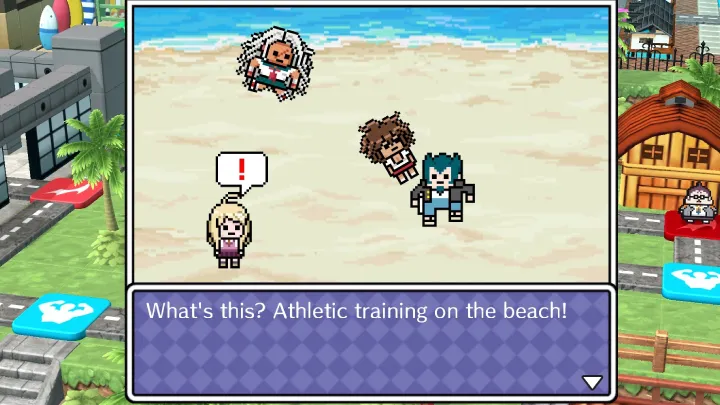
Danganronpa S: Ultimate Summer Camp acts as a unique spin-off to the renowned Danganronpa franchise, blending elements of visual novels and social simulation with the series’ signature murder mystery mechanics. Set against the backdrop of a summer camp, the game combines familiar characters from previous installments and introduces innovative gameplay elements, including a board game format and relationship-building mechanics. Amidst the cheerful atmosphere, themes of friendship, betrayal, and the thin line between camaraderie and conflict dominate the narrative. This article will explore how Danganronpa S navigates the complexities of relationships, focusing particularly on friendship and betrayal as two sides of the same coin. Through character interactions, gameplay systems, and narrative choices, we will uncover how the game reflects the idea that trust can be both a source of strength and vulnerability.
A New Setting: The Summer Camp
Transition from Previous Installments
Danganronpa S: Ultimate Summer Camp marks a departure from the traditional high-stakes murder mystery scenarios characteristic of earlier games in the series. Instead of life-or-death situations, players find themselves in a seemingly lighthearted summer camp experience—a contrast that provides a fresh perspective on character dynamics. The shift in setting allows the game to explore interpersonal relationships and interactions without the constant threat of death looming over every choice.
The Camp as a Microcosm
The summer camp serves as a microcosm for the broader themes of friendship and betrayal central to the narrative. Within this confined space, characters' personalities interact and collide, allowing players to witness the complexity of relationships unfold. The camp's setting facilitates character development, enabling players to explore the nuances of trust, loyalty, and betrayal in a way that may not have been possible in previous story arcs dominated by survival themes.
Character Dynamics: Reuniting Old Faces
The Return of Familiar Characters
Danganronpa S reunites fans with beloved characters from previous games, such as Makoto Naegi, Kyoko Kirigiri, and Monokuma. This nostalgic appeal provides players with the opportunity to re-examine established relationships within a new context. The characters’ interactions reflect their growth and development since their last appearances, while also reinforcing the bonds formed through shared experiences.
New Relationships and Tensions
As the game progresses, players witness the formation of new relationships and the rekindling of old ones, igniting potential tensions that can lead to betrayals. The dynamic between characters such as Himiko Yumeno and Kaito Momota illustrates how strong friendships can emerge within an environment built on fun and competition, but with the underlying potential for conflict.
The Gameplay Mechanics of Bonding
Building Trust through Gameplay
At the core of Danganronpa S is a unique gameplay system that emphasizes relationship-building. Players engage in activities and mini-games, such as board game mechanics, events, and character interactions—these choices directly contribute to developing friendships and alliances. As players build trust with their chosen characters, they gain valuable insights into their personalities, strengths, and vulnerabilities.
Risk Versus Reward
However, the gameplay mechanics also introduce an element of risk. Players must navigate the complexities of these relationships carefully. Trust-building can yield significant rewards, such as unlocking special character insights and abilities. Conversely, players must also contend with the prospect of betrayal. Missteps can fracture relationships, leading to potential conflicts that may arise later in the story.
Themes of Friendship
The Strength of Camaraderie
Friendship is a central theme in Danganronpa S, portrayed as both a source of strength and a potential vulnerability. The game emphasizes the importance of camaraderie, encouraging players to cultivate connections with their chosen characters. The power of friendship provides characters with emotional support and resilience against external pressures, enabling them to face challenges collectively.
Moments of Connection
Throughout the narrative, key moments of connection reinforce the value of friendship. Whether it’s through shared victories in camp activities or emotional conversations during pivotal story moments, players witness the bonds forged among characters. These connections deepen players' empathy towards them, enriching the narrative experience and making potential betrayals carry a heightened emotional weight.
The Fragility of Trust
Seeds of Doubt
While friendship flourishes in Danganronpa S, the game also cultivates an atmosphere of suspicion. Trust is fragile, and the possibility of betrayal lingers beneath the surface. Characters’ insecurities and past experiences create a fertile ground for tension to blossom. Players are constantly reminded that even the strongest bonds can be compromised, encouraging them to evaluate the motives of those around them.
The Unraveling of Relationships
As players delve deeper into character interactions, they may encounter moments that threaten the relationships they’ve worked to build. Characters may exhibit jealousy, hidden agendas, or conflicting aspirations, leading to potential betrayals. These twists add layers of complexity, forcing players to confront the uncomfortable reality that friendships can erode under pressure.
Betrayal: The Dark Side of Relationships
The Mechanisms of Betrayal
Betrayal manifests in various forms throughout Danganronpa S. Players must carefully navigate choices that can lead to trust being broken. Some characters might exploit their relationships for personal gain, while others may fall victim to misunderstandings or jealousy. As these betrayals unfold, the emotional stakes rise, creating intense moments that leave players questioning their alliances.
Consequences of Betrayal
When betrayal occurs, it reverberates throughout the narrative. The game illustrates the immediate emotional fallout, with characters grappling with feelings of hurt, anger, and confusion. Trust, once broken, becomes difficult to rebuild, creating a cycle of doubts and insecurities that complicate relationships moving forward. Players become acutely aware of the repercussions of their choices, urging them to consider the long-term impact of their decisions.
The Impact of Betrayal on Characters
Character Development Through Conflict
Betrayal acts as a catalyst for character development within Danganronpa S. The characters’ responses to conflict reveal their true natures, prompting growth through adversity. Some may rise above personal biases and seek to mend ties, while others succumb to bitterness and resentment.
Complexity of Relationships
The aftermath of betrayal forces players and characters alike to reevaluate their relationships. Allies can become enemies, and those who seemed trustworthy may reveal hidden agendas. The resulting complexities add a rich layer to the narrative, showcasing the conflict between personal feelings and the desire for unity.
The Role of Player Agency
Choices that Matter
Danganronpa S places significant emphasis on player agency, allowing choices to shape not only the gameplay experience but also the narrative direction. Players must navigate the delicate balance between building friendships and avoiding pitfalls that may lead to betrayal. Each decision influences character dynamics, adding layers of complexity to the unfolding story.
Consequences and Endings
The game features multiple endings based on players’ relationships and choices. These endings underscore the importance of trust and the ramifications of betrayal. Players may discover that their relational dynamics can drastically alter the outcome of the story, providing immense replay value while simultaneously driving home the message about the fragility of trust.
Conclusion
Danganronpa S: Ultimate Summer Camp adeptly navigates the intricacies of friendship and betrayal, crafting a narrative that emphasizes the duality of human relationships. Set against a unique summer camp backdrop, the game allows players to build connections while also grappling with the underlying tensions that can lead to fractures in those relationships. Through engaging gameplay, character interactions, and a richly woven narrative, Danganronpa S reveals the complexities of trust, the emotional fallout of betrayal, and the profound weight of personal choices. Players are reminded that alliances may shift unexpectedly and that navigating the emotional landscape of friendship requires care and introspection. Ultimately, Danganronpa S not only entertains but offers insightful commentary on the nature of human connections, urging players to consider the delicate balance between solidarity and betrayal in their pursuit of unity.