







Guilty as Sock is a quirky, fast-paced puzzle–stealth hybrid where players slip into the role of a mischievous sock navigating a world full of hazards, suspicious humans, and complex escape routes. While the game looks cute on the surface, it has layers of mechanics that reward clever planning, route optimization, and perfect timing. This guide focuses on a specific topic that drastically improves performance: How to master movement, stealth patterns, and environmental manipulation for flawless escapes.
Whether you're stuck in a tough room, constantly getting spotted, or struggling to optimize your runs, the strategies below will help you step up your gameplay significantly.
Understanding Sock Movement Physics

The movement system in Guilty as Sock is intentionally slippery. Every step has momentum, which affects how you handle tight corners and narrow platforms. Learning how to use this momentum rather than fight against it is your first step toward mastery.
Start by practicing micro-adjustments. Instead of holding directional input, tap lightly to reposition. This helps in tight areas where precision matters. You should also learn how to “feather” your turns—slowly easing into a direction instead of snapping suddenly, which increases accuracy in stealth segments.
Momentum is also connected to slope speed. Downward slopes give speed boosts, while upward slopes slow you down. Use this to time your runs between patrols, save stamina, and reach hiding spots more efficiently.
Stealth Patterns and Timing Windows
Stealth is the heart of Guilty as Sock. Humans have predictable but varied patrol routes, and reading the timing windows between their movements is essential.
Each human type has different detection ranges:
- Parents detect movement faster but turn slowly
- Kids have a wide peripheral vision
- Pets react to sound and rapid movement
The key to stealth mastery is studying their patterns for at least one full cycle before acting. Don’t rush. Watch how long they pause, where they turn, and whether their routes overlap with others. Once you understand this rhythm, you can slip through micromoments that seem impossible.
Also, listen carefully for audio cues—footsteps, yawns, or pet growls—which signal an upcoming change in their behavior.
Using Shadows and Hidden Spots
The game hides a surprising number of shadow regions where your sock becomes nearly invisible. These areas are placed strategically near choke points, especially in levels where timing windows are tight.
Practice identifying:
- Under-bed shadows
- Behind-box shadows
- Furniture leg shadows
- Curtain-dimmed zones
- Laundry pile shadows
Use these to rest, plan your next movement, or wait for patrol resets. Some shadows even allow you to reposition without detection as long as you stay low or move slowly.
Environmental Traps and How to Use Them to Your Advantage

The environment is full of interactable objects that can be traps—or tools depending how you use them. For example:
- Jumping on loose papers creates noise
- Crawling over squeaky toys distracts kids or pets
- Hitting a broom can cause a chain reaction that blocks a path temporarily
Instead of avoiding these hazards, smart players weaponize them. Trigger a noise in one corner of the room to lure patrols away from your actual escape path. Push objects into doorways to delay patrol rotation. Some items can even be stacked or nudged to create shadow barriers.
Environmental manipulation becomes crucial in later levels where escape windows are extremely tight.
Route Optimization for Faster Level Clears
Speed and efficiency come from route memorization and refinement. Every level has at least one optimal path—usually involving shortcuts, shadow zones, and distraction setups.
For effective route planning:
- Map out all hiding spots
- Identify the longest patrol downtime
- Note items that can trigger diversions
- Avoid backtracking unless necessary
- Use slopes and ramps for speed bursts
Run the level slowly first to understand the layout. Then gradually increase your pace once you understand where every danger is.
Mastering Sprint Management
Sprint is limited and should never be wasted. Many new players blow all their stamina early, only to fail later where they need it most.
The best way to manage sprint:
- Only sprint during patrol gaps
- Never sprint into blind corners
- Save stamina for crossing open areas
- Walk when in shadows to stay undetected
- Use momentum instead of sprinting on slopes
High-level players sprint only two or three times per level, but each burst is planned strategically.
Understanding Human AI Aggro Behavior

Humans in Guilty as Sock don’t simply chase you—they escalate based on what they detect. If they see something strange, a suspicion bar fills slowly. If they see direct movement or hear noise, the bar fills instantly.
Suspicion states:
- Calm
- Curious (mild investigation begins)
- Alert (accelerated patrol + faster detection)
- Aggro (active chase)
You want to avoid entering Curious state whenever possible, because even mild suspicion shifts patrol timings and ruins your route planning.
If you accidentally cause suspicion:
- Hide immediately in a deep shadow
- Create noise elsewhere to redirect attention
- Move behind barriers or vertical surfaces
Suspicion resets slowly, so avoid interacting with objects during this period.
Puzzle-Based Levels and Object Manipulation
Some levels introduce puzzle elements where you must move objects, activate triggers, or navigate through timed mechanisms.
Puzzle tips:
- Push objects slowly to avoid noise
- Use diagonal pushing for faster repositioning
- Exploit physics to slide objects into place
- Time puzzle actions with patrol resets
If a puzzle seems too difficult, break it down visually:
- Identify the goal
- Mark required object movements
- Remove unnecessary actions
- Test each segment separately
Mastering puzzle logic saves massive amounts of time.
Late-Game Hazards and How to Survive Them
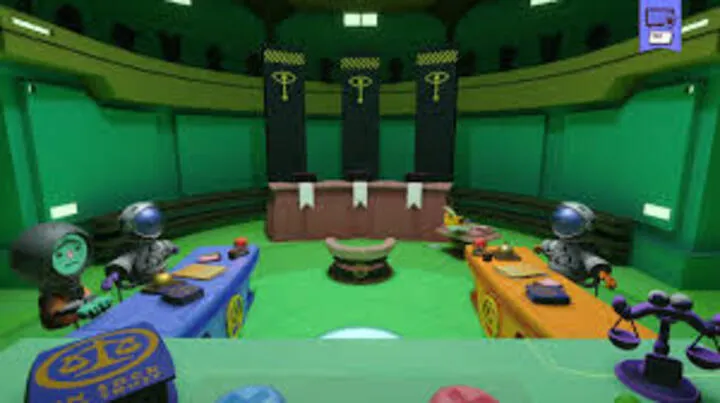
Late-game levels introduce environment-wide complications:
- Overlapping patrols
- Very loud objects
- Narrow shadow lines
- High-cost mistakes
To survive:
- Move only when absolutely necessary
- Prioritize vertical movement options
- Trigger distractions further away from your path
- Avoid touching ANY loose objects
- Memorize patrol overlap zones
These levels are designed to punish impatience. Move with purpose, not speed.
Mental Mapping and Reaction Training
Success in Guilty as Sock relies on mental mapping—keeping an internal layout of the room, patrol routes, shadow spots, and hazards. Practice pausing regularly to imagine your next three moves before making them.
Reaction speed also matters. Some situations demand instant decisions, especially when a human suddenly changes direction or a pet enters alert mode.
Train by:
- Replaying older levels at higher speed
- Practicing movement prediction
- Watching human patterns without moving
With enough practice, your instinctive routing becomes extremely consistent.
Conclusion
Guilty as Sock rewards players who think like a stealth strategist. By mastering movement physics, learning patrol rhythms, using shadows intelligently, manipulating the environment, and planning optimized routes, you can escape even the most difficult rooms with style and efficiency. Each victory becomes smoother as you grow comfortable with timing, momentum, and misdirection. The more you refine your stealth instincts, the more the game opens up its deeper strategies.