




Introduction
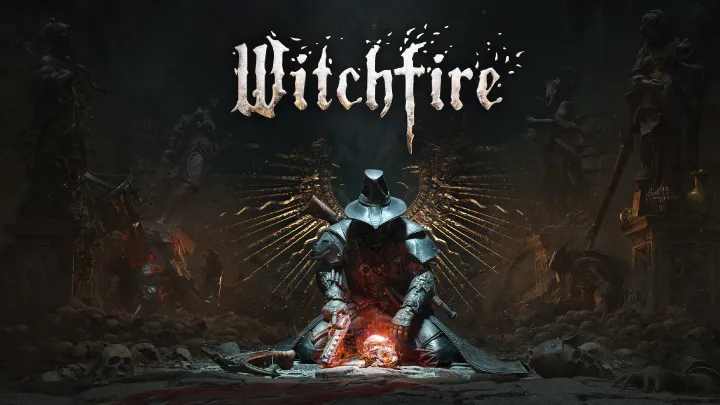
As an immersive blend of first-person shooter and role-playing elements, Witchfire has captured the attention of gamers worldwide. The game, developed by The Astronauts, is heavily influenced by dark fantasy aesthetics and offers a rich lore intertwined with gameplay mechanics. However, one of the most intriguing yet polarizing aspects of the game is its difficulty balancing. This article aims to explore the challenges players face with game difficulty in Witchfire, including its impact on player engagement, the learning curve, and potential solutions for better balancing.
The Allure of Difficulty in Gaming
Difficulty is a significant element in gaming, often tied directly to the overall experience and satisfaction derived from overcoming challenges.
The Role of Difficulty in Gameplay
Difficulty serves multiple purposes in gaming. It can enhance tension, develop player skills, and enrich the narrative experience. In Witchfire, players encounter various enemies and complex mechanics that require them to adapt and evolve. The game's design philosophy emphasizes a punishing yet rewarding experience, aiming to resonate with seasoned players while attracting newcomers.
Attracting Different Types of Players
The challenge presented in Witchfire naturally segments players. Casual gamers may feel overwhelmed, while hardcore enthusiasts savor the thrill of mastery. This dichotomy of player experiences highlights a crucial aspect of game design: how to attract a diverse audience without alienating any specific group. The challenge lies in balancing extensive game mechanics while ensuring accessibility.
The Learning Curve: A Double-Edged Sword
Learning curves are integral to any gaming experience, particularly in titles laden with complex mechanics like Witchfire.
Steep Learning Curve
Witchfire presents players with a steep learning curve characterized by intricate mechanics, an array of spells, and sophisticated enemy behaviors. This ruling complexity can lead to frustration, especially among beginners who may not fully appreciate strategic play. The challenge is amplified by the permadeath feature, which adds its own layer of difficulty and pressure, requiring players to start over after failing.
Player Adaptation and Experience
However, this steep learning curve can be a double-edged sword. Once players adapt, they often experience a profound sense of accomplishment. The rewarding nature of overcoming difficult challenges can drive a deep bond between the player and the game. Developers must tread carefully in designing these systems to ensure that difficulty does not become a detachment point.
Enemies as Catalysts for Difficulty
The enemies players face in Witchfire are meticulously designed to challenge various skill levels, but this can lead to asymmetrical experiences.
The Variety of Enemies
Enemies in Witchfire vary widely in behavior, strengths, and weaknesses. From agile foes that demand precise aim to bulky adversaries requiring strategic planning, players must shift tactics fluidly. This variety adds layers to gameplay, but achieving the right balance makes or breaks the experience.
Encounter Design Challenges
The design of enemy encounters can inadvertently skew the game's difficulty. Some players might find specific enemies disproportionately harder than others, disrupting the sense of fair challenge. Enemy AI plays a vital role in creating enjoyable encounters, where predictability can prevent predictable death loops while still rewarding the players who learn and adapt.
Weapons and Upgrades: A Path to Mastery
Weapons and upgrades in Witchfire are central aspects that not only determine combat effectiveness but also influence overall game difficulty.
The Arsenal Variety
The arsenal in Witchfire includes a range of firearms and magical abilities, each tailored for specific combat scenarios. This diverse selection allows players to customize their playstyle, impacting both difficulty and engagement. However, the challenge comes from how these options are presented to the player.
Balancing Weapon Power and Player Skill
Balancing damage output and enemy health is crucial. If players rely on overpowered weapons, they may find the game loses tension and challenge. Conversely, underwhelming options can lead to frustration and deter players from progressing further. A meaningful balance must be maintained to ensure players feel empowered while still facing formidable adversaries.
The Role of Environment and Level Design
The environments in Witchfire are crafted to augment the experience, yet they also present challenges regarding difficulty.
Level Design’s Influence on Gameplay
Level design in Witchfire offers players opportunities for exploration and tactical advantage. However, densely packed areas can lead to unintended difficulty spikes, particularly in engagements with multiple enemies. Developers must consider the interplay between environment and player strategy meticulously.
Opportunities for Improvement
Potential improvements in level design could alleviate some of the challenges players face. Incorporating clearer lines of sight or cover points could enable players to adopt varied tactical approaches, creating a feeling of control as they navigate formidable opponents.
Feedback Loops: Player Engagement and Improvement
Feedback loops play a crucial role in how difficulty impacts player experience within Witchfire.
Real-time Feedback Mechanisms
Real-time feedback, such as audio cues and visuals, can significantly enhance player learning and adaptation. As players engage with the game, immediate feedback not only helps them understand their actions but also adds to their sense of immersion.
The Emotional Rollercoaster
Positive feedback loops can heighten satisfaction, while negative ones may lead to frustration. Understanding how to maintain a balance of both can keep players engaged and eager to improve, thereby smoothing out the difficulty spikes that can disengage more casual players.
Community Insights and Player Feedback
Engaging with the community can provide valuable insights into how difficulty impacts player experiences in Witchfire.
Listening to Player Concerns
Players often take to forums and social media to express their experiences, frustrations, and triumphs. This sharing of insights can inform developers of potential misalignments in the game's difficulty. By engaging with a player base, the developers of Witchfire can identify common pain points and adjust mechanics for a more inclusive experience.
Building a Better Game Together
Community-driven patches and updates can lead to significant improvements in game balance. Player feedback can guide the development team in fine-tuning difficulty, enhancing satisfaction across various skill levels.
The Future of Difficulty in Witchfire
As Witchfire continues to evolve, the future of difficulty balancing remains a hot topic among players and developers alike.
Adaptation and Changes
Dealers of game difficulty must adapt to players' evolving expectations. As gaming becomes a more inclusive realm, balancing difficulty in a way that caters to both casual and hardcore players must remain a priority.
Innovations and Trends
Innovations in game design, such as adaptive difficulty settings that respond to player performance, hold promise for Witchfire. These could allow presets for varying difficulty levels, offering players the freedom to tailor their experience without compromising the game's core challenges.
Conclusion: Striking the Balance
The balancing act of difficulty in Witchfire is a multifaceted challenge that demands constant attention and refinement. As developers grapple with the fine line between challenge and frustration, they must embrace community insights and player feedback. Difficulty, when properly calibrated, can elevate the gaming experience, fostering engagement and satisfaction. Future updates and expansions will serve as litmus tests for how well Witchfire adapts to its growing player base. Striking the right balance is essential, not just for the title’s immediate success, but for its lasting legacy in gaming.
In summary, Witchfire challenges players with varying difficulty levels that can alienate or engage—careful balancing promises a richer experience.