
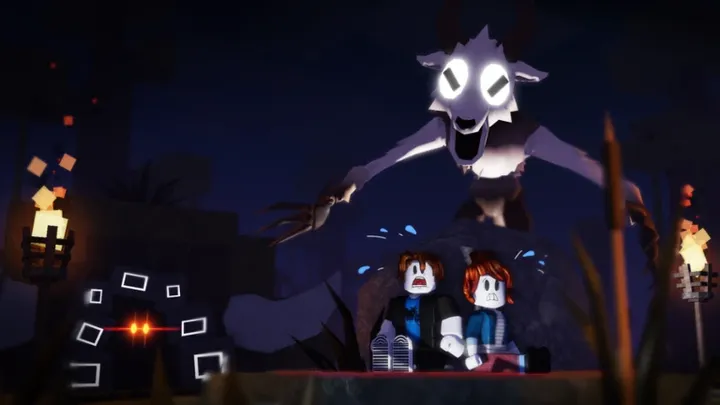



DON’T SCREAM TOGETHER appears at first glance to be a simple concept: don’t scream, don’t shout, don’t make loud noises—survive together. But under this simplicity lies a volatile, fascinating, and often frustrating design issue: the cooperative microphone-penalty system doesn’t just measure fear, it measures human unpredictability.
In a horror environment where enemies react to sound and failure can be triggered by teammates’ involuntary noises, the real challenge becomes not just the monsters in the dark hallways, but the emotional stability of the people you’re playing with. This article explores, step by step, how the game’s sound-based penalty system transforms teamwork into a psychological minefield filled with blame, miscommunication, social pressure, and chaotic unpredictability.
1. The Beginning: Calm Voices, High Expectations
At the start of a session, silence feels manageable. Players adjust microphones, test whispers, and joke about staying quiet. The idea seems simple enough—after all, who can’t just avoid screaming? But players underestimate how instinctive vocal reactions are under sudden fear.
DON’T SCREAM TOGETHER immediately creates a unique social contract. Unlike traditional co-op games where failure results from gameplay mistakes, here failure can result from something subconscious: a gasp, a curse, a reflexive yelp. This establishes tension before the horror even begins.
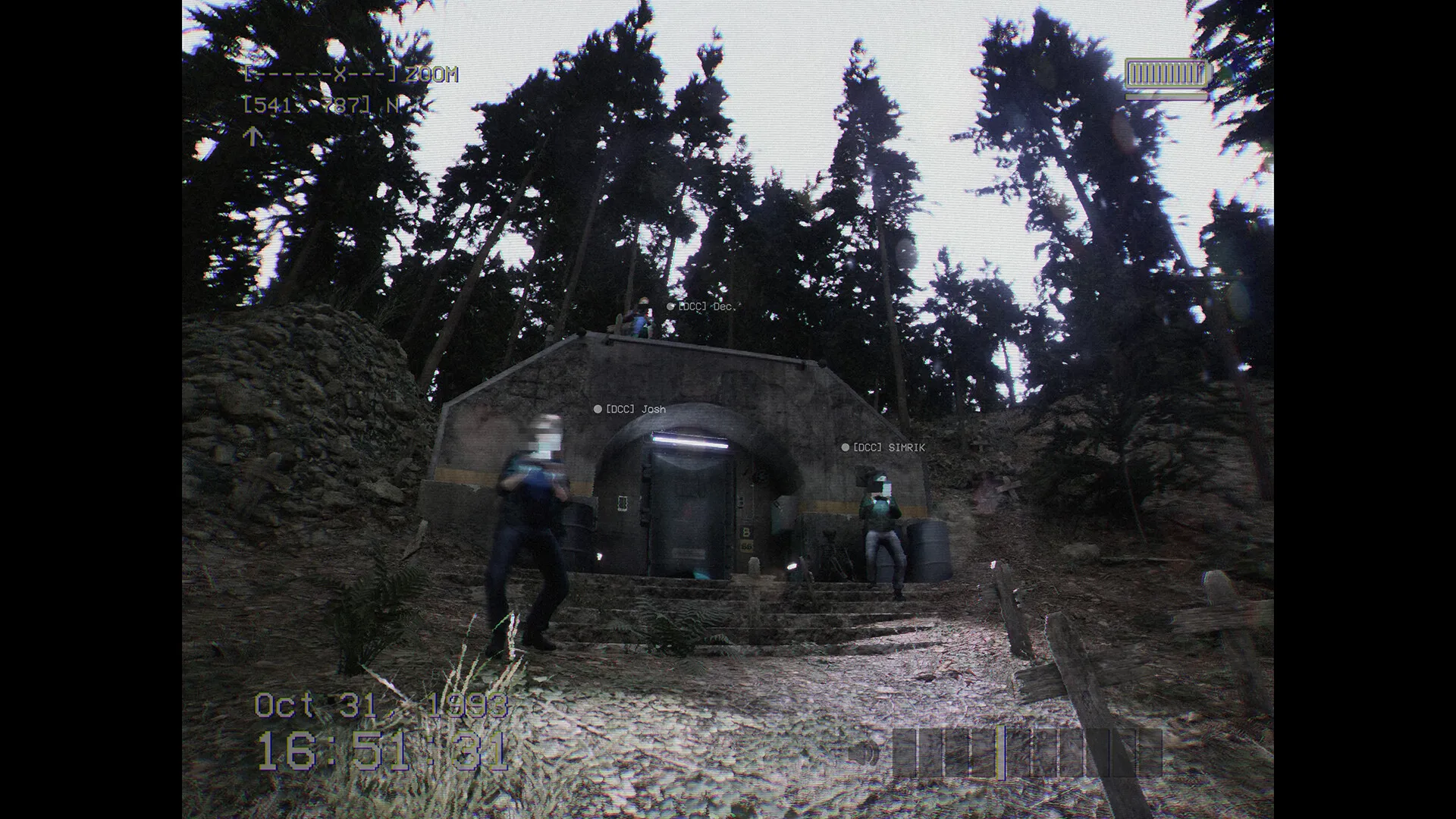
2. When the First Noise Happens: The Social Shift
The first accidental scream—often caused by a small jumpscare or a player startling at a teammate—marks the turning point. The group’s tone changes. Suddenly, everyone realizes how fragile their run is.
People begin speaking less. Movements become careful. Trust becomes uncertain. The player who screamed is now under pressure not to do it again, creating self-consciousness that affects gameplay. This marks the start of what players call “co-op paranoia.”
H3: The Emergence of Micro-Anxiety
Minor sounds like coughs or surprised breaths begin to feel dangerous. Even clearing throats becomes strategic.
H4: Early Consequences
- The group grows hyper-aware of each other’s behavior
- Vocal restraint becomes an emotional burden
- The atmosphere shifts from playful to stressful
3. Mid-Game Chaos: When Fear Meets Human Unpredictability
As the game’s intensity increases, players naturally begin reacting more strongly to scares. This is where the cooperative sabotage issue truly reveals itself.
One player screams unexpectedly, triggering noise-sensitive monsters. The others panic, causing a chain reaction—shouting, laughing, more screaming. The group’s run collapses not because of enemies, but because of each other. This is both the game’s charm and its problem.
The issue lies not in difficulty, but in unpredictability. Unlike enemy AI or level layout, human panic cannot be reliably planned for, making strategic play nearly impossible in high-stress moments.
4. Adaptive Silence: Teams Start To Change How They Communicate
H3: Whisper Protocol
Players begin whispering constantly. Even mid-combat or while navigating puzzles, voices drop to a barely audible hum. This whispering becomes habitual—not because of game mechanics, but due to psychological conditioning created by the penalty system.
H4: Silent Signals
Teams adopt silent communication strategies:
- flashlight flicking
- crouch-spam codes
- intentional footsteps
- in-game item throwing
These silent languages emerge organically but highlight the design issue: the game does not support alternative communication well. Players compensate for missing tools by inventing their own, often inefficient systems.
5. Social Pressure Becomes a Mechanical Force
Once several runs have been ruined by screaming, emotional dynamics shift dramatically.
The “noise-prone” teammate becomes the group’s liability, even if unintentionally. Others may become irritated or anxious around them. Blame circulates. The quiet players feel superior; the louder players feel scrutinized. The cooperative penalty system becomes a social hierarchy generator.
H3: The Emotional Layer of Gameplay
Co-op games usually strengthen bonds, but DON’T SCREAM TOGETHER risks straining them.
Suddenly, the success of the entire team rests on controlling involuntary human behaviors.
H4: Negative Social Effects
- anger
- shame
- nervous laughter
- group pressure
- avoidance of responsibility
This emotional storm becomes more challenging than navigating the levels themselves.
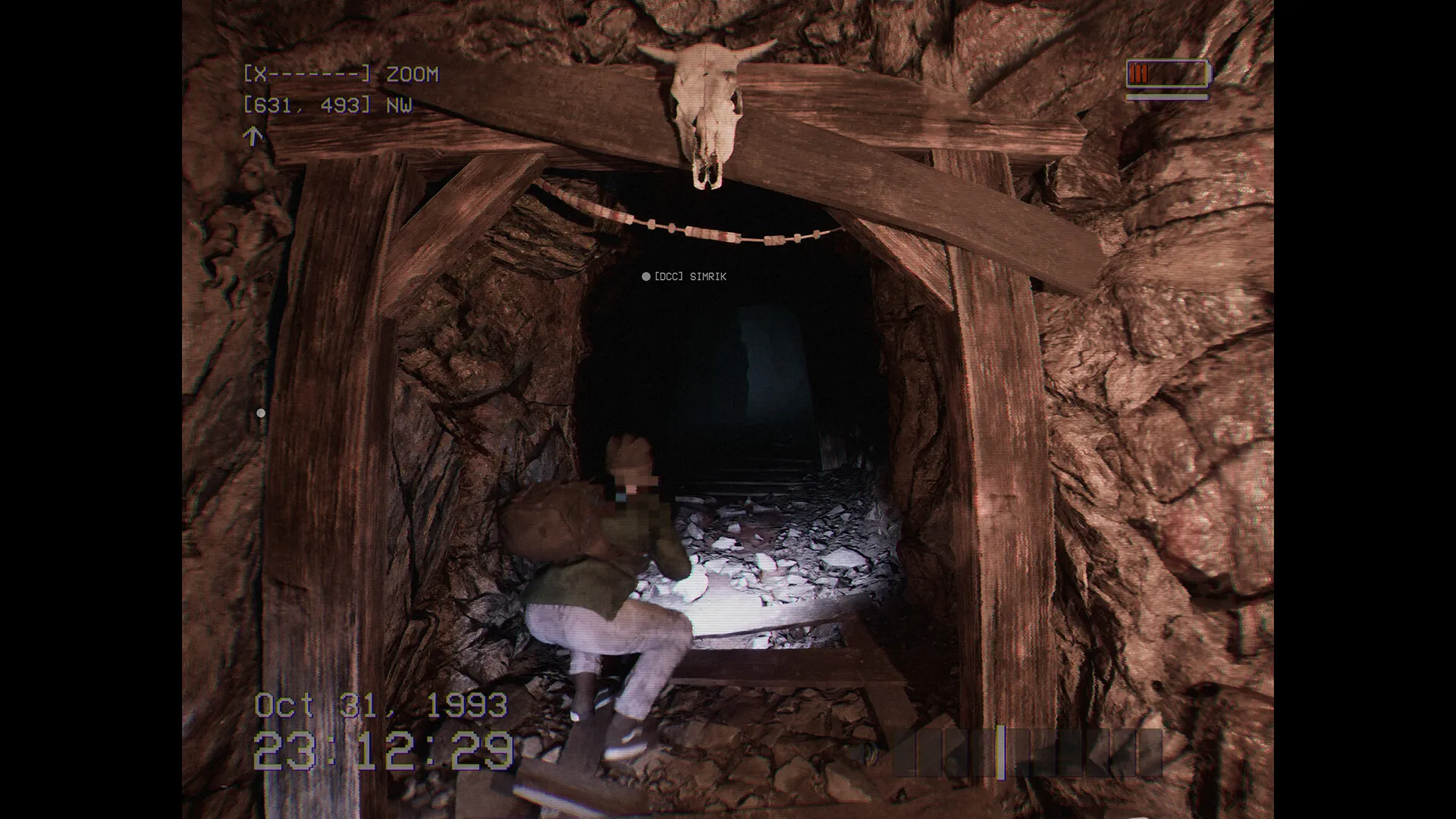
6. The Difficulty Spike Created by Human Emotion
Mid-to-late game levels increase environmental tension. But the real difficulty spike comes from the players' psychological states.
As stress rises:
- players scream more easily
- accidental noises increase
- panic cascades through the group
- fear responses override strategy
Here lies the core issue: the game unintentionally punishes emotional immersion. The more scared players become—the more they scream—the more likely they are to fail. The system punishes the very reactions the horror genre aims to evoke.
7. When Laughter Becomes the Enemy
One of the most fascinating aspects of DON’T SCREAM TOGETHER is that laughter is just as deadly as screaming. Nervous giggles, hysterical laughter after a scare, or mocking a teammate’s reaction can all trigger catastrophic noise levels.
H3: The Spiral
Fear leads to screaming.
Screaming leads to laughter.
Laughter leads to more screaming.
This feedback loop completely derails the gameplay.
H4: Why This Is a Unique Problem
Most horror co-op games reward bonding moments. DON’T SCREAM TOGETHER weaponizes them.
This creates a bizarre paradox: the more fun the group has, the faster they lose.
8. Late Game: Silence Becomes Oppressive
By the final levels, players feel emotionally drained. They speak rarely, only when necessary. Communication becomes stiff and cautious.
H3: The Psychological Breakdown
Silence becomes not just a mechanic, but a mood. It permeates the group, making the game feel heavier, darker, and more suffocating. The fear shifts from monsters to failure caused by teammates.
H4: Group Instability
At this stage, even stable groups begin breaking patterns:
- players hesitate before taking actions
- communication delays create tactical problems
- overthinking replaces instinct
The cooperative instability reaches its peak—silence is no longer a strategy but a burden.
9. Team Dynamics vs. Enemy Behavior
The game’s monsters are designed around sound-reactivity. But enemy patterns are predictable compared to human coworkers.
H3: Humans Are the Real Threat
Players cannot predict:
- who will panic
- who will scream
- who will accidentally drop a microphone
- whose real-life pet will bark
- whose chair will creak too loud
This unpredictability makes teammates more dangerous than in-game enemies. This dynamic becomes unintentionally comedic but also frustrating for serious players.
H4: Structural Issue
The game does not distinguish between accidental environmental noises and genuine screams. Everything is treated as failure. This lack of nuance amplifies cooperative instability, turning even harmless events into threats.
10. Could the Silent System Be Smarter?
H3: Potential Fixes or Improvements
The system could preserve tension while reducing frustration with solutions like:
- scream detection instead of volume detection
- ambient noise filtering
- weighted penalties depending on context
- shared stamina meter for noise
- grace periods after jumpscares
These adjustments could make cooperation less volatile without sacrificing the game’s core concept.
H4: Why the System Matters
The silence mechanic is what makes DON’T SCREAM TOGETHER unique.
But without nuance, it becomes a blunt instrument—one that punishes fear, friendship, and unpredictability instead of elevating them.
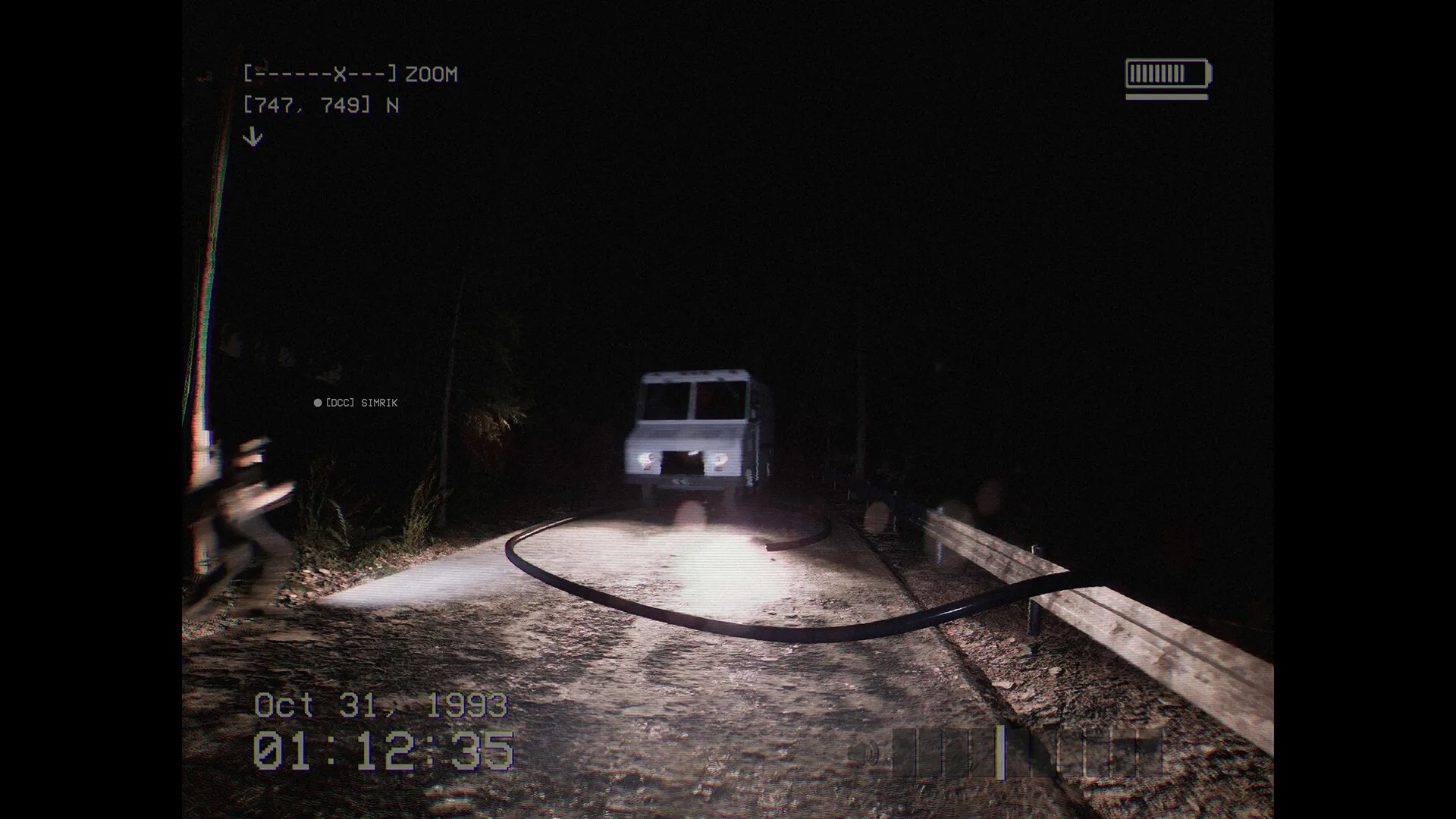
DON’T SCREAM TOGETHER is a novel experiment in psychological co-op horror. Its microphone-based penalty system forces players into a vulnerable, fragile environment where not only monsters but teammates threaten survival. This creates an emotional and social instability rarely seen in multiplayer games.
However, the same system that defines the game also generates tension between players, punishes natural emotional reactions, and creates unpredictable difficulty spikes based on uncontrollable human behavior.
By understanding the cooperative instability problem in depth, we can appreciate both the brilliance and the flaws in DON’T SCREAM TOGETHER’s daring design. It is a game where fear shapes teamwork, silence shapes relationships, and human unpredictability becomes the scariest monster of all.