






Red Dead Redemption 2 (RDR2) is widely considered one of the greatest open-world games ever made, offering deep realism, dynamic storytelling, and countless hidden mechanics that new players often overlook. Whether you're playing for the first time or returning for a completionist run, this complete guide will help you master combat, exploration, horse management, money making, hunting, honor choices, and the late-game systems that define the world of Arthur Morgan.
This long-form guide is written with clear structure, modern SEO practices, keyword-rich phrasing, and easy navigation—making it perfect for players searching for “Red Dead Redemption 2 tips,” “RDR2 beginner guide,” “RDR2 advanced strategies,” and “how to survive in RDR2.”
1. Mastering the Core Gameplay Systems
Understanding RDR2’s core gameplay systems is essential for long-term success. Your Health, Stamina, and Dead Eye work differently compared to most open-world games, and their cores determine everything from combat performance to travel efficiency. The fuller your cores, the faster your rings regenerate.
Maintaining cores through sleep, eating, and tonics makes exploration far smoother. Many new players ignore core levels only to discover that their Stamina drains too quickly or Dead Eye refills extremely slowly.
To extend Arthur’s durability, regularly cook meals, rest at camp, and avoid excessive injuries. This ensures that you always enter battles or long rides at full strength.
How to Maintain Cores Efficiently
Keeping cores high prevents unexpected weakness in combat. Good food, such as cooked venison or big game meat, offers long-lasting buffs. Sleeping 8 hours restores cores instantly. Tonics are valuable but best saved for emergencies or intense missions.
2. Combat Tips: Surviving Every Gunfight
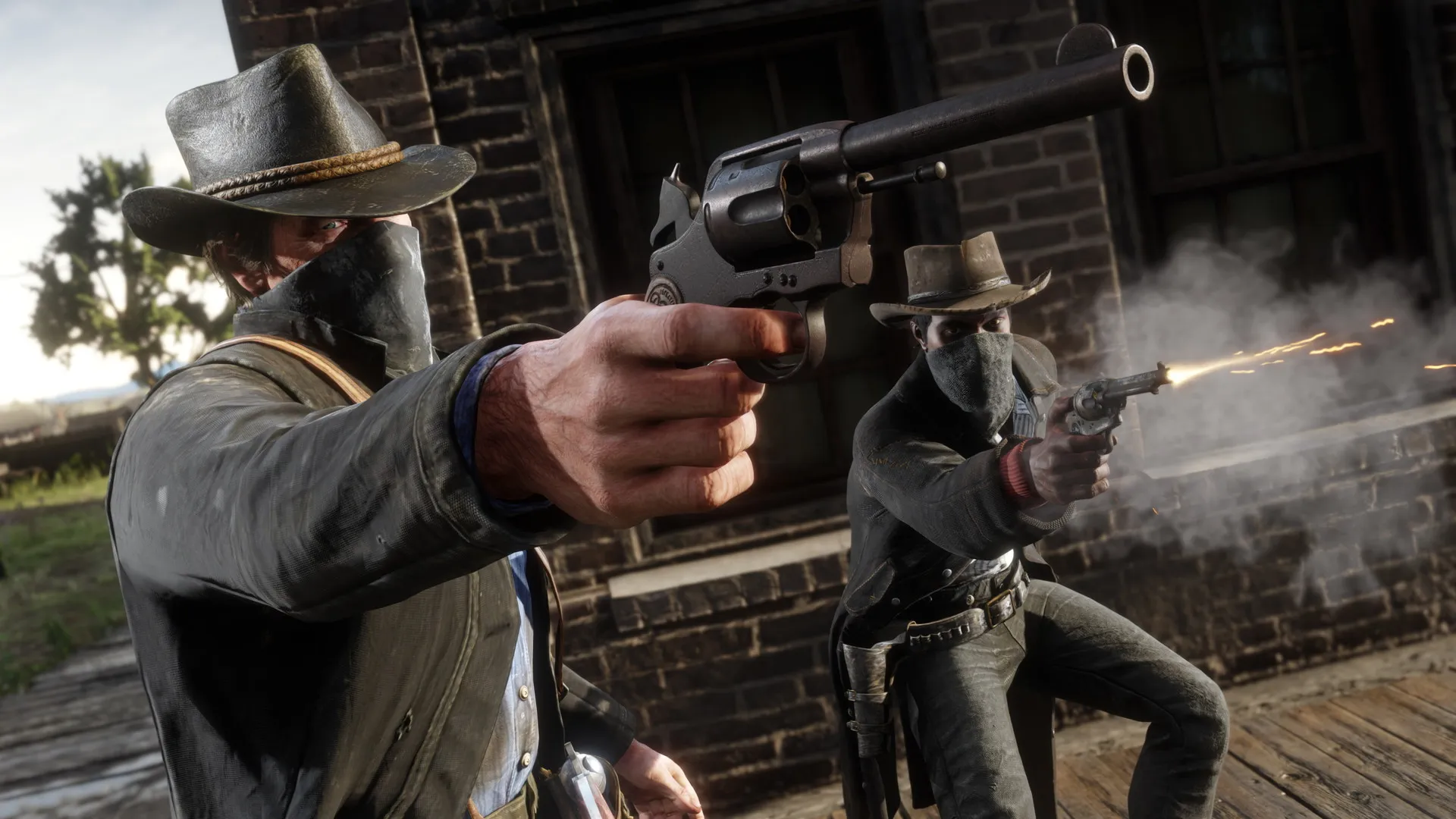
Combat in RDR2 relies heavily on realism. Bullets hit hard, enemies flank intelligently, and Arthur is not a superhero. Because of this, survival requires careful positioning and mastery of Dead Eye.
Movement matters—staying behind cover dramatically increases your odds of staying alive. The game rewards patience and precision rather than rushing in headfirst.
Using Dead Eye to mark weak points, such as heads or limbs, helps you win gunfights quickly. Upgrading Dead Eye early allows you to slow time longer and highlight critical hits.
Smart Combat Strategies
• Stay behind cover whenever possible
• Use Dead Eye to eliminate priority targets
• Keep your weapons clean for maximum damage
• Upgrade your Dead Eye abilities early
• Carry multiple powerful weapons for versatility
3. Weapon Management & Best Loadouts
RDR2 offers a wide variety of weapons—revolvers, rifles, shotguns, repeaters—and each has a purpose. Mastering the right combination is key to every situation.
For beginners, using a repeater like the Lancaster and a powerful revolver such as the Schofield gives excellent balance between accuracy and firepower. Later in the game, the Bolt-Action Rifle becomes one of the most versatile weapons for hunting and combat.
Cleaning your weapons regularly increases damage and reload speed. Visiting gunsmiths to customize grips, barrels, and stocks also improves performance.
Recommended Loadouts
• Repeater + Revolver for general use
• Bolt-Action Rifle for long range
• Pump Shotgun for close-quarters combat
• Dual revolvers for cinematic gunfights
4. Horse Management & Bonding Guide
Your horse is your lifeline in Red Dead Redemption 2. Treating it well ensures faster travel, improved control, and better survival in dangerous situations. Many players underestimate how important horse bonding is.
Feeding your horse, brushing it, and avoiding collisions increase your bonding level. Higher bonding unlocks new moves like rearing, drifting, and better calming in stressful environments.
Choosing the right horse breed matters as well. Arabian horses are often considered the best due to their speed and handling, but workhorses provide more durability for heavy travel.
Horse Care Tips
• Always carry horse food (hay, apples, oatcakes)
• Brush your horse after long rides
• Avoid harsh terrain that drains stamina
• Keep horse revivers in your inventory
• Choose saddles and stirrups that boost stamina
5. Money-Making Strategies (Early, Mid, Late Game)
Money plays a crucial role in RDR2. While the game feels generous late in the story, early players often struggle to afford upgrades, ammunition, and camp improvements.
The best early-game method is hunting and selling perfect pelts. Later, robberies, treasure maps, and legendary animal parts become more profitable.
By the mid-game, you can earn significant cash from story missions, but smart players still invest time into treasure hunts. Some treasure lines can reward thousands of dollars in a single run.
Best Money-Making Activities
• Hunting perfect animals
• Robbing trains and stagecoaches
• Selling valuable jewelry
• Completing treasure hunts
• Looting gang hideouts
6. Advanced Hunting & Crafting Techniques
Hunting is one of the most essential mechanics in RDR2. It provides food, money, crafting materials, and camp resources. To master hunting, you must understand weapon choice, scent control, and animal behavior.
Using the right weapon for each animal preserves pelt quality. For example, small animals require the Varmint Rifle, while medium animals need repeaters. Large animals like bison require powerful rifles.
Additionally, using cover scent lotion prevents animals from detecting you easily, making them easier to track and kill. Studying animals before shooting improves your odds of achieving perfect kills.
Crafting Essentials
• Tonics for core boosts
• Improved ammo for tougher enemies
• Clothing for weather protection
• Satchels for larger inventory capacity
7. Reputation, Honor, and Story Impact
Honor is one of the deepest systems in RDR2, shaping not only Arthur Morgan’s character arc but also missions, dialogue, and even the ending. High honor grants store discounts, unique scenes, and emotional story beats. Low honor offers darker moments and different behaviors.
Your actions—helping strangers, sparing enemies, donating to camp—build positive honor. Robbing innocents, killing townsfolk, or acting cruelly lowers honor.
Maintaining high honor is recommended for players seeking the most satisfying story experience.
How Honor Changes Gameplay
• Stores offer better prices
• NPCs treat you differently
• Special cutscenes appear
• The story ending shifts dramatically
8. Exploration Tips for a Better Open-World Experience
Red Dead Redemption 2 rewards exploration more than almost any modern game. Hidden encounters, strangers, random events, secrets, and unique weapons wait across the massive map.
Taking your time to explore increases immersion and unlocks opportunities that many players miss. Visiting towns, saloons, and wilderness paths often reveals new storylines.
Pay attention to smoke trails, shouts, or unusual animal noises—these often indicate hidden encounters.
Exploration Checklist
• Visit every stable and gunsmith
• Explore side missions early
• Search abandoned huts for loot
• Track legendary animals
• Check newspapers for world events
9. Camp Upgrades & How to Use Resources Wisely
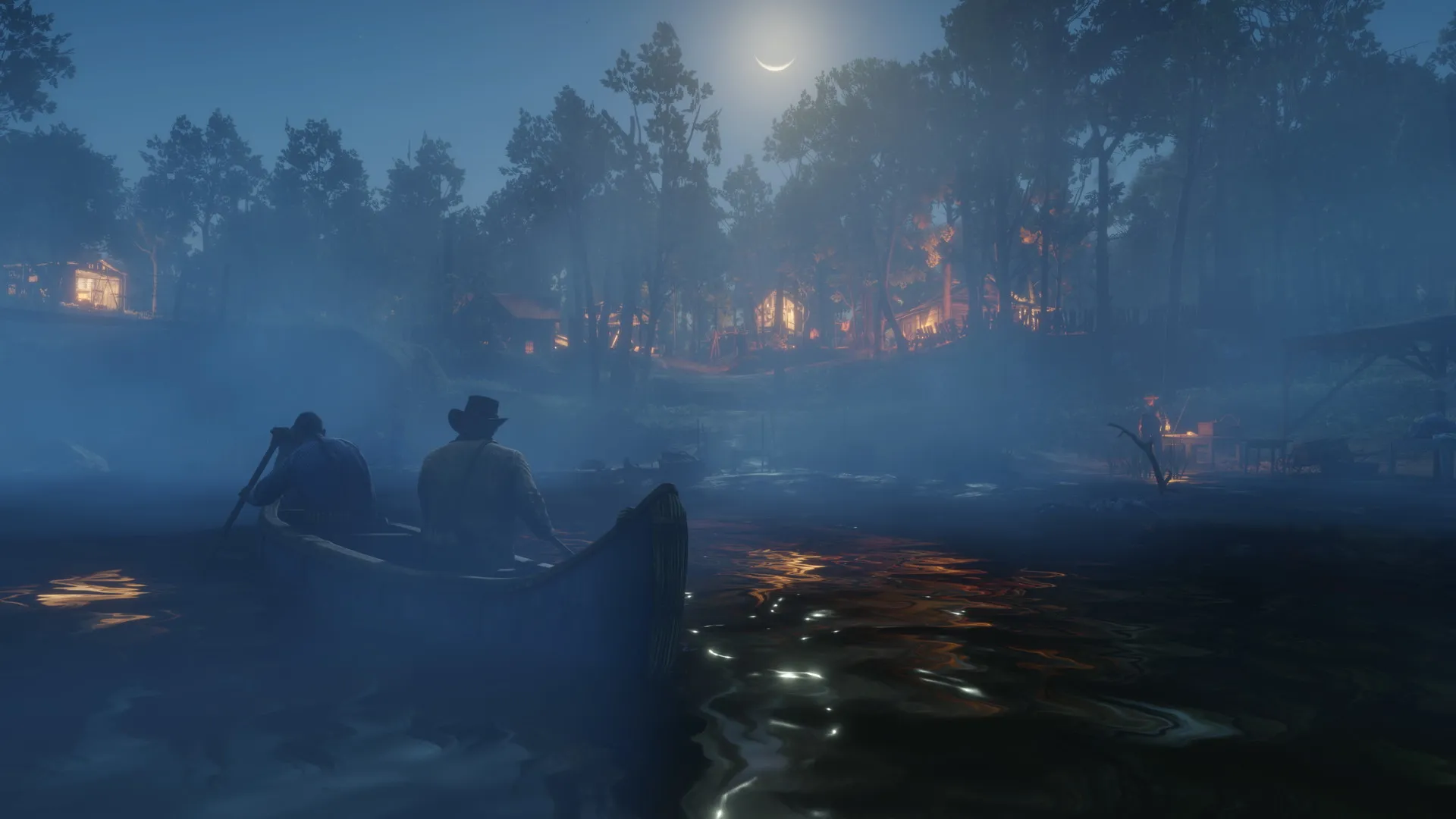
Your camp is the backbone of the Van der Linde gang. Upgrading it benefits Arthur by improving supplies, morale, and travel convenience. Many players ignore camp upgrades early on, but they provide long-term advantages.
Contribution is important. Donating money, pelts, and valuables allows you to unlock upgrades such as better medical supplies, improved ammo stock, and Dutch’s lodging.
Unlocking fast travel from Arthur’s lodging upgrade makes late-game exploration much easier.
Essential Camp Upgrades
• Arthur’s lodging (unlocks fast travel)
• Medical wagon upgrades
• Ammo & weapons wagon
• Food and stew pot upgrades
• Horse stable upgrades
10. Late-Game Tips, Challenges, and End-Game Progression
As RDR2 moves into the later chapters, difficulty increases, enemies become more dangerous, and your choices begin to shape Arthur’s fate. Preparing for this phase requires proper weapons, high honor, strong horse bonding, and enough money.
Completing challenges such as Sharpshooter or Herbalist unlocks special items and outfits. These also give players more replayability beyond the main story.
The epilogue introduces ranching, new weapons, and a different rhythm of life—so using late-game progression effectively keeps the experience fresh.
Final Late-Game Recommendations
• Keep Dead Eye fully upgraded
• Maintain high honor for the best ending
• Complete treasure hunts before Chapter 6
• Craft reinforced holsters to slow weapon degradation
• Prepare tonics before entering difficult battles
Red Dead Redemption 2 is an experience built on detail, realism, and player choice. Mastering its systems—combat, horse management, hunting, money, honor, and exploration—turns Arthur Morgan’s journey into a smoother, more rewarding adventure. With the tips and strategies in this guide, players can approach missions confidently, explore the world deeply, and experience the story in its most complete form.
Whether you seek progression, immersion, or a perfect honor run, these techniques will help you enjoy every moment of this masterpiece.