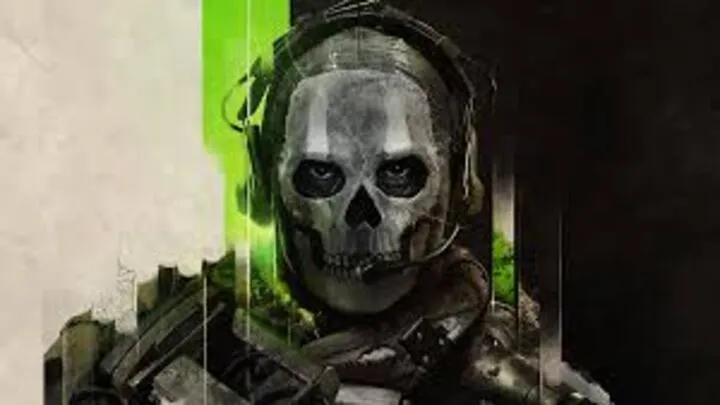
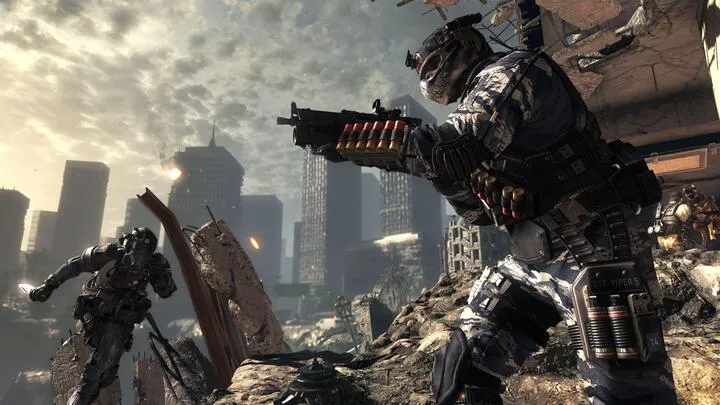
For more than two decades, Call of Duty has dominated the global video game market as one of the most recognizable and commercially successful first-person shooter franchises ever created. Its impact on gaming culture, cinematic storytelling, multiplayer design, and esports is profound, shaping how modern players perceive and engage with the FPS genre. What started in 2003 as a grounded World War II shooter steadily evolved into a vast entertainment ecosystem that includes annual releases, competitive leagues, mobile adaptations, and a free-to-play battle royale experience connecting millions of players worldwide.

This 5000-word analysis examines the entire lifespan of the franchise: its history, gameplay mechanics, technological innovations, narrative design, multiplayer systems, Warzone’s explosive rise, Zombies mode evolution, community culture, controversies, and future potential. It is designed as a comprehensive, feature-style article suitable for game journalism, academic research, or long-form gaming content.

1. The Birth and Early Development of a Shooter Giant

1.1 Origins in the WWII era

The earliest games were heavily inspired by real-world battles, focusing on authenticity and immersion. They differentiated themselves from other shooters of the time by emphasizing squad-based tactics and cinematic missions that mimicked the intensity of war films. Unlike arcade-style shooters, these titles grounded the player in boots-on-the-ground combat, where chaos, fear, and military cooperation played central roles.

This era introduced three core design philosophies that shaped the franchise long into the future:

Highly cinematic pacing – gameplay sequences that felt like scenes from a war movie.

Immersive first-person storytelling – missions driven by emotional narratives rather than generic objectives.

High production values – polished sound design, detailed environments, and intense action.

The success of these early titles established the franchise as a reliable benchmark for historical FPS games.

2. The Modern Warfare Revolution

No era transformed the series more radically than the modern combat era. This shift from WWII to contemporary warfare changed everything: tone, pacing, gameplay systems, multiplayer design, and narrative direction. It became a cultural moment that elevated the franchise to new heights of popularity.

2.1 Introduction of modern weapons and technology

Rifles, vehicles, drones, night-vision equipment, and advanced tactical gear allowed developers to craft encounters that felt urgent and relevant. The transition also enabled more complex geopolitical storytelling, exploring themes of terrorism, nuclear threats, covert operations, and global conflict.

2.2 Multiplayer redefined

A landmark innovation during this era was the transformation of multiplayer progression systems. Instead of static loadouts, players unlocked:

Perks

Weapon attachments

Killstreak rewards

Custom classes

Challenges and ranks

These additions revolutionized the incentive structure of online shooters. Players were now looped into a rewarding progression system that encouraged experimentation and long-term engagement.

2.3 Cinematic storytelling at a new level

The campaign style shifted toward emotional, character-driven storytelling with dramatic plot twists, memorable set pieces, and morally ambiguous scenarios. Character development grew deeper, with recurring heroes, villains, and shadow organizations spanning multiple titles.

This era effectively turned the series from a successful franchise into a global phenomenon.

3. Expansion into Espionage and Psychological Warfare

Following the success of modern military themes, new titles began to explore deeper, more complex political narratives. Instead of solely focusing on battlefield combat, these games incorporated elements of:

Cold War espionage

Psychological manipulation

Black-ops missions

Shadow government organizations

Alternate timelines and conspiracies

This storytelling style appealed to players who wanted intrigue and intellectual engagement rather than straightforward military action.

3.1 Branching storylines and moral choices

Some entries began offering:

Multiple endings

Player-driven decisions

Dialogue selections

Consequences that affected character relationships

This approach expanded the franchise beyond linear storytelling and added replayability to the campaign experience.

3.2 Evolution of mission structure

Levels became more varied and experimental, including stealth operations, undercover infiltration, large open-combat arenas, and interactive cinematic sequences that blended gameplay with dramatic narrative beats.

The franchise was no longer just an action shooter — it became a narrative-driven thriller.

4. The Futuristic and Jetpack Movement Era

As the FPS landscape broadened, the franchise ventured into advanced mobility, exosuits, space warfare, and high-tech weaponry. This period introduced some of the most experimental gameplay features in franchise history.

4.1 Advanced mobility systems

Players gained the ability to:

Boost jump

Wall-run

Slide with enhanced momentum

Utilize exoskeleton abilities

These changes drastically increased game speed, verticality, and skill expression. While polarizing, they pushed innovation and influenced other competitive shooters in the market.

4.2 High-tech weapons and environments

Laser rifles, energy-based equipment, futuristic drones, and zero-gravity missions introduced fresh gameplay styles. Even though this era sparked debates among fans, it showcased the franchise’s willingness to take risks.

4.3 Competitive impact

The competitive scene experienced both advantages and drawbacks:

Higher skill ceiling

Faster gameplay

More dynamic engagements

but also a divide between traditional fans and mobility-focused players

Despite the controversy, the futuristic era is remembered as one of the boldest creative periods.

5. Return to Realism and the Reboot Era

Eventually, the franchise transitioned back to grounded, realistic combat with a complete reboot of modern military themes. This era prioritized tactile gunplay, cinematic realism, and gritty presentation.

5.1 Photorealistic graphics and immersive sound

Advancements in technology allowed developers to use:

Photogrammetry

High-fidelity motion capture

Real-time lighting engines

Ultra-detailed soundscapes

Weapons felt weightier, animations smoother, and combat more immersive.

5.2 Tactical gameplay and darker narrative tones

Campaigns explored morally grey themes, urban warfare, hostage rescue missions, and complex geopolitical conflicts. The tone was more grounded, mature, and emotional, appealing to both new players and long-time fans.

5.3 Launch of the connected ecosystem

This era also introduced a unified progression system shared between multiple games, culminating in the creation of a new global platform for the franchise.

6. Warzone: The Battle Royale Transformation

Perhaps the most significant evolution in franchise history was the explosive birth of Warzone. Released as a free-to-play standalone experience, Warzone connected the entire player base—console, PC, and even mobile—into a single massive ecosystem. It brought millions of new players into the franchise who had never purchased a Call of Duty title before.

6.1 A massive free-to-play battlefield

Warzone differentiated itself from other battle royale games with several groundbreaking systems:

The Gulag: A unique 1v1 respawn mechanic allowing eliminated players a second chance.

Loadout Drops: Players could deploy their personalized multiplayer loadouts mid-match, creating a new strategy layer.

Armor Plate System: A simplified but highly effective armor mechanic that balanced firefights.

Contracts: Optional mission-style objectives (Bounty, Recon, Scavenger, Most Wanted) that rewarded cash, weapons, or intel.

These mechanics blended the fast-paced identity of the franchise with the survival-focused nature of battle royale, creating a hybrid formula that revolutionized the genre.

6.2 Map evolution and environmental storytelling

Warzone’s environments became a canvas for live events, seasonal changes, and cross-game narratives. Verdansk, the original map, evolved over time through environmental shifts, destruction events, underground bunkers, and narrative tie-ins. Later maps such as Caldera, Al Mazrah, Vondel, and Fortune’s Keep introduced new biome types, pacing structures, and combat flow patterns.

Warzone’s maps serve not just as battlegrounds but as storytelling tools, reflecting global conflicts, hidden operations, and evolving threats across multiple games.

6.3 Warzone’s cultural impact

Warzone attracted millions of streamers, content creators, esports hopefuls, and casual players who joined the battle royale wave. Its ability to unite the franchise into a single platform forever changed the series business model, pushing it deeper into live-service territory.

Warzone became a social space—where friends teamed up nightly, creators built careers, and major gaming moments went viral.

7. The Zombies Phenomenon

While campaigns and multiplayer remain core pillars, Zombies mode stands as one of the franchise’s most passionate communities.

7.1 Origins and identity

Zombies began as a hidden bonus mode but quickly grew into a full-scale gametype featuring:

Round-based survival

Complex Easter eggs

Elaborate lore with multiverse themes

Mystery boxes and randomized weapons

A cast of recurring characters with intertwining destinies

This mode blended survival horror, dark comedy, and science fiction into something uniquely addictive.

7.2 Gameplay systems

Key mechanics include:

Perk machines offering skill boosts

Pack-a-Punch to upgrade weapons

Traps, special rounds, and boss zombies

Buildables, wonder weapons, and rituals

Tight teamwork for high-round runs

Zombies rewards strategic planning, communication, and mastery of map layout.

7.3 Easter eggs and community culture

The Zombies community is known for its deep involvement. Each new map spawns:

Lore theories

Step-by-step Easter egg guides

Speedruns

Challenges and high-round competitions

Its fanbase keeps the mode alive far beyond initial release cycles.

8. Gameplay Mechanics: What Makes Call of Duty Feel Unique

Across all entries, the franchise maintains a precise formula that makes its gameplay instantly recognizable.

8.1 Fast, fluid movement

Movement is the heart of the experience. The franchise prioritizes:

Quick sprint-to-shoot responsiveness

Tight ADS (aim down sight) transitions

Slide, dive, and tactical sprint mechanics

Predictable but skill-based recoil

This creates a rhythm that feels smooth, aggressive, and empowering.

8.2 Weapon handling and Gunsmith systems

Players can modify nearly every aspect of a weapon:

Barrel

Muzzle

Optics

Rear grip

Magazine

Stock

Underbarrel

Each attachment affects recoil, ADS speed, bullet velocity, movement speed, and visual recoil. The Gunsmith system encourages players to create highly personalized weapons tailored to specific roles or playstyles.

8.3 Multiplayer progression systems

Progression hooks include:

Weapon leveling

Prestige and seasonal ranks

Challenges and mastery camos

Operators and cosmetic skins

Battle pass progression

These mechanics provide long-term goals that keep players returning.

8.4 Time-to-kill (TTK) and gunfight philosophy

Unlike many shooters, the franchise intentionally uses a low TTK, meaning gunfights resolve quickly. This ensures:

Fast pacing

Reward for accuracy

High clutch potential

Adrenaline-filled engagements

The TTK is central to the franchise’s identity.

9. Campaign Design and Cinematic Storytelling

9.1 Emotional, high-stakes narratives

Campaigns explore global crises, covert missions, espionage, political conflict, and the human cost of war. Many stories deliberately blur moral lines, presenting difficult choices and ambiguous consequences.

9.2 Set-piece moments

These campaigns are famous for unforgettable sequences such as:

Urban firefights in collapsing cities

Stealth infiltrations through enemy territory

Aerial assaults and convoy ambushes

Underwater sabotage operations

Night vision raids in near-total darkness

Each mission is designed like a blockbuster movie scene with dramatic pacing and polished choreography.

9.3 AI behavior and environmental design

Enemies use suppression fire, flanking routes, grenade pressure, and dynamic cover behavior. Meanwhile, environments are crafted to feel immersive with:

Reactive lighting

Dense soundscapes

Realistic destruction

Weather systems

The result is a campaign experience that feels both cinematic and grounded.

10. Multiplayer: The Competitive Core of the Franchise

10.1 Classic game modes

Multiplayer thrives thanks to iconic modes such as:

Team Deathmatch

Domination

Search & Destroy

Hardpoint

Kill Confirmed

Control

These modes emphasize teamwork, strategy, objective play, and mechanical skill.

10.2 Three-lane map philosophy

Most maps follow a “three-lane” structure:

Left lane

Right lane

Mid area

This layout ensures:

Balanced gameplay

Predictable engagement routes

High replay value

Fair competitive pacing

10.3 Skill expression and the competitive scene

Mechanics like slide canceling, movement tech, recoil control, map knowledge, and positioning elevate multiplayer into a high-skill arena. The competitive community thrives through ranked play, tournaments, and professional leagues.

11. The Esports Ecosystem and the Rise of the Call of Duty League

The professional scene fundamentally shaped the franchise’s long-term identity. Competitive tournaments began in the early 2010s, mainly fueled by community-driven LAN events. As the player base expanded, publishers recognized the potential for a highly structured esports league that could rival other global esports.

11.1 Formation of the Call of Duty League (CDL)

The Call of Duty League introduced a franchised model featuring city-based teams similar to traditional sports. Each team represents a region, creating hometown pride and rivalries. The CDL enforced standardized rules, official team branding, salary structures, and full-time coaching staff, elevating esports to a professional level comparable to major sports organizations.

11.2 Competitive Meta and Game Balance

The competitive scene often influences weapon balancing across public multiplayer and Warzone. Developers closely study CDL gameplay to understand weapon dominance, exploit loops, map imbalances, and pacing issues. This feedback loop strengthens the experience for all players, making the competitive scene a vital component of the franchise’s health.

11.3 Fanbase and cultural significance

CDL matches generate large online audiences, sell out arenas, and create unforgettable rivalries between iconic teams. The personalities within esports—captains, coaches, and rising stars—build narratives that deepen community engagement and emotional investment.

12. Technology, Engines, and Audio-Visual Evolution

One reason for Call of Duty’s longevity is its constant push for technical innovation.

12.1 Game engine transformations

Over the years, multiple iterations of the IW engine introduced improvements in:

Realistic lighting

Ray tracing support

Advanced animations

High-resolution textures

Real-time physics

Environmental destruction

The engine evolved to support larger player counts, more dynamic AI, and sprawling open-world environments for Warzone.

12.2 Audio excellence

Sound design is a defining trait of the franchise:

Bullet crack dynamics

Positional footsteps

Explosion shockwaves

Echo-model audio in buildings

Suppressed vs. unsuppressed weapon identities

The audio team’s commitment to realism enhances immersion, competitive awareness, and emotional impact.

12.3 Cinematic presentation

High-quality motion capture, lifelike character models, and detailed facial animation elevate characters from mere NPCs to believable human beings with emotional depth.

13. Controversies and Criticism

No long-running franchise avoids controversy. Despite its success, Call of Duty faces recurring criticisms.

13.1 Annual release fatigue

Some players argue that yearly releases reduce innovation and fragment the player base across multiple titles.

13.2 Skill-based matchmaking (SBMM)

A major debate centers on SBMM in multiplayer. Supporters say it provides fair matches for new or casual players; critics say it punishes skilled players and reduces the fun, casual experience that once defined the franchise.

13.3 Microtransactions and monetization

Battle passes, cosmetic bundles, and store packs sparked discussions about aggressive monetization. Some fans feel cosmetics have become too expensive or intrusive.

13.4 Real-world political sensitivity

Certain storylines, depictions of conflict, and nation portrayals have drawn criticism. Developers now navigate these themes carefully to avoid political backlash.

14. Call of Duty Mobile and Global Expansion

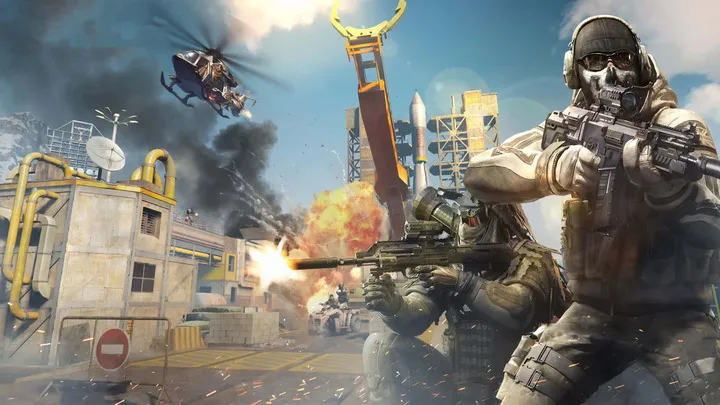
The mobile version expanded the franchise into one of the world’s largest gaming markets.

14.1 Accessibility and free-to-play appeal

With millions of active players, Call of Duty Mobile provides:

Traditional multiplayer

Battle royale

Ranked play

Events and seasonal content

Its lightweight requirements allow players from all regions to enjoy the franchise.

14.2 Cross-cultural appeal

Mobile gaming is more culturally diverse, with players from Asia, South America, the Middle East, and Africa forming a massive portion of the user base. This helps the franchise reach new demographics and maintain global relevance.

15. Crossovers, Partnerships, and Pop Culture Impact

The franchise integrates with broader entertainment culture through collaborations with:

Film franchises

Musicians

Celebrities

TV series

Fashion brands

Internet personalities

Operators, skins, and themed events help keep the ecosystem culturally fresh and connected to global trends.

16. The Future of Call of Duty

16.1 Unified ecosystem across platforms

The franchise continues toward a single, unified progression system linking:

Mobile

Console

PC

Warzone

Annual releases

This allows players to maintain progress, operators, camos, and weapon blueprints across experiences.

16.2 Evolving live-service support

Seasonal content ensures constant updates, including:

New maps

New modes

Narrative chapters

Operators and skins

Weapon balancing

This model extends player engagement far beyond launch day.

16.3 AI-driven enhancements

Future titles may leverage advanced AI for:

Adaptive enemy encounters

Dynamic mission design

Smarter AI teammates

Procedurally influenced events

This will push the franchise toward more immersive storytelling and deeper gameplay complexity.

17. Call of Duty’s Long-Term Legacy

17.1 Financial and cultural dominance

The franchise remains one of the highest-grossing entertainment properties of all time, surpassing major film franchises and global music sales.

17.2 Influence on the FPS genre

Many modern shooters—both AAA and indie—adopt mechanics that Call of Duty popularized:

Fast ADS gunfights

Killstreaks

Class customization

Seasonal progression systems

Cinematic campaigns

Battle pass monetization

Its imprint on gaming is undeniable.

17.3 Community-driven longevity

The franchise continues to thrive because of its enormous community:

Casual players

Hardcore veterans

Competitive players

Zombies enthusiasts

Content creators

Streamers

Esports organizations

Their passion keeps the series alive.

Call of Duty stands as one of the most influential and enduring entertainment franchises ever created. Its evolution—from grounded WWII battles to futuristic warfare, from tightly scripted campaigns to massive open-world battle royale experiences—demonstrates unparalleled adaptability and cultural relevance. Beyond gameplay, it has shaped esports, content creation, gaming culture, and global entertainment trends.

Its success is not rooted in a single feature but in a combination of innovative mechanics, emotional storytelling, high production value, refined gunplay, and strategic evolution. Even with controversies and challenges, the franchise continues to reinvent itself while maintaining the fast, fluid experience players love.

As technology evolves and gaming demographics continue to shift, the franchise is poised to expand even further—potentially blending new genres, AI-driven design, cross-platform ecosystems, and increasingly ambitious narrative worlds. What remains certain is that Call of Duty will continue to shape the FPS genre and remain a dominant force in the global gaming landscape for years to come.