

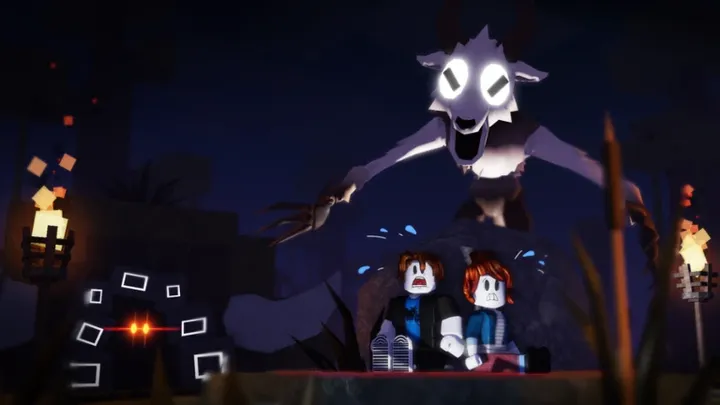



“Don’t Scream Together” is a unique cooperative horror game built around one brutal rule: you must not scream. The game listens to your microphone in real time and reacts to any sudden noise spikes—whether it’s a yell, gasp, loud exhale, or even a panicked whisper. If your voice goes above a certain threshold, your team pays the price.
This guide teaches you exactly how to stay calm, how to communicate, how to control your reactions, and how to work as a coordinated unit to survive. By the end, you will know how to master silence, manage jumpscare reflexes, and keep your team from falling apart in moments of fear.
1. Understanding How “Don’t Scream Together” Works
Before learning strategies, it’s essential to understand how the game measures your voice. It constantly monitors your microphone and detects sudden volume changes or high-frequency reactions. Even a tiny gasp can be registered as a scream.
Your mic becomes your greatest threat—or your strongest tool. If you know exactly how the game listens and responds, you can control your reactions better and keep your team safe.
Key Mechanics:
- Real-time voice detection
- Sudden scares meant to trigger reflex reactions
- Team penalties if one player screams
- Environments designed to increase emotional tension
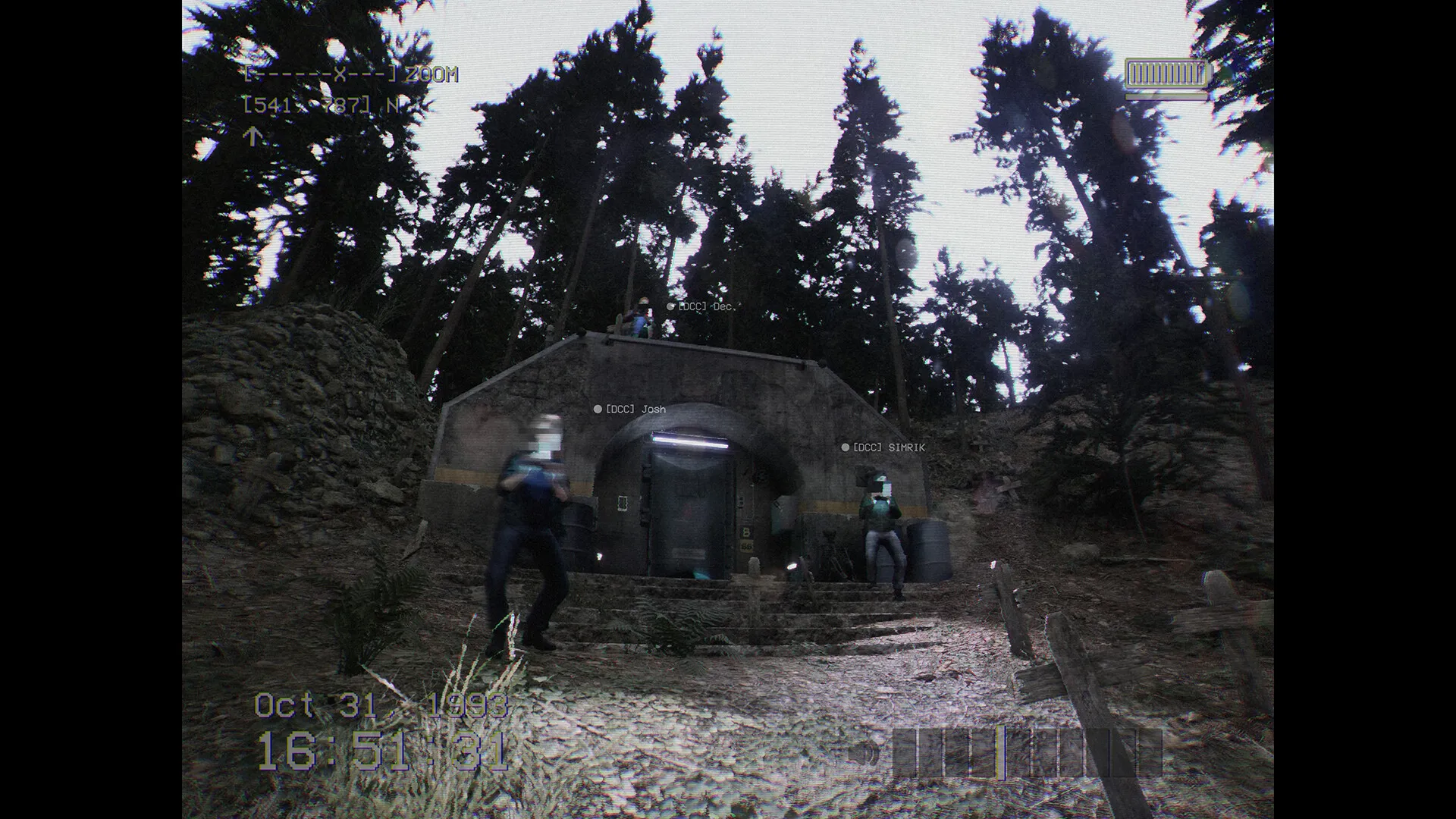
2. How to Prepare Your Setup Before Playing
Technical preparation is crucial. A noisy room, an overly sensitive microphone, or headphones that leak sound can ruin your run.
Start by playing in a quiet environment. Use headphones—never speakers—because external sound can be picked up by your mic. Adjust sensitivity so the game detects your normal voice but not small breaths.
Setup Checklist:
- Quiet room
- Noise-cancelling headphones
- Balanced mic sensitivity
- No push-to-talk (the game requires open mic)
3. How to Control Your Breathing During Scares
Controlled breathing is the foundation of mastering this game. When players panic, they inhale sharply or exhale loudly—both of which can be detected as screams.
You need to develop breathing discipline. Slow, long breaths keep your heart rate stable and reduce the urge to vocalize fear. Practicing outside the game helps build this skill.
Try This Technique:
- Inhale through your nose for 4 seconds
- Hold for 2 seconds
- Exhale for 6 seconds through your mouth
4. How to Communicate Without Triggering the System
Communication is important, but whisper-yelling or talking loudly can fail the mission. Communication in this game must be soft, calm, and intentional.
Teams should agree on short codes for urgent situations. The less you speak, the less chance you have of triggering the system.
Sample Silent Communication System:
- “Shadow” = Enemy approaching
- “Freeze” = Stop moving
- “Blue” = Regroup
- “Left turn” = Rotate left
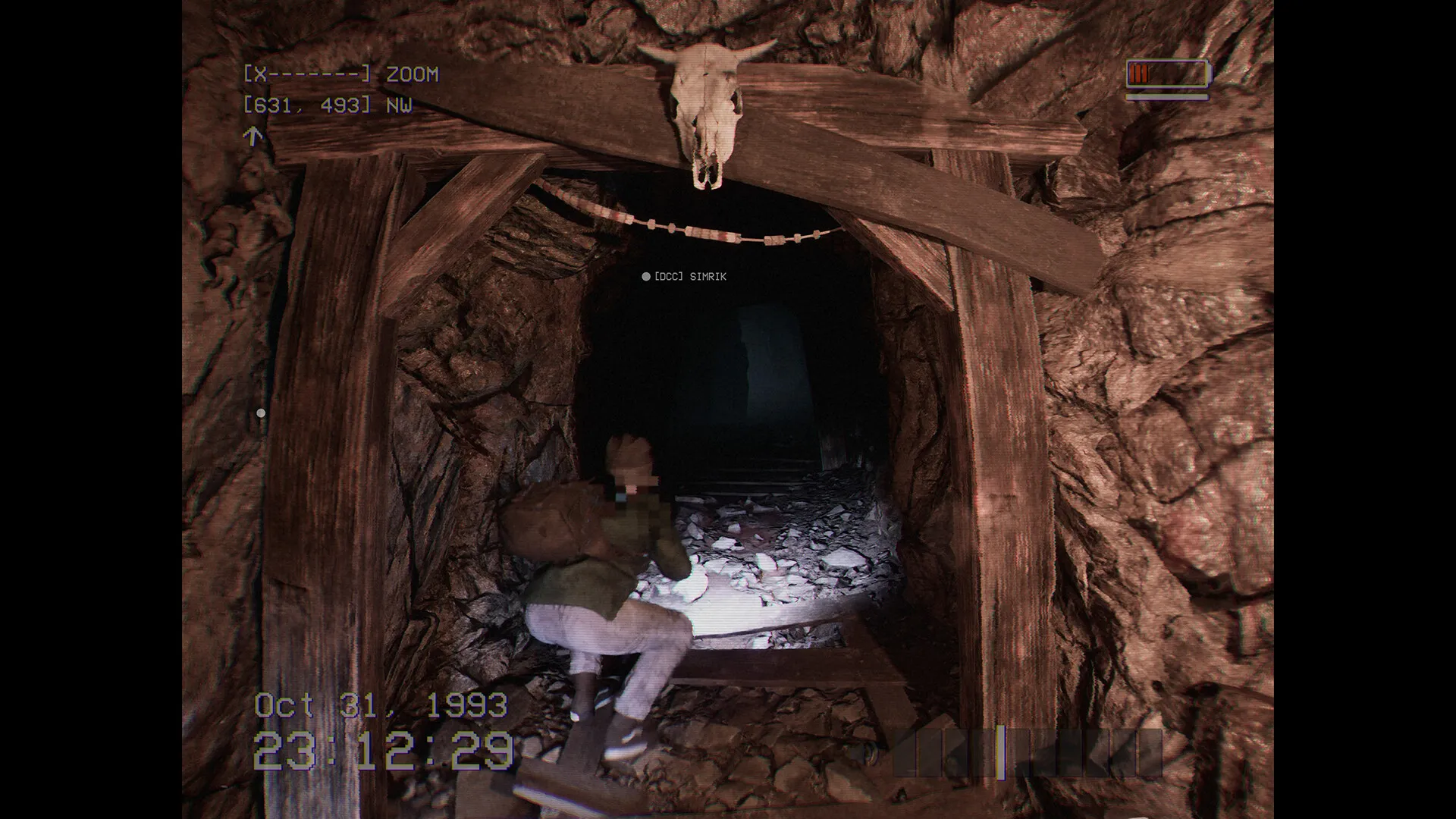
5. How to Navigate Environments Without Panicking
The game’s maps are intentionally unclear, dark, and unsettling—designed to make you panic. To survive, you must move deliberately instead of rushing.
Assign roles before entering an area: a leader, a rear guard, and side watchers. When everyone knows their job, tension drops dramatically and panic reactions become less frequent.
Movement Tips:
- Never sprint blindly
- Use quiet cues like “moving” or “checking corner”
- Only one person should open doors
6. How to Resist Jumpscare Reflexes
The biggest challenge is preventing your natural reaction to fear. Jumpscares are crafted to make your body jerk and your voice explode automatically. You must retrain your reflex.
Exposure helps—you’ll notice scares become predictable over time. Grounding techniques also reduce intensity by anchoring your mind to physical sensations rather than emotional panic.
Grounding Techniques:
- Slow blinking
- Relax your shoulders
- Press your tongue lightly against your teeth
7. How to Work as a Team Under Pressure
In “Don’t Scream Together,” one person’s mistake affects everyone. Emotional stability becomes a shared responsibility.
Encourage your teammates, avoid blaming others, and practice moving silently as a coordinated group. Calm teammates create a calm environment, reducing scream triggers.
Team Roles:
- Leader: controls pace
- Scout: checks for danger
- Watchers: monitor sides
- Coordinator: gives quiet signals
8. How to Deal With Unexpected Scares
Even with preparation, some scares will catch you off guard. Sudden sounds, random ghost appearances, or environmental collapses are part of the game’s design.
Your goal is to make staying silent a reflex stronger than the scream reflex. Channel your fear physically rather than vocally.
Emergency Silence Plan:
- Freeze instantly
- Exhale quietly through the nose
- Focus your attention on your hands or feet
9. How to Recover After a Mistake
When someone screams, the worst thing you can do is panic or blame each other. Negative emotions make players more likely to mess up again.
A calm reset is essential. Slow down, breathe, re-establish formation, and continue with a clear mind.
Post-Mistake Reset Steps:
- Breathe deeply for 10 seconds
- Regroup in a safe zone
- Confirm team positions
10. How to Finish Missions Quietly and Successfully
The end of a mission is usually the most stressful. Knowing you’re close to victory increases pressure and can lead to sudden vocal mistakes.
Instead of speeding through the final stretch, slow down even more. Reduce communication to only what’s absolutely necessary. Let the calmest player take the lead.
Final Mission Tips:
- Move slower than usual
- Limit speaking to essential words
- Keep your breathing controlled and steady
Mastering “Don’t Scream Together” is not only about surviving jump scares; it’s about developing emotional control, teamwork, and psychological resilience. The game rewards calmness and punishes panic. With controlled breathing, strategic communication, deliberate movement, and strong team discipline, you can overcome even the most terrifying moments without making a sound.
Silence becomes the ultimate skill. With enough practice, you won't just avoid screaming—you’ll dominate the game together.