.webp)






Calling Level Devil a “troll game” undersells what it actually does. Beneath the crude screams and viral clips sits a carefully engineered emotional machine. The game’s tools are doors that fall, floors that vanish, flags that explode, and ceilings that crush you — but its real subject is time. Specifically, it is about when a trap chooses to reveal itself, not just that it exists. This article examines Level Devil through a single lens: the design of delayed betrayal — moments where the game withholds its intent long enough to change your expectations, then destroys them with perfect timing.
Rather than listing tips or walkthroughs, we are going to read Level Devil as a design text — a game that weaponizes player trust. The most powerful traps are not the obvious ones. They are the ones that wait. This is not a game about surprise. It is a game about betrayal delayed just long enough to feel personal.
1. The First Promise: How Level Devil Teaches You to Trust It
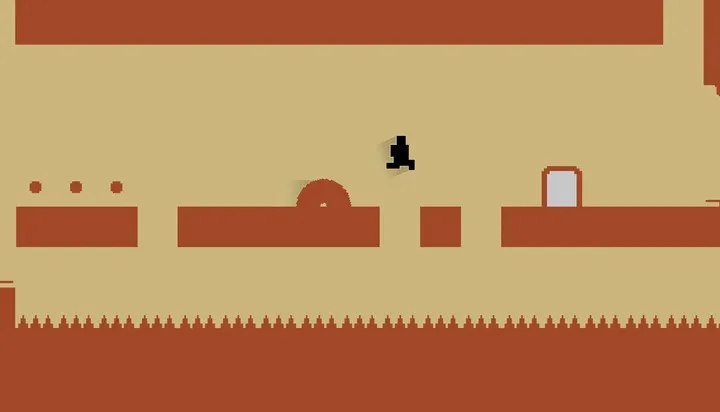
At the beginning, Level Devil pretends to be simple. Platforms look solid. Doors look normal. Spikes behave exactly like spikes have behaved in thousands of games before it. The player enters expecting frustration, but not yet deception. You die because you mistimed a jump or misread a pattern. Nothing feels unfair—yet.
This phase is crucial. The game is not trying to kill you emotionally here. It is training you to recognize shapes as honest. Floors are floors. Exit doors end levels. Red means danger; green means safe. This visual contract matters because every trick the game later plays depends on this groundwork.
The Psychological Contract
At this early stage, the player develops unconscious assumptions:
- This game follows standard platforming logic
- Visual language is reliable
- Death is a result of poor execution, not manipulation
Once this contract is signed, the game begins to violate it — slowly.
2. The First Lie: When the World Betrays Physics
The earliest betrayal is subtle. You land on a platform that falls slightly too late. A door opens first — then slams. The delay misleads your reflexes. You were not wrong. Your timing was appropriate. The game simply chose not to behave when expected.
This is the moment Level Devil stops being a platformer and becomes a psychological experiment.
Delayed Trigger Design
The critical trick is not movement — it’s latency.
The game introduces traps whose response times violate player conditioning. Normally:
- Touch → reaction
- Trigger → outcome
In Level Devil:
- Touch → pause → surprise
- Trigger → betrayal
By delaying reactions just enough, the game disconnects cause from effect. You didn’t mess up. The game waited until you felt safe to punish you.
3. Repetition as Weaponized Deception
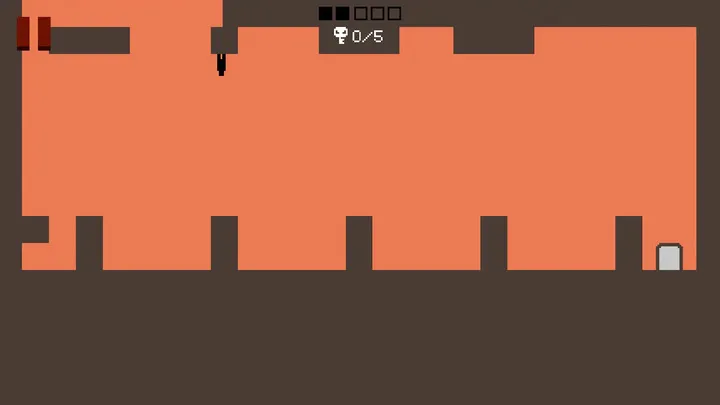
Most games teach through repetition. Level Devil corrupts that function.
The first time a spike pops out, it surprises you.
The second time, it confirms danger.
The third time, it teaches caution.
The fourth time? Nothing happens.
Now the object becomes a liar.
The game doesn’t escalate by adding new traps. It escalates by changing how familiar ones behave.
Consistency Is the Real Enemy
Level Devil removes something essential from traditional design: predictability over time.
In most games:
- Repetition creates comfort
- Patterns create mastery
Here:
- Repetition erodes certainty
- Patterns dissolve
The player is no longer learning the level — they are learning to doubt the idea of learning levels.
4. Environmental Gaslighting
Gaslighting is a psychological term referring to manipulation that makes you question your own perceptions. That is exactly what Level Devil’s level design does.
You die. You restart. You repeat the same actions. The trap does not trigger again.
This is not kindness.
This is psychological sabotage.
The Game Begins to Whisper
After a few levels, players start thinking:
- “Was it random?”
- “Did I imagine that?”
- “Maybe I triggered something wrong.”
You begin overanalyzing. You hesitate on flat ground. You jump early. You flinch at harmless walls. The game has rewired your instincts.
The Grid Is No Longer Trustworthy
Level Devil forces a new survival logic:
- Floors may lie
- Ceilings may wait
- Flags may kill you
- Safety is temporary
Every surface becomes a potential act of violence.
5. The Death That Comes Too Late
The most vicious traps in Level Devil are not instant.
They allow you to pass.
Then they kill you from behind.
This is crucial: the game weaponizes movement forward. In most games, danger comes from ahead; in Level Devil, it often comes from where you've already survived.
The Retroactive Trap
This class of trap activates behind you:
- You clear a spike pit
- You celebrate briefly
- The floor opens after you pass
- You fall and die
The emotional damage isn’t from failure.
It’s from revoking survival.
The Philosophy of Revoked Success
Most games reward success with relief.
Level Devil punishes success with delayed execution.
It teaches:
"You didn’t survive.
You were merely allowed to advance."
6. Flagpoints and False Salvation
Checkpoints in Level Devil are not necessarily safe.
Some are booby-trapped.
Some disappear.
Some kill you.
The game hijacks the most sacred symbol in gaming: the save point.
Psychological Whiplash
This does something deeply cruel:
- It connects hope with danger
- It corrupts the player’s emotional reset mechanism
- It makes progress itself suspicious
What a Checkpoint Becomes
Instead of relief, checkpoints now mean:
- Bait
- Traps
- The illusion of safety
You no longer exhale upon reaching a flag.
You prepare for pain.
7. The Midgame: Complete Loss of Environmental Trust
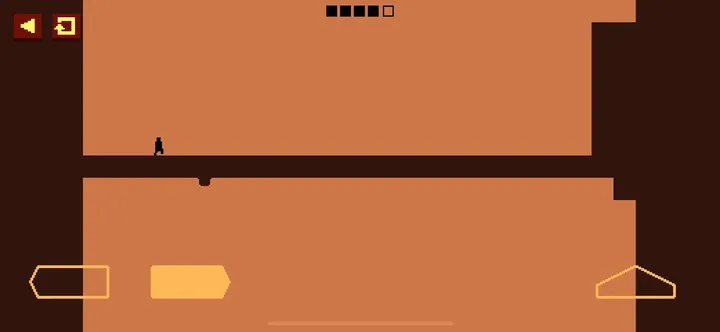
By the midpoint of Level Devil, the player no longer believes in the world.
Walls could shift.
Doors could kill.
Elevators could vanish.
The original contract is gone.
Survival Becomes Paranoia
Behavioral changes emerge:
- Players pause on perfectly flat surfaces
- They tap instead of walking
- They bait traps with micro-movements
- They expect betrayal everywhere
This is not strategy.
This is trauma.
The Game Has Won When You Play Slowly
Slowness becomes a coping mechanism — not out of design intent, but emotional damage.
The game doesn’t get easier.
You just get more afraid.
8. Comedy as Camouflage for Cruelty
Level Devil wears humor like makeup.
The deaths feel absurd.
The timing feels ridiculous.
The animations are exaggerated.
But beneath that is architectural hostility.
Why It “Feels” Like a Joke Game
- Cartoonish visuals
- Fast restarts
- Loud death sounds
- Meme-like pacing
This gives players permission to accept abuse — because laughter feels like consent.
Humor Is the Game’s Shield
If Level Devil were realistic, it would feel horrifying.
Instead, comedy makes cruelty palatable.
The joke isn’t the trap.
The joke is that you believed you were safe.
9. The Ending Philosophy: Mastery Without Control
By the later levels, you are no longer mastering the environment.
You’re mastering disappointment.
You learn when not to celebrate.
You learn how to expect loss.
You learn emotional management rather than mechanics.
What the Game Really Teaches
Not:
- How to jump perfectly
But:
- How to accept instability
- How to survive chaos
- How to function without reliable feedback
This Is Not a Troll Game
It is a game about trust erosion.
It is a design experiment that asks: “What happens when we destroy the player’s faith in rules themselves?”
10. Why Level Devil Stays With You
Most platformers fade from memory.
Level Devil leaves scars.
Not because it is hard.
But because it makes the player feel manipulated.
Emotional Aftereffect
You leave the game changed:
- You distrust mechanics in other games
- You second-guess simple jumps
- You expect doors to hurt you
This is not difficulty.
This is aftershock.
Legacy
Level Devil’s most dangerous feature is not its traps.
It’s that when you play something else afterward —
you no longer fully believe in the floor under your character’s feet.
Conclusion

Level Devil should not be dismissed as a troll game. It is not interested in being funny. It is interested in being unforgettable. By delaying betrayal, violating safety, and reprogramming trust, it transforms simple platforming into a psychological experience.
It does not want to defeat you.
It wants to haunt you.