.webp)





Introduction
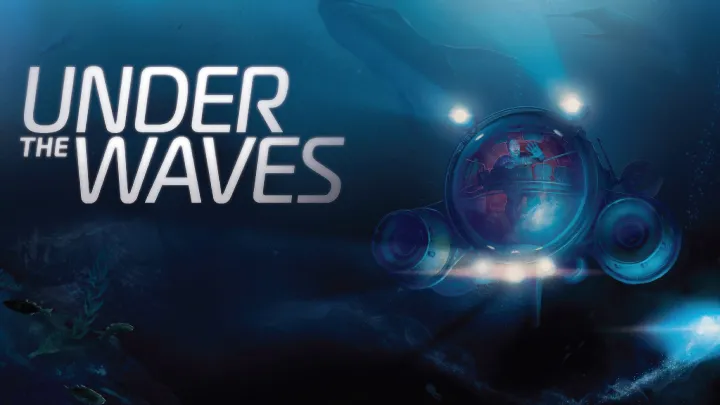
Under the Waves, developed by Parallel Studios and published by Quantic Dream, is a narrative-driven adventure game that immerses players in an atmospheric underwater world. The game follows the story of Stan, an oil worker grappling with emotional turmoil following the loss of his family. At its core, Under the Waves delves into profound themes of isolation and mental health, creating a rich tapestry of emotional experiences. This article aims to explore how the game addresses these themes, the impact on player engagement, and the broader implications for storytelling in video games.
The Setting: An Underwater Metaphor for Isolation
One of the most striking aspects of Under the Waves is its setting, which acts as a living metaphor for the protagonist's emotional state.
Immersion in the Abyss
- Stunning Visuals: The game's underwater graphics are breathtaking, drawing players into a beautifully rendered world filled with marine life and haunting landscapes.
- Isolation Through Environment: The vastness of the ocean mirrors Stan's feeling of solitude, as players navigate through empty spaces that evoke a sense of desolation.
Symbolism of the Ocean
- Depth and Vastness: The ocean's depths symbolize the overwhelming nature of Stan's grief, making it a fitting backdrop for his journey.
- An Endless Void: As players explore the open waters, the sea represents both beauty and fear, highlighting the dual nature of human emotion.
The Protagonist’s Struggle: Stan’s Internal Conflict
Stan's character serves as the heart of the narrative, and his internal struggles drive the player’s emotional experience throughout the game.
Grief and Mourning
- Loss of Family: The story revolves around Stan's coping mechanisms following his family's tragic demise.
- Impact of Trauma: Players witness how grief affects his daily functions and interactions, painting a realistic portrait of mourning.
Coping Mechanisms
- Isolation as a Shield: Stan often retreats further into himself, reflecting a common response to trauma.
- The Role of Memory: Flashbacks and audio diaries serve as tools to explore Stan's memories, creating an emotional connection with players.
Narrative Structure: Weaving Themes of Heartache and Hope
The narrative structure of Under the Waves cleverly intertwines Stan’s emotional journey with gameplay.
Non-linear Storytelling
- Player Choices: The game features a non-linear narrative where player choices impact Stan’s emotional state and engagement with the world.
- Layers of Decision: Every decision, whether in dialogue or gameplay, serves as a reflection of his mental health journey.
Moments of Reflection
- Pacing and Atmosphere: The slow pacing invites players to pause and reflect, enhancing the emotional weight of Stan’s experiences.
- Environmental Storytelling: Players uncover narrative elements through interactions with the environment, allowing them to piece together the protagonist’s past.
Symbolism in Gameplay: Navigating Between Sorrow and Discovery
Gameplay mechanics of Under the Waves reinforce its thematic message through exploration and interaction.
Navigational Challenges
- Underwater Navigation: Players must navigate treacherous waters filled with obstacles, reflecting Stan’s internal struggles.
- Gameplay as Metaphor: The challenges faced during exploration mimic the obstacles of processing grief, making the gameplay feel personal.
Resource Management and Survival
- Collecting Resources: Gathering resources symbolizes the act of emotional survival—finding remnants of joy amid despair.
- Psychological Reflection: Players must manage their mental and physical health, emphasizing the importance of self-care in times of emotional turmoil.
Artistic Choice: Visuals, Sound, and Tone
The artistic choices in Under the Waves significantly enhance its emotional narrative.
Stunning Aesthetics
- Visual Palette: The blue hues and dark lighting evoke feelings of sadness and contemplation, immersing players in Stan's world.
- Environmental Design: Each underwater biome contributes to the game’s atmosphere, creating a sense of wonder and melancholia.
Audio Design Influence
- Soundscapes: The use of ambient sounds, such as bubbles and distant marine life, heightens the sense of isolation.
- Musical Score: A haunting score accompanies Stan’s journey, enhancing emotional moments and reinforcing themes of loss and hope.
The Role of Interactions: Connections and Disconnections
Interactions within Under the Waves are crucial for storytelling and emotional engagement.
Dialogue and Relationships
- Limited Connections: Stan’s relationships are sparse, mirroring his emotional state. Interactions with characters are minimal, emphasizing solitude.
- Conversations as Reflections: Dialogue serves as a platform for Stan to articulate his feelings, allowing players to understand his mindset.
Environmental Interactions
- Exploring the Abyss: Players discover artifacts that reveal Stan's backstory, fostering empathy for his struggles.
- Engaging with Nature: Encounters with marine life provide fleeting moments of joy, reflecting the complexity of healing.
The Impact of Symbolism on Player Experience
The use of symbolism throughout Under the Waves shapes how players perceive and relate to Stan’s journey.
Emotional Resonance
- Relatable Themes: Grief is a universal theme that resonates with many players, allowing for personal connections to Stan's experiences.
- Empathy Development: The game encourages players to empathize with Stan, fostering a deeper emotional response.
The Art of Storytelling
- Subtlety Over Exposition: The game demonstrates how subtle storytelling can evoke powerful emotions without overt narration.
- Layered Meaning: Symbolism invites players to interpret Stan's journey on multiple levels, enhancing engagement and retention.
Critical Reception: Analyzing Player Feedback
Upon its release, Under the Waves garnered attention not only for its gameplay but for its handling of delicate issues.
Positive Feedback
- Emotional Depth: Many players praised the game for accurately addressing mental health and grief, creating a profound experience.
- Atmosphere and Design: The game's visuals and soundscapes were highlighted as standouts that enhance the emotional narrative.
Critiques and Areas for Improvement
- Pacing Issues: Some players found the pacing slow, which could detract from action-oriented gamers.
- Complexity of Gameplay: Others noted that certain gameplay mechanics felt disconnected from the emotional narrative, suggesting a need for cohesion.
Future Implications: The Path for Narrative-Driven Games
The success of Under the Waves raises questions about the future of narrative-driven games in exploring heavy themes.
Emphasizing Mental Health
- Setting a Precedent: The game could inspire future developers to tackle mental health issues with sensitivity and depth.
- Engagement Through Story: Narrative depth offers a way to engage players on emotional levels, enriching their gaming experience.
Innovation in Mechanics
- Gameplay-Story Integration: Future titles might look to better integrate gameplay mechanics with emotional narratives, creating more cohesive experiences.
- Broader Themes: This approach could lead to a wealth of new narratives within the gaming industry, expanding the scope of stories that can be told.
Conclusion: The Legacy of Under the Waves
Under the Waves is a poignant exploration of isolation and mental health, utilizing its underwater setting to craft a narrative that resonates deeply with players. Through Stan’s journey, players are invited to reflect on their own experiences with loss and healing. The game’s innovative approach to storytelling, combined with stunning visuals and sound, establishes it as a noteworthy title in narrative-driven gaming.
As the industry continues to evolve, Under the Waves sets a powerful example of how games can address complex emotional themes while engaging players. This legacy may pave the way for future games to explore similar narratives with sensitivity and insight, enriching the gaming landscape.