





Introduction
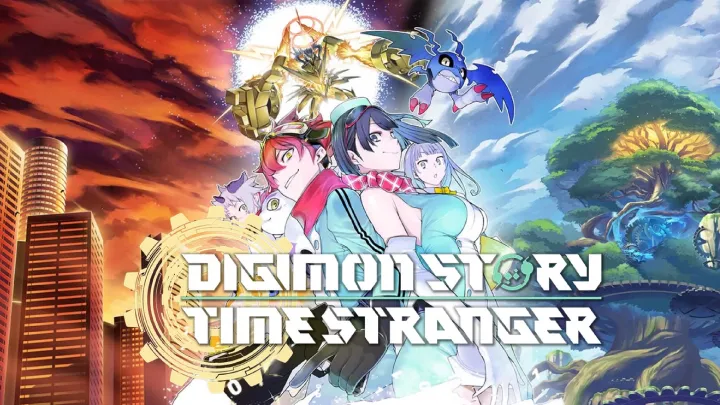
"Digimon Story: Time Stranger" offers players an engaging narrative intertwined with the familiar and beloved aspects of the Digimon franchise. Set against a backdrop of friendship, betrayal, and the complexities of time travel, this installment pushes the boundaries of storytelling in the series. As players traverse the digital world, they encounter familiar faces and new threats, all while grappling with moral implications stemming from their choices. This article delves into the intricate layers of storytelling found in "Digimon Story: Time Stranger," particularly focusing on the themes of time and consequences, character development, and the ever-evolving relationship between humans and Digimon.
A New Beginning: The Setting of Time Stranger
Worlds Beyond: The Digital Realm
In "Time Stranger," players are transported into an expansive and intricately designed digital world. Each location is crafted with attention to detail, from lush landscapes to futuristic cityscapes. This world serves not just as a backdrop but as a living entity, filled with lore, challenges, and character interactions that deepen the narrative experience. The setting highlights the contrast between the digital world and the human world, emphasizing the unique challenges and opportunities that arise when these realms intersect.
The Importance of Timing
The central theme of the game revolves around time manipulation, introducing players to the concept of time as a fluid and malleable force. The narrative kicks off with time disruptions affecting the digital world, setting the stage for a journey where characters must navigate various timelines, altering events to restore balance. This focus on timing isn't merely a plot device but serves as a metaphor for personal growth, choices, and the repercussions of one’s actions throughout the story.
Characters as Symbols of Growth
The Protagonist: A Journey of Self-Discovery
The protagonist of "Digimon Story: Time Stranger" is a relatable figure, facing personal challenges and growth throughout the narrative. As players immerse themselves in the role, they experience the character’s evolution—from self-doubt to newfound bravery. This journey is mirrored in relationships with Digimon partners, who provide encouragement and support. The bond between the protagonist and their Digimon is a central theme, emphasizing the importance of friendship and understanding.
Supporting Cast: Allies and Antagonists
The supporting cast enriches the narrative, comprising returning characters and new allies. Each character embodies distinct traits and challenges, creating a diverse array of interactions that significantly impact the protagonist's development. Moreover, antagonists present in the game are not simply evil; they have backstories and motivations, adding layers of complexity to their roles. This multifaceted approach to character development elevates the plot, allowing players to form emotional connections that enhance the overall experience.
The Mechanics of Time Travel
The Time Manipulation System
The time travel mechanics in "Time Stranger" are central to both the gameplay and the overarching narrative. Players can interact with different timelines, attempting to change events and rectify mistakes. This mechanic adds a layer of complexity to the gameplay, requiring strategic thinking as players assess the consequences of their actions in multiple scenarios. The interplay between time travel and character decisions becomes a key element in shaping the story's outcome.
Consequences of Choices
Time travel raises ethical dilemmas that challenge players as they navigate their journey. The ramifications of altering events often create unexpected consequences, forcing players to confront the harsh reality that actions have weight. This theme resonates with real-world issues of responsibility, prompting players to reflect on their own lives and the potential impact of their choices. Balancing progression with meaningful choices adds depth to gameplay, transforming it into a thought-provoking experience.
Themes of Betrayal and Trust
The Fragility of Relationships
In "Time Stranger," themes of betrayal are woven throughout the story, complicating character relationships and trust dynamics. The narrative introduces characters whose loyalties and motivations evolve, presenting twists that challenge the protagonist’s understanding of friendship. As trust erodes, players must navigate the emotional fallout, which becomes pivotal for both character arcs and plot development.
Navigating Betrayals
Moments of betrayal in the game are not solely focused on individual relationships; they often reflect larger societal issues within the digital world. Characters grapple with trust in a realm where deception and manipulation are prevalent. Each betrayal impacts the protagonist's journey and influences pivotal decisions—testing the bonds formed throughout their adventure. Ultimately, it becomes clear that betrayal can lead to profound revelations about character strength and resilience.
The Human-Digimon Connection
The Heart of Digimon
The relationship between humans and Digimon lies at the narrative's core in "Time Stranger." As players engage with their Digimon partners, they discover that these creatures symbolize more than just companions in battle; they embody aspects of their human counterparts. Each character’s growth is mirrored by their Digimon, establishing a profound connection that emphasizes the theme of partnership and mutual development.
Emotional Bonds
Through heartfelt interactions and shared challenges, the emotional bonds between the protagonist and their Digimon enhance the narrative's emotional depth. Players go through hardships alongside their partners, allowing them to witness moments of vulnerability and growth. These experiences cultivate empathy, making the stakes feel personal and engaging as players invest themselves more deeply in the story.
Exploring Moral Complexity
Shades of Grey
"Time Stranger" presents a narrative rich with moral complexity, encouraging players to confront choices that lack clear right or wrong answers. Characters often face dilemmas that force them to weigh personal desires against the greater good—and the weight of each decision can lead to significant changes in the storyline. This focus on the moral grey areas distinguishes the narrative, inviting players to engage in thought-provoking discussions about ethics and responsibility.
Reflections on Humanity
Through its exploration of moral complexity, the game also delivers commentary on broader human experiences. Themes of redemption, sacrifice, and the consequences of power echo throughout the story, prompting players to reflect on their values and the implications of their choices. This examination of humanity elevates the narrative beyond a traditional adventure, making it resonate on a deeper level with players.
Environmental Storytelling: A Richly Crafted World
Lore Embedded in Landscapes
Environmental storytelling plays an essential role in "Digimon Story: Time Stranger." The intricately designed settings showcase the history, cultures, and challenges of the digital realm. By exploring diverse environments, players uncover fragments of lore, enhancing their understanding of the world and its inhabitants. These details create a rich context for character motivations and narrative arcs, allowing players to engage more deeply with the story.
Dynamic World Responses
As players change events through time travel, the environments themselves respond to those shifts. Locations may alter based on player decisions, reflecting the impact of actions on the world. This dynamic interplay reinforces the theme of responsibility, compelling players to consider how their choices influence both the present and future landscapes they explore.
The Emotional Resonance of the Story
Moments of Heartfelt Connection
"Digimon Story: Time Stranger" excels in its ability to create emotional connections with players. The storyline is punctuated by powerful moments that elicit genuine reactions. From heartwarming victories to devastating losses, players experience a rollercoaster of emotions that resonate long after gameplay.
Catharsis Through Relatability
Characters face real challenges that players can relate to, making their journeys feel authentic and impactful. Themes of growth, fear, and enduring friendship create a cathartic experience that invites players to reflect on their own lives. The emotional depth enriches the narrative, ensuring that "Time Stranger" transcends mere entertainment to become a resonant experience.
Conclusion
"Digimon Story: Time Stranger" blends action, adventure, and emotional depth into a compelling narrative. Its exploration of themes like time, betrayal, and the human-Digimon connection invites players to engage with the story on multiple levels, illustrating the complexity of life through a vibrant digital lens. As players navigate a world filled with challenges and choices, they are encouraged to reflect on their own experiences, values, and relationships.
Through rich characters, environmental storytelling, and moral complexity, the game elevates the Digimon franchise to new heights, offering a narrative experience that is both entertaining and thought-provoking. "Time Stranger" ultimately leaves players with a sense of hope, fostering the idea that growth, redemption, and connection can emerge from even the darkest of times.
In summary, "Digimon Story: Time Stranger" brilliantly weaves together action and emotional depth, encouraging players to reflect on friendship, choices, and the journey of growth.