



Introduction
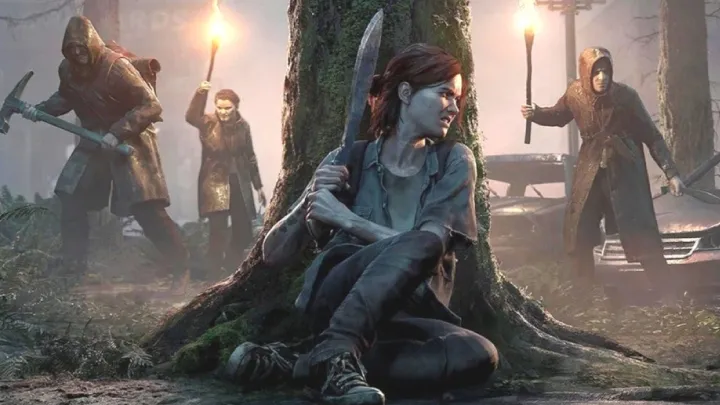
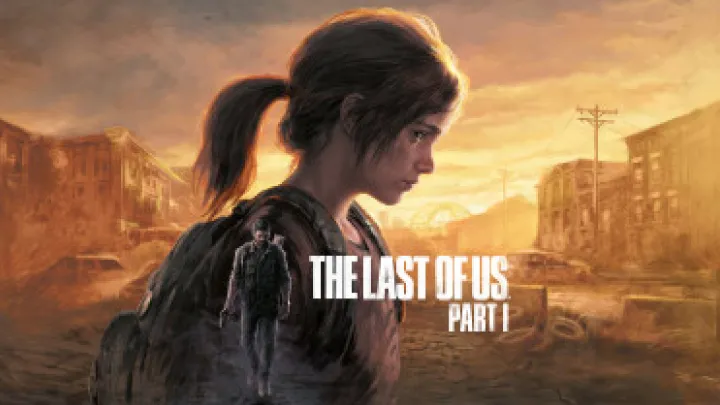
The Last of Us Part I serves as both a thrilling post-apocalyptic narrative and a profound exploration of human relationships, focusing extensively on themes of love, loss, and survival. Developed by Naughty Dog, this acclaimed game transports players into a ravaged world where the destruction wrought by a fungal infection has decimated society and transformed human beings into terrifying creatures. At the heart of this brutal landscape is a deeply emotional story centering on Joel and Ellie, two characters bound by tragedy and hope. This article examines the intricate dynamics of love and loss as presented through their relationship, how it shapes their identities, and the moral ambiguities introduced by their choices. By analyzing specific moments and interactions in the game, we can uncover the nuanced portrayal of these themes that resonates throughout The Last of Us Part I.
The Beginning: A Fragile Foundation of Love
The Catalyst of Loss
The narrative kicks off with a traumatic experience that serves as a catalyst for Joel's character arc: the loss of his daughter, Sarah. This devastating event not only shapes Joel's identity but sets the stage for his emotional detachment from the world around him. The initial sequence poignantly illustrates the love between father and daughter, capturing a tender moment before everything falls apart. This loss becomes the lens through which players view Joel’s subsequent actions and relationships.
The Weight of Grief
Joel's grief manifests as an emotional armor, causing him to become hardened and distrustful. The contrast between his former, loving self and the hardened survivor he becomes is striking. Players are reminded that love and loss coexist, and the latter can profoundly affect one’s capacity for connection. This emotional complexity becomes a thread that weaves through the narrative as Joel navigates the dangers of the post-apocalyptic world, setting the stage for his eventual relationship with Ellie.
The Emergence of a New Bond
The Unlikely Partnership
When Joel reluctantly becomes Ellie’s protector, a new bond begins to form. Initially, their relationship is marked by tension and mistrust; Joel sees Ellie as a burden, while Ellie grapples with the weight of her own losses. Their dynamic reflects the harsh realities of survival; both characters are broken by their past experiences, yet forced to navigate a world fraught with danger together.
Building Trust
As they journey through the remnants of civilization, Joel and Ellie begin to build trust—a delicate process marked by vulnerability. Their interactions serve as mini-narratives, each moment contributing to their growing bond. For instance, sharing stories about their pasts becomes not just an act of communication but a way to heal and reconnect with their humanity. These moments emphasize that relationships can serve as instruments of healing, especially amidst the brutality surrounding them.
The Power of Love in Adversity
Protection and Sacrifice
Joel’s protective instincts toward Ellie become more pronounced as they face brutal encounters with infected and human foes alike. This protective love highlights the willingness to sacrifice for someone else, showcasing that love in the post-apocalyptic context is a catalyst for survival. In crucial moments, Joel makes choices that illustrate the lengths he will go to keep Ellie safe, introducing moral dilemmas that challenge players to consider the ethics of his decisions.
The Development of Ellie
As the narrative unfolds, players witness Ellie evolve from a frightened girl into a capable survivor. Her journey showcases the transformative power of love, showing how nurturing relationships can cultivate strength and resilience. Joel imparts skills that help her adapt and survive, and in doing so, he unknowingly begins to heal his own emotional wounds. The relationship between them becomes a testament to the idea that love fosters growth, even in dire circumstances.
The Moral Ambiguities of Love
The Cost of Choices
In The Last of Us Part I, love is not without its complications. The characters frequently confront moral ambiguities that challenge their notions of right and wrong. Joel’s actions often lead to consequences that highlight the darker side of love, presenting players with ethical dilemmas—such as the cost of protecting Ellie versus the consequences of violence and betrayal.
Climax of Betrayal
The culmination of these moral dilemmas reaches a peak during the game’s climax, where Joel is faced with a heart-wrenching choice: to save Ellie or allow others to determine her fate. This moment encapsulates the proverbial crossroads between love and morality, forcing players to grapple with the repercussions of his decision. It poses the question of whether love can justify ethically questionable actions, leaving players to reflect on their own beliefs about sacrifice and loyalty.
The Impact of Loss on Identity
Loss as a Driving Force
Loss remains a persistent theme throughout the game, shaping characters and influencing their actions. For Joel, Sarah’s death is a defining moment; it colors every decision he makes and every relationship he forms. The fear of losing Ellie evokes his protective instincts, instilling a sense of urgency in his actions even as it drives him to act in morally ambiguous ways.
Ellie’s Encounter with Loss
Ellie's perception of loss also evolves throughout the story. As she experiences the trauma of violence and the loss of companions, her understanding of love and sacrifice begins to shift. The emotional weight of losing those she cares about inspires her to confront her fears and find strength within herself. This transformation deepens her character, illustrating how loss can serve as both an anchor and a catalyst for personal growth.
Love and Found Family
The Concept of Chosen Family
In the harsh reality of the post-apocalyptic world, the notion of family transcends traditional definitions. As Joel and Ellie navigate a world stripped of societal norms, they begin to form a “chosen family.” The bonds established with characters like Tess and later, Dina, illustrate how love can act as the glue that binds individuals together in the absence of biological kinship.
Emotional Connections
The relationships that develop among these characters show that love can substitute familial bonds and create a sense of belonging. These connections become essential in their fight for survival, reinforcing the idea that emotional support is critical in a world filled with chaos and uncertainty. Players are reminded that love—whether romantic, platonic, or familial—always provides strength in adversity.
The Cycle of Violence
The Complexity of Survival
The Last of Us Part I presents a stark reality where love and violence often coexist. Characters grapple with the consequences of their actions, questioning whether violent decisions are justified in the name of protecting loved ones. The narrative challenges players to reflect on the cyclical nature of violence and how it impacts relationships, further complicating the emotional landscape of the characters.
The Consequences of Choices
As the story progresses, players witness the profound consequences of violence. Characters like Joel are haunted by their actions, forcing them to contend with feelings of guilt and regret. The cycle of violence is ruthlessly portrayed as a form of emotional and psychological trauma that shapes identities. This exploration delves deep into the fragile interplay between love and violence, asking players to consider the ramifications of their choices in pursuit of safety and security.
The Resolution: An Uncertain Future
The Finality of Choices
The game concludes with a heart-wrenching moment that encapsulates the essence of love and loss: the haunting repercussions of the choices made throughout the journey. Joel’s actions resonate through the narrative, leading to an ambiguous conclusion that leaves players contemplating the future and the moral complexities surrounding love.
The Ambiguity of Hope
Despite the pain and heartache, glimmers of hope remain. As Ellie contemplates her relationship with Joel and navigates her own path, players are left with an open-ended reflection on the nature of love and identity in a fractured world. The journey serves as a testament to the resilience of the human spirit—the capacity to endure hardship while still seeking connection and understanding.
Conclusion
The Last of Us Part I masterfully weaves themes of love and loss into its narrative, creating a deeply emotional experience rooted in the complexities of human relationships. Through the exploration of Joel and Ellie’s journey, players are challenged to confront their notions of love, sacrifice, and moral ambiguity in a world ravaged by violence and loss. The game successfully captures the fragile interplay between emotional connections and the harsh realities of survival, reminding players of the profound impacts of their choices. Ultimately, The Last of Us Part I stands as a poignant reflection on the nature of love in all its forms, demonstrating that even amid chaos and despair, the human capacity for connection and resilience can shine through.