.webp)



My Talking Tom 2 has become one of the most recognizable virtual pet games worldwide, not only because of its charming character design but also because of the surprisingly deep interactive mechanics that allow players to customize, raise, entertain, and care for Tom in a variety of ways. This guide explores the game far beyond the typical “feed and play” loop, diving into the underlying systems that influence Tom’s behavior, energy rhythm, item economy, in-game activities, and strategic optimizations that help you progress faster while maintaining a consistently happy pet. The following 10 sections are arranged in a logical order from basic foundation to advanced mastery, providing a structured, time-based journey through Tom’s daily life cycle and your evolving role as his caretaker.
1. Understanding Tom’s Core Needs And How They Evolve Over Time
The foundation of My Talking Tom 2 lies in four principal need bars: hunger, energy, fun, and hygiene. While they appear simple, each bar is connected to a subtle internal timer that influences how fast Tom’s mood shifts. Hunger decreases at a moderate pace, requiring consistent but not excessive feeding. Energy drains quickly if the player engages in high-activity mini-games, which means timing play sessions around Tom’s sleep schedule is essential. Fun decreases passively but drops sharply when repetitive actions are used, because the game encourages variety rather than spamming the same interaction. Hygiene, meanwhile, is triggered by specific events such as eating certain foods, playing messy mini-games, or having Tom sneeze or get dirty from random occurrences.
Another often overlooked detail is the behavioral curve: as Tom levels up, his need bars drain slightly faster but his reward output increases as compensation. This design encourages players to stay more involved while avoiding burnout by offering unlocks and new interactive objects. Understanding these underlying rhythms allows you to anticipate Tom’s needs instead of reacting only when his mood bar turns red. Experienced players often form a “care cycle” that aligns snack breaks, nap times, full meals, and play intervals into a steady pattern that keeps Tom consistently cheerful.
 2. Optimizing Feeding Strategies For Faster Growth And Better Rewards
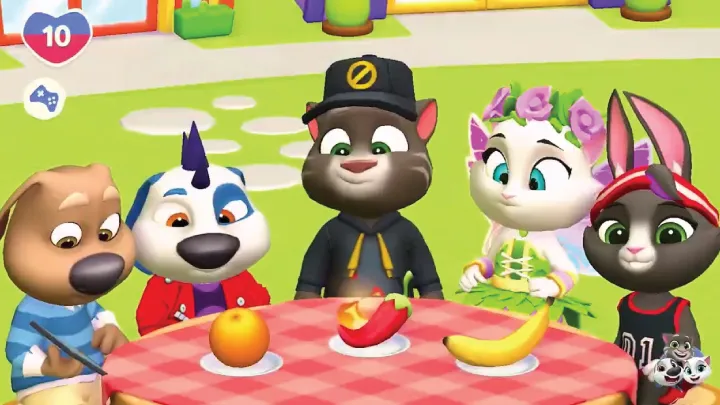
Feeding Tom may appear straightforward, yet the game includes numerous hidden mechanics that reward players who select food strategically. Basic foods—apples, bananas, toast, milk—restore hunger predictably but offer minimal bonus interaction. Premium foods, special seasonal dishes, and reward-based meals from ads or spins often provide larger hunger boosts while triggering unique animations. Some foods even interact with Tom’s environment, such as spicy dishes that make him breathe fire or extra-cold treats that change his temperature and expressions.
What many players miss is the long-term developmental value: consistently feeding Tom higher-quality foods at certain level milestones increases the chances that he reacts with special behaviors that unlock photo opportunities for the album system. These album moments are tied to gem rewards, which are crucial for purchasing premium furniture or cosmetic items. Moreover, feeding Tom right before sleep slightly boosts the passive recovery rate of his energy bar, creating a synchronized rhythm where Tom wakes up with full hunger and full energy, ready for gameplay. Learning to combine basic foods with occasional special meals creates a balance between saving coins and maximizing entertainment value.
3. Hygiene Management And The Importance Of Cleanliness Events
Hygiene in My Talking Tom 2 goes beyond the simple act of placing Tom in the bathtub. The game integrates cleanliness into several mini-systems, creating cause-and-effect reactions that impact Tom’s mood and unlock animations. Every bath type—normal soap, bubble soap, rainbow gel, seasonal shampoos—has different effects on Tom’s expressions and photo moments. Additional interactions, such as using the hair dryer, applying new towels, or brushing Tom’s fur, can trigger hidden reactions that appear randomly depending on Tom’s current mood value.
Another subtle mechanic occurs with mess-triggering foods or mini-games. Sticky treats, messy obstacles, or slime-based games cause Tom to become visibly dirty, pushing players to respond quickly. If cleanliness is neglected for too long, Tom’s fun bar decreases, causing a cascading effect that lowers overall mood. On the other hand, cleaning Tom frequently unlocks special hygiene-related items like themed bathtubs or new grooming tools. Long-term players often use “cleanliness cycles”—letting Tom get slightly messy before a planned bath—to maximize the number of unique interactions per session. These cycles become especially useful when hunting for album photos or gem bonuses tied to hygiene tasks.
4. Energy Recovery, Sleep Timing, And Level-Based Rest Patterns
Energy management becomes increasingly important as Tom advances through higher levels. Early gameplay allows frequent bursts of activity with short naps, but later levels require more deliberate planning. Tom’s sleep cycle operates on a real-time timer, meaning the duration of each rest session gradually increases as Tom levels up. This mechanic is designed to reflect the growth of the character—older Tom sleeps longer but yields more energy when waking.
Advanced players often utilize “energy stacking,” a technique where they allow Tom’s energy bar to drain through extended mini-game sessions before initiating a full sleep cycle. This method ensures that the energy recovery is maximized during downtime, such as when the player steps away from the device. Waking Tom prematurely resets part of the regeneration curve, so it’s generally more efficient to let him complete an uninterrupted sleep unless a mission specifically requires waking him early.
Another often overlooked detail is the relationship between environment customization and sleep quality. Some beds provide faster energy regeneration or unique wake-up animations. Pairing the right furniture with consistent timing forms an optimized routine that keeps Tom energetic throughout the day.
5. Fun And Engagement Through Multi-Stage Mini-Games
My Talking Tom 2 offers a diverse selection of mini-games that go beyond simple tap-based entertainment. Many of these games include multi-stage progression, difficulty scaling, and collectible-based objectives. For example, the airplane mini-game includes level-based obstacles; the trampoline game rewards rhythm control; and puzzle-style games encourage pattern recognition.
What makes fun management complex is Tom’s diminishing return system. Repeating the same mini-game too many times lowers the fun bar’s refill rate temporarily, pushing players toward variety. Each game type contributes differently to Tom’s happiness, with action games filling fun quickly but draining energy faster, while puzzle games maintain a balanced fun-to-energy ratio.
Mastering mini-games also yields coins and items essential for progressing through cosmetic upgrades. Skilled players strategically rotate games based on their current objectives—farming coins, unlocking outfits, completing missions, or boosting Tom’s mood. A balanced game rotation prevents boredom penalties and creates a steady flow of rewards.
 6. Item Economy, Coin Efficiency, And Smart Spending Techniques
The economy system in My Talking Tom 2 is designed to offer freedom while subtly steering players toward long-term planning. Coins are obtained through daily tasks, mini-games, leveling rewards, wheel spins, and occasional ads. Gems, however, are more valuable and should be spent cautiously. Furniture upgrades, themed outfits, and entertainment objects are the most coin-intensive purchases but also provide some of the most significant boosts to interactivity.
Players who want to progress quickly often adopt a “tiered spending method.” Essential items—food, basic toys, and hygiene supplies—form the first tier and require regular replenishment. The second tier includes interactive furniture that provides bonuses such as increased fun or improved photo opportunities. The third tier involves premium cosmetics and seasonal items, which are best acquired during discounts or limited-time events.
One advanced tip is rotating Tom’s furniture to trigger fresh reactions. Tom responds differently to newly placed objects, which can influence mood and album photo chances. This makes aesthetic changes more than just decoration—they become part of a strategic progression path.
7. Customization, Outfit Synergy, And Personality Expression
Customizing Tom is one of the core joys of the game, but it also has hidden depth. Outfits don’t just change Tom’s appearance—they modify how Tom behaves during certain interactions and influence the animations triggered during playtime. Costumes like pirate, superhero, doctor, or seasonal outfits come with their own themed reactions. Some outfits even unlock unique mini-animations when paired with matching furniture sets.
Players who enjoy personalization often experiment with “synergy builds,” where the clothing, environment, and toys share a theme. When Tom is dressed in an astronaut suit, for instance, pairing it with space-themed furniture and using the airplane mini-game creates a consistent experience that increases the likelihood of special reactions.
Long-term collectors track rare outfits obtained during seasonal events, knowing these items may not return for months. Maintaining variety also keeps Tom's fun from stagnating, as his animations shift depending on outfit cycles.
8. Progression Secrets, Level Rewards, And Unlock Milestones
Progression in My Talking Tom 2 is built around leveling, but the internal mechanics behind level rewards are often misunderstood. Every interaction contributes small increments to experience points: feeding gives low XP, playing mini-games yields medium XP, and completing missions provides large boosts. Some special interactions—such as unique animations triggered by themed items—grant bonus XP that does not display directly on screen.
Unlock milestones occur at major level thresholds, revealing new foods, grooming tools, toys, and home decorations. These unlocks follow a thematic order based on the development of Tom’s environment. Early levels focus on basic comfort items; mid-levels introduce interactive toys; and late-game levels unlock premium cosmetics and environment expansions.
Players looking to progress faster use “XP stacking,” a technique where they combine multiple high-value actions back-to-back, such as cleaning, feeding premium foods, and playing varied mini-games. This method creates short bursts of accelerated level gain, especially effective during special events that offer double XP bonuses.
9. Using Tom’s Travel System For Rare Items And Bonus Interactions
One of the most underrated features in My Talking Tom 2 is Tom’s ability to travel using the plane system. Each destination yields unique rewards—exclusive toys, clothes, décor, and interaction objects that cannot be obtained anywhere else. Trips consume plane tickets, which accumulate slowly through missions, spins, or daily login rewards.
Understanding destination patterns enhances efficiency. Some locations are best for cosmetics, others for toys or environment objects. While the pool is randomized, experienced players recognize that destinations rotate themes over time. Collecting travel-exclusive items expands Tom’s interaction library, which increases the diversity of his reactions and improves the chance of unlocking album entries.
Traveling also affects Tom’s mood subtly. Returning from a trip often boosts his fun bar, and unpacking travel items creates bonus XP moments. Players maximizing progression time their travels around Tom’s mood dips, using travel returns as a strategic reset point.
10. Advanced Mood Management And Long-Term Care Strategies
At the highest level of play, My Talking Tom 2 becomes a game of rhythm, optimization, and emotional balance. Mood management is not just about filling bars—it is about maintaining a steady flow of diverse interactions. The game encourages players to treat Tom as a dynamic character instead of a checklist of tasks.
Advanced players use multi-stage care cycles aligned with Tom’s internal timers: feeding before rest, play before hygiene, outfit swaps before missions, travel before fun drops. This structured cycle keeps Tom in a perpetual “high-mood state,” which increases the frequency of unique reactions, boosts XP gain, and enhances the value of each play session.
Over the long term, maintaining variation is key. Rotating mini-games, changing furniture layouts, switching outfits, and experimenting with foods prevents mood penalties triggered by repetition. The more Tom experiences fresh interactions, the more rewarding the game becomes for both player and pet.
In essence, mastering My Talking Tom 2 means embracing Tom’s evolving personality and crafting a daily routine that blends strategy with entertainment. With consistent care, smart spending, and thoughtful interaction planning, your Tom will thrive at every level.