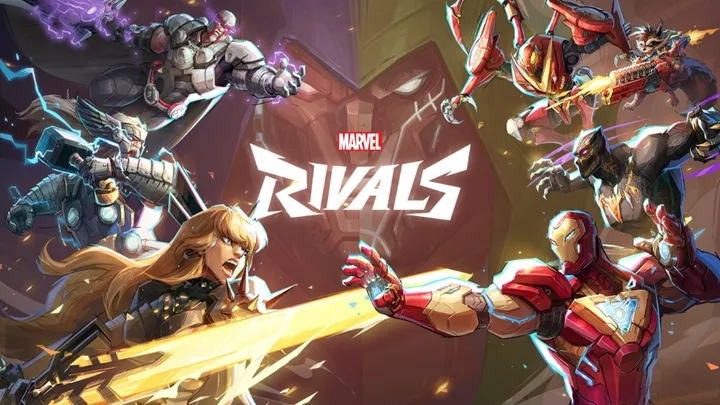
Welcome to the complete guide to Marvel Rivals, the new hot game taking the world by storm. In this article you’ll learn everything from gameplay mechanics to strategies, team-building methods, and how to master every match. Whether you’re a beginner or a competitive player, this resource gives you the insights you need to dominate the battlefield.
1. The Rise of Marvel Rivals
Before diving into gameplay strategies, it’s important to understand why Marvel Rivals has quickly become the next hot game. Its fast-paced hero combat, deep multiplayer systems, and cinematic abilities make it stand out in the hero-shooter and team-arena genres.
Players worldwide are drawn to its dynamic team structure and synergy-based mechanics, delivering a fresh competitive experience. The use of iconic Marvel characters, each faithfully recreated with recognizable powers, provides a strong emotional hook that keeps both casual fans and competitive players engaged.
Why the launch mattered
The marketing push, cross-platform availability, and initial hero roster created immediate hype. Early community content—streams, highlight reels, and competitive previews—accelerated interest, making the title a social media phenomenon right out of the gate.
Cultural fit and timing
The game tapped into a cultural moment where superhero IP is a mainstream entertainment staple. Combining that with polished gameplay and modern monetization (skins, battle passes, events) positioned Marvel Rivals as both a cultural product and a long-term competitive ecosystem.
2. What Makes Marvel Rivals a Hot Game?
The success of Marvel Rivals isn’t just due to its famous characters—it's the combination of gameplay depth, design polish, and continual content support. Each hero offers unique mechanics, so matches are rarely the same twice.
Frequent updates, new heroes, and seasonal events keep the community active. This constant cadence of content is a major reason why players label it a hot game.
Core gameplay pillars
- Hero individuality: Each character has signature moves that feel true to the comics.
- Team synergy: Abilities that combo across heroes encourage cooperative play.
- Pacing: Matches are engaging and often finish quickly, which is perfect for modern play sessions.
Community and ecosystem
A strong developer-community feedback loop, active esports interest, and creators producing guides and highlights all help to sustain popularity. These factors make Marvel Rivals not just a fad but a viable competitive title.
3. How to Get Started in Marvel Rivals
If you’re wondering how to begin your journey, this section covers the basics—from choosing your first hero to understanding the interface and match types.
Start by selecting a role and sticking with it for a while. Learning the responsibilities and limits of a single role is far more effective than rotating randomly.
Basic account and interface tips
Create your account, verify cross-platform options, and customize basic settings—sensitivity, HUD, and keybinds. These small adjustments help you perform better immediately.
Role fundamentals
- Damage: Prioritize positioning, aim, and burst windows.
- Tank: Focus on engagement timing, peel, and body-blocking abilities.
- Support: Track cooldowns, heal priorities, and buff management.

4. How to Choose the Best Heroes
Choosing the right hero in Marvel Rivals depends on your playstyle, team needs, and the map. Knowing how to evaluate strengths, counters, and synergy is essential to consistent wins.
Heroes vary widely: some excel in mobility while others dominate sustained fights. Understanding which archetype fits you will guide your long-term mastery.
Hero evaluation checklist
- Mobility and utility
- Damage profile (burst vs sustained)
- Survivability and self-sustain
- Team synergies and counters
Practical picking tips
- Pick a primary hero and two backups for flexibility.
- Learn which heroes counter your main pick and practice alternative responses.
- Consider map-specific heroes—some champions perform better on certain objectives.
5. How to Master Combat Mechanics
To truly shine in this hot game, players must learn how to use movement, abilities, and teamwork effectively. Combat in Marvel Rivals is fast and reaction-driven; mastering fundamentals yields rapid results.
Work on mechanical fundamentals alongside higher-level decision making—combo execution, cooldown economy, and situational awareness.
Combat essentials
- Movement: Use cover, verticality, and dash cancels to survive.
- Cooldown management: Track both your cooldowns and the enemy’s.
- Target priority: Identify and focus-threats—support and high-damage heroes—first.
Movement deep dive
Master dash-canceling and animation-cancel techniques where applicable. These small mechanical advantages let you dodge key spells and punish overextensions.
Ability sequencing
Practice ability sequences in training modes. Knowing exact windows for interrupts or follow-ups turns close matches into wins.
6. Maps and Objectives
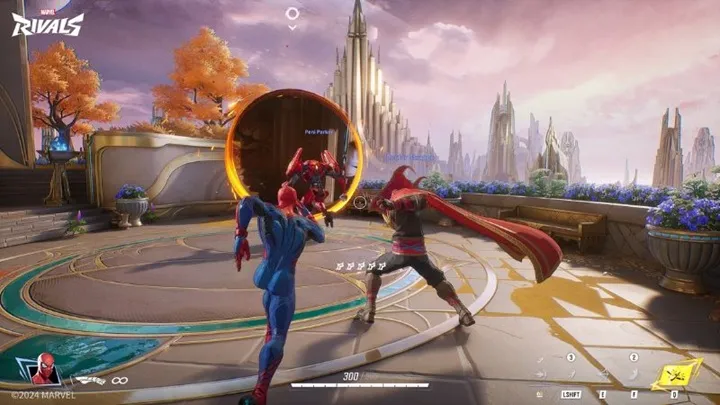
Each map in Marvel Rivals features strategic zones that require distinct approaches. Learning how to navigate maps efficiently will significantly improve your win rate.
Objectives may include capture points, escort missions, or time-limited control phases; understanding objective value is crucial to decision-making.
Objective types and approaches
- Capture Point: Play around rotation speed and vision control.
- Escort/Payload: Manage choke points and timing for coordinated pushes.
- Zone Control: Sustain presence and exploit respawn timers.
Map awareness and rotation
Good teams rotate to deny resources and respond to flanks. Use sound cues and minimap to predict enemy movement. The best players also control sightlines with mobility or zoning ultimates.
7. How to Build the Best Team Composition
Team composition in Marvel Rivals goes deeper than picking top-tier heroes. It’s about creating a functional synergy that maximizes win conditions. Knowing how to assemble complementary abilities separates casual teams from competitive lineups.
A balanced team often includes a frontline initiator, reliable damage dealers, and a support that enables entries or extends fights.
Sample balanced team build
- Tank/Initiator: Absorbs damage and starts fights (e.g., Hulk-type).
- Main DPS: High sustained or burst damage (e.g., Iron Man-type).
- Off-DPS/Flex: Offers utility or secondary damage (mobility or CC).
- Support/Healer: Enables and sustains the frontline.
Flexibility and counter-picks
Always have a flexible hero who can pivot between roles. Counter-picks are especially important for tournament play—bring heroes that disrupt enemy strategies.

8. How to Win More Matches
Winning is not only about individual skill; communication, timing, and game knowledge are often more decisive. This section shows how to improve your winrate through habits and teamplay.
Good habits compound. Regularly reviewing matches, practicing specific scenarios, and focusing on small improvements will steadily raise your performance.
Practical strategies to increase wins
- Communicate: Call targets, cooldowns, and objectives.
- Coordinate ultimates: Combine big abilities for guaranteed wipes.
- Control tempo: Decide when to force fights or reset to heal and regroup.
In-game leadership
A simple shot-caller can transform a random squad into a coordinated unit. Callouts for rotations, ultimates, and retreats give structure to chaos.
Post-game review
Watch replays to identify mistakes—bad positioning, missed abilities, and poor target selection. Fixing even one recurring issue can swing match outcomes.
9. How to Progress Faster
Progression includes leveling heroes, unlocking cosmetics, and climbing ranked play. Knowing how to get the most from your playtime helps you reach rewards faster.
Daily missions, event challenges, and playing with a consistent group speed up progression significantly.
Efficient progression tips
- Complete daily and weekly missions first.
- Prioritize event objectives that give high XP or unique rewards.
- Play with a pre-made group if possible—win streaks and synergy yield more rewards.
Monetization and value
Invest only if the cosmetic or convenience items align with your play habits. Battle passes and seasonal bundles often provide the best value if you plan to play regularly.
10. The Future of Marvel Rivals
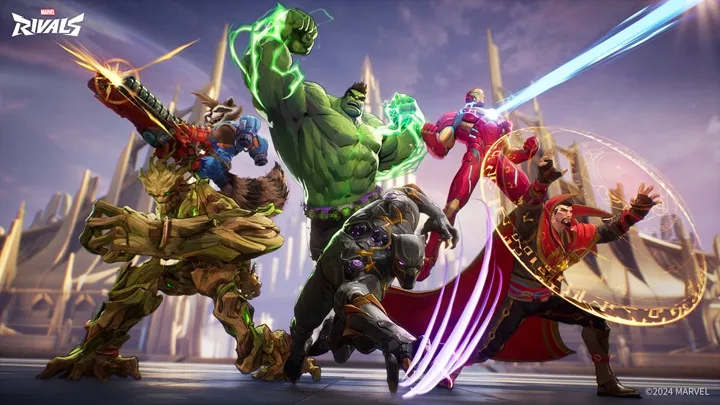
As a rapidly growing hot game, the future of Marvel Rivals looks promising. The most likely developments include new heroes, expanded maps, story modes, and more structured esports pathways.
The developers appear attentive to community feedback, which bodes well for balance and long-term viability.
Expected developments
- New hero releases every season to diversify the meta.
- Story or PvE modes that flesh out the Marvel universe inside the game.
- Formal ranked seasons and tournament support to bolster the competitive scene.