.webp)

Metaphor: ReFantazio presents itself as a fantasy role-playing game, yet its ambitions extend far beyond combat systems or worldbuilding spectacle. Developed with the creative DNA of Atlus’ most psychologically complex works, the game introduces the Archetype system as a replacement for traditional class structures. At first glance, Archetypes appear to be flexible combat roles that players can switch and develop freely. However, extended play reveals that Archetypes are not neutral mechanical tools. They function as ideological positions, emotional expressions, and political statements within the game’s world. This article examines how Metaphor: ReFantazio transforms class selection into a layered system of narrative pressure, forcing players to confront identity, belief, and responsibility through gameplay mechanics.
1. The First Archetype and the Illusion of Freedom
The player’s first encounter with Archetypes suggests openness.
Early tutorials emphasize adaptability, encouraging experimentation without visible consequence. Switching Archetypes feels reversible and safe.
This illusion of freedom establishes trust, allowing players to believe they are optimizing for combat efficiency rather than narrative alignment.
2. Archetypes as Psychological Mirrors
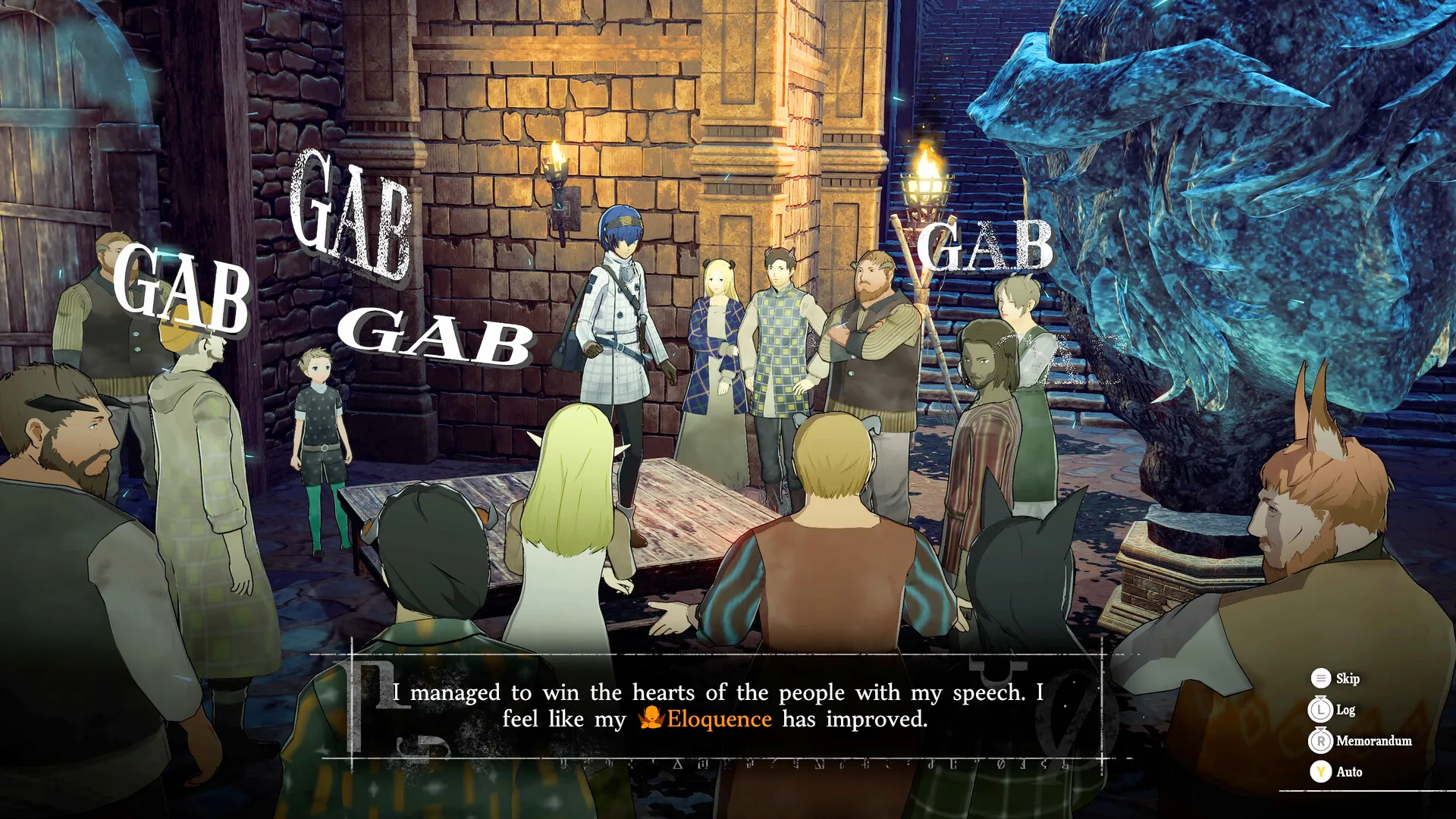
Each Archetype embodies a worldview.
They are not simply combat roles but manifestations of fear, ambition, faith, or defiance. Choosing one reflects an internal stance toward the world’s instability.
Identity through mechanics
The game quietly teaches players that how they fight represents how they think.
3. Party Composition and Ideological Tension
Archetypes do not exist in isolation.
Party members react emotionally and narratively to the player’s dominant Archetype choices. Synergy bonuses coexist with ideological friction.
Mechanical disagreement
Even optimal party builds can generate narrative discomfort, reinforcing tension between effectiveness and belief.
4. Narrative Branching Through Class Emphasis
Metaphor rarely locks content behind binary choices.
Instead, it tracks long-term Archetype investment, subtly altering dialogue, faction responses, and story tone.
This creates narrative branches driven by consistency rather than explicit decisions.
5. Combat Design Reinforcing Belief Systems
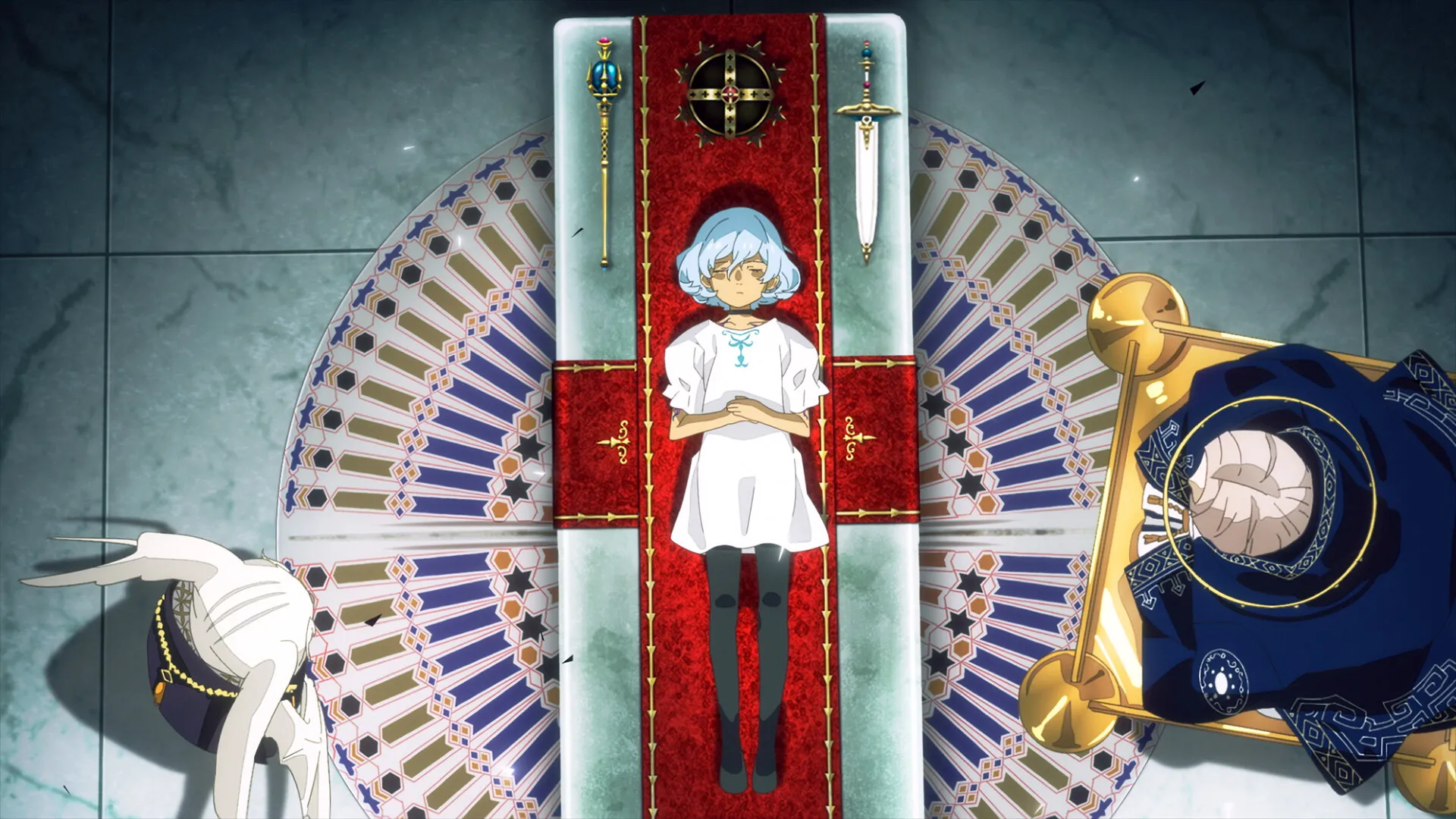
Enemy encounters are structured to challenge Archetype philosophies.
Some battles reward aggression, others patience, sacrifice, or restraint.
Ideology under pressure
When an Archetype fails mechanically, it feels like a belief being tested rather than a build mistake.
6. Archetype Progression and Emotional Commitment
Advancing an Archetype requires time and focus.
Progression systems discourage shallow experimentation, pushing players toward specialization.
Sunk cost identity
The deeper players invest, the harder it becomes emotionally to abandon an Archetype, even when alternatives are stronger.
7. Social Systems as Ideological Feedback
NPC relationships respond to Archetype alignment.
Some characters resonate with certain philosophies, while others resist or challenge them.
This transforms social progression into a referendum on the player’s ideological consistency.
8. Political Structures Embedded in Mechanics
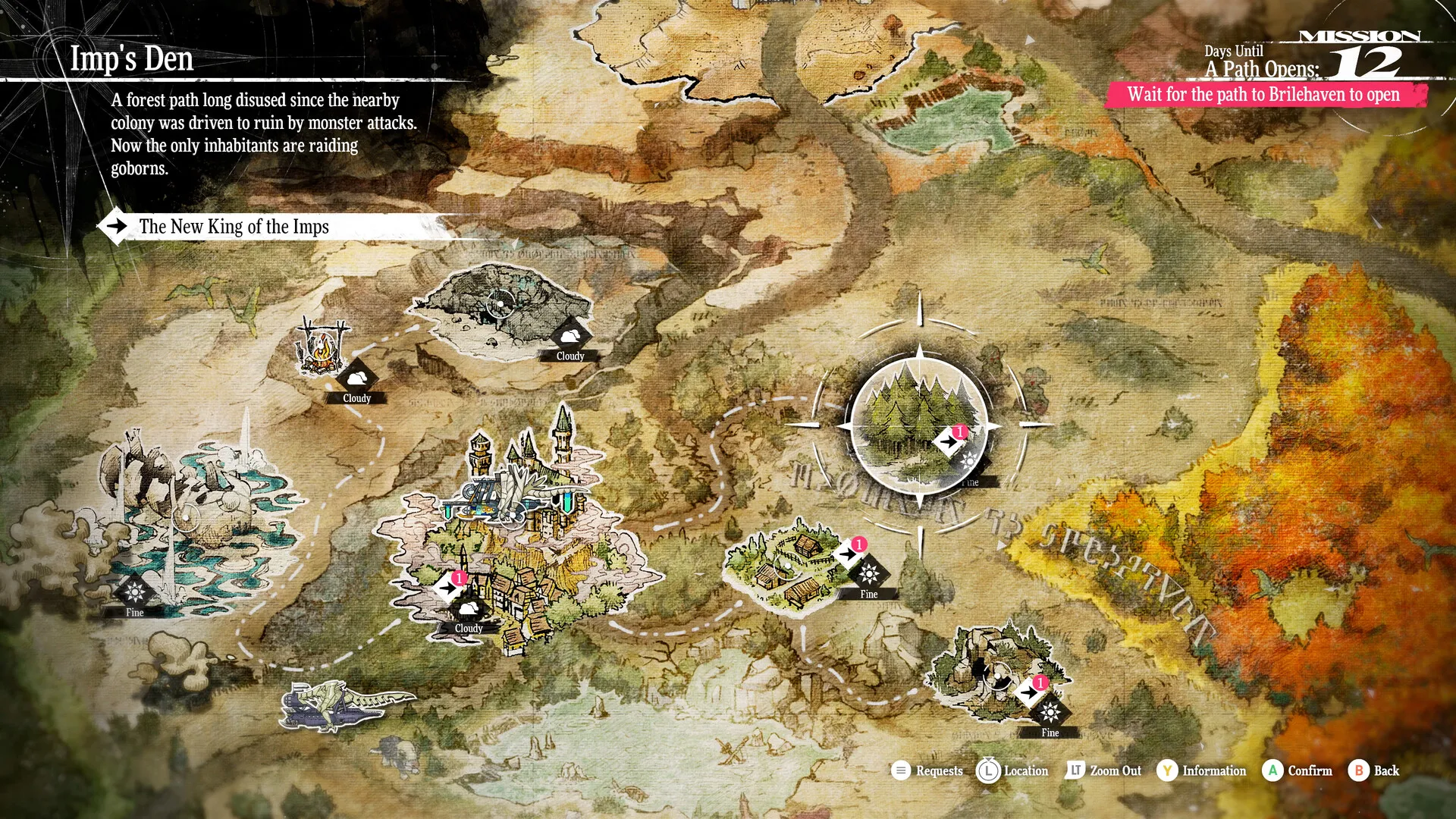
The world of Metaphor is defined by conflict between governance models.
Archetypes align implicitly with these structures, tying combat roles to political outcomes.
Systems as statements
The game refuses to separate gameplay efficiency from political consequence.
9. Late-Game Revelation of Archetype Consequences
In the later stages, Archetype alignment crystallizes.
Story arcs resolve differently based on long-term commitment rather than momentary choice.
This retroactively reframes earlier decisions, revealing how deeply mechanics have shaped narrative trajectory.
10. Why the Archetype System Feels Uncomfortably Personal
Unlike traditional class systems, Archetypes demand introspection.
Players recognize their own preferences reflected in repeated choices.
When play becomes self-examination
The game blurs the boundary between role-playing and personal belief.
Conclusion
Metaphor: ReFantazio transforms the familiar concept of class selection into a vehicle for ideological expression. Through its Archetype system, the game embeds belief, psychology, and politics directly into mechanics, ensuring that combat choices carry narrative weight. By refusing to separate optimization from identity, Metaphor challenges players to confront not only how they play, but why they play that way. In doing so, it establishes itself as a role-playing experience where mechanics are inseparable from meaning.