.webp)






NARAKA: BLADEPOINT is a fast-paced, skill-intensive battle royale built around melee combat, unpredictable movement, and quick decision-making. Instead of relying on firearms or long-range weapons, the game rewards players who understand timing, spacing, mind games, and mobility. For new players, the game can feel chaotic, overwhelming, and even unfair—especially when facing experienced opponents who can parry, dodge, and punish every mistake. But improvement is absolutely possible, and with the right approach, any player can go from surviving randomly to fighting with control, confidence, and intention. This guide breaks down the essential skills you need to master NARAKA: BLADEPOINT step by step, teaching you how to fight smarter, move better, and become a dangerous and consistent competitor.
Section 1 – Understanding the Core Philosophy of NARAKA Combat
The heart of NARAKA combat lies in timing and prediction. Battles do not revolve around spamming attacks or hoping for lucky hits; instead, every encounter is a psychological duel where you read your opponent’s patterns, bait them into mistakes, and control the pace. Success comes from patience: knowing when to strike, when to parry, when to dodge, and when to disengage entirely.
Many beginners lose because they rush. They chase aggressively, mash buttons, or panic when pressured. The first step in improving is to slow your mind down and view each fight as a sequence of intentional decisions. When you enter combat with a calm, analytical mindset, your reactions become faster, and your choices become clearer. NARAKA rewards players who think before they swing, who observe animations, and who understand that discipline beats chaos in almost every fight.
Section 2 – Mastering Movement: The Foundation of Survival
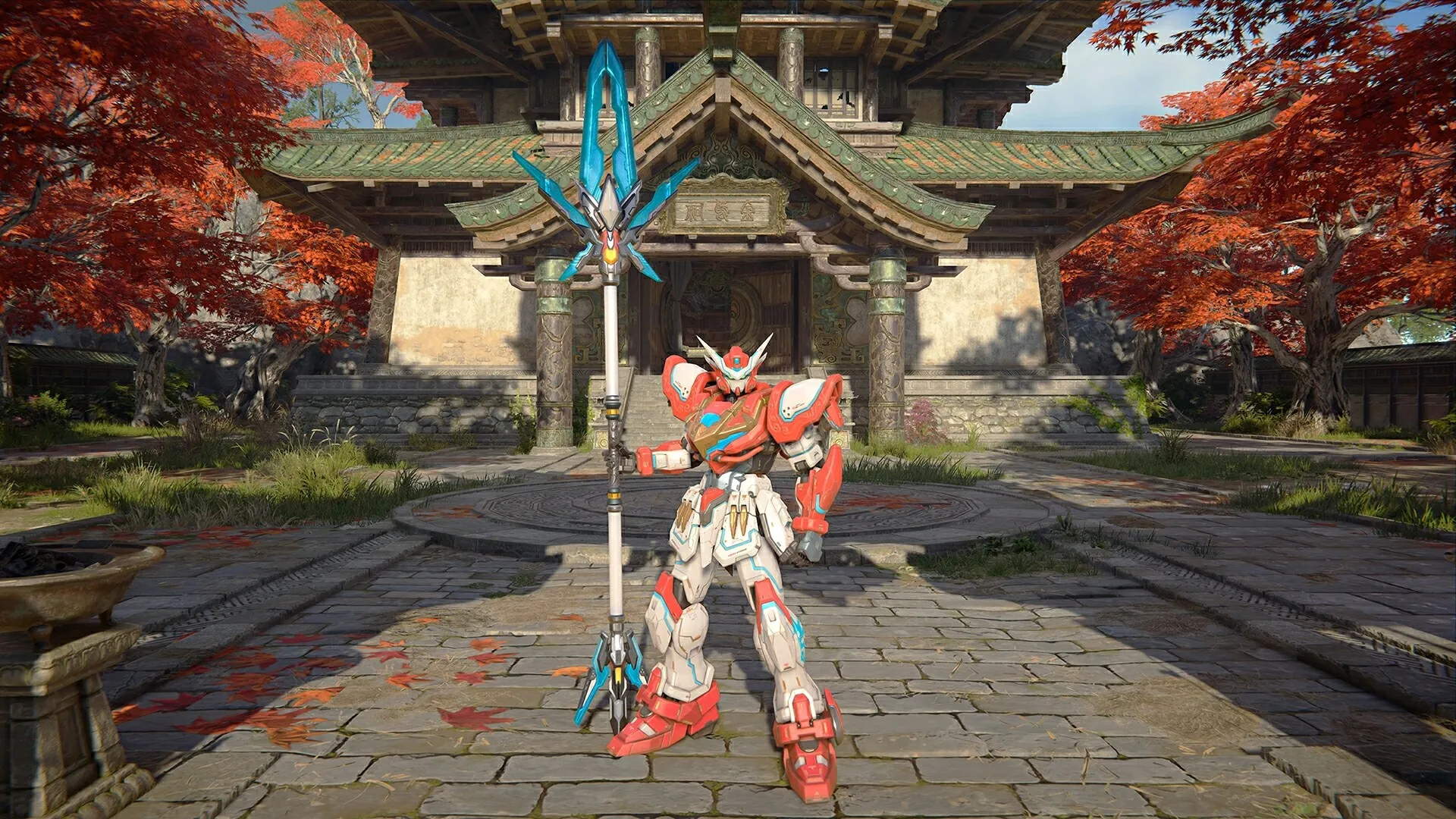
Movement is your greatest defensive tool, and great movement is often the difference between life and death. In NARAKA, mobility is not just dodging; it’s about using parkour, grapples, verticality, and momentum to outmaneuver enemies before they even reach you. Good players constantly reposition, making themselves unpredictable targets.
Wall running, sliding, and grappling are mechanics you must use not occasionally but constantly. One of the best ways to improve is practicing grapples: learning the correct distance, the right timing, and how to chain grapples to chase or escape. A strong movement habit is to reposition after every exchange—never stay in the same spot for more than a couple of seconds. If your opponent always has to guess where you will move next, they cannot easily punish or trap you. When your movement becomes fluid, everything else in your gameplay improves effortlessly.
Section 3 – Learning the Weapons and Their Animations
Every weapon in NARAKA has a personality. Their speed, range, startup animations, and combo routes determine how they should be used. You can't treat a katana the same way you treat a spear or dagger; mastery requires studying the behavior of each weapon.
Start with two or three weapons you feel comfortable with and learn their timing deeply. Focus on understanding animation cues: the beginning of a parry attack, the moment a charged strike releases, and the recovery frames of common combos. Knowing these details allows you to spot openings and punish opponents consistently. Advanced players don’t win because they hit harder; they win because they know exactly when their opponent is vulnerable. Once your mind begins to recognize animations automatically, your combat reads become sharper, and your confidence in fights skyrockets.
Section 4 – The Art of Parrying and Punishing
Parrying is the strongest mechanic in NARAKA and also the hardest for beginners. A successful parry instantly turns the tide of battle, interrupting your opponent and giving you a guaranteed counterattack. But parrying blindly is a common mistake. Instead, you should look for patterns: when your opponent uses blue focus attacks, when they charge, or when they commit to predictable combos.
The key to improving parry consistency is staying patient. Watch your opponent’s habits. Many players attack after every dodge, or they like using the same charged attack repeatedly. Use these habits to your advantage. You don’t need to parry every move—just the moves your opponent repeats. Once you land the parry, follow up with the strongest punish available for your weapon. Mastering this mechanic transforms you from a beginner into a real threat, because opponents can no longer mindlessly attack you without fear.
Section 5 – Developing Clean Combos and Proper Spacing
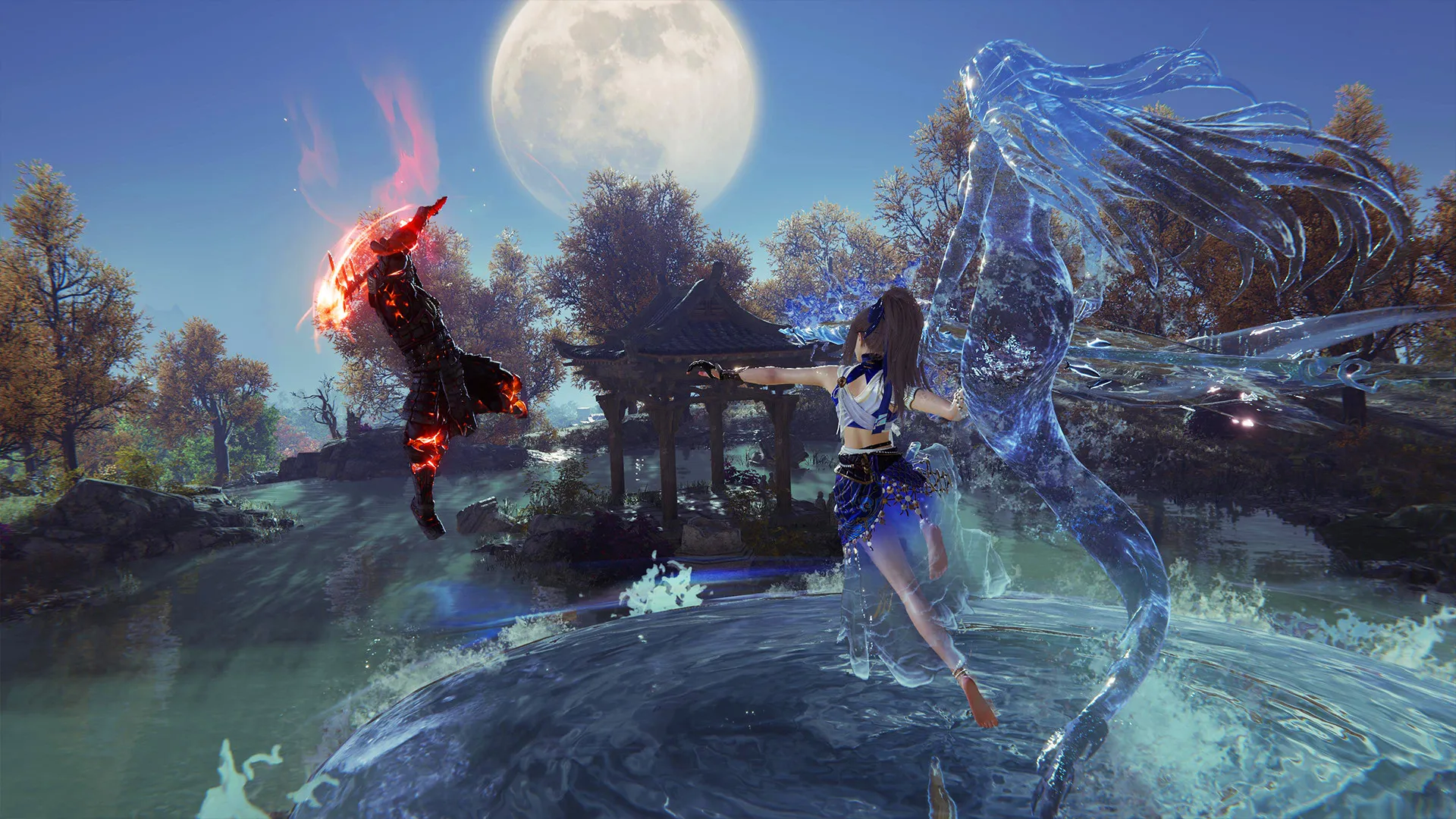
Spacing is one of the most underrated skills in NARAKA. It involves positioning yourself so your attacks hit while your opponent’s attacks whiff. This requires awareness of weapon ranges and precise footwork. Spears dominate at medium distance, katanas excel at close control, and daggers thrive when darting in and out rapidly.
To improve spacing, practice moving while attacking instead of standing still. Learn the reach of your strikes and observe exactly how far you can hit. Once you understand your weapon’s range, you can bait opponents into missing their attacks, creating easy punish opportunities. After spacing comes combos: your offensive path after landing a clean hit. Practice strings that are reliable, quick, and hard to escape. The best players don’t use long fancy combos—they use efficient sequences that reset pressure and stay safe.
Section 6 – Using Grappling Hooks Intelligently
Grappling hooks are not just mobility tools—they are strategic weapons. Many new players waste hooks by chasing every enemy, leaving themselves empty when the fight becomes dangerous. Smart players use grapples deliberately.
Offensively, grapples help you close distance at angles that surprise your opponent. Instead of grappling straight toward them, try grappling from the side or slightly above, making it harder for them to parry your approach. Defensively, grapples allow you to escape at the perfect moment when an opponent overcommits. The trick is discipline: never use grapples unnecessarily. Always keep at least one hook saved for emergencies. When you learn timing, direction, and purpose, grapples become one of the strongest tools in your arsenal.
Section 7 – Understanding Heroes, Ultimates, and Team Synergy
Heroes in NARAKA are not interchangeable; each has unique skills, strengths, and weaknesses. Improving requires learning how your hero’s abilities fit your playstyle. For example, Yoto Hime dominates close-quarters engagements, while Matari excels at stealth, repositioning, and surprise attacks. Some heroes are burst-focused, others defensive, and others specialize in crowd control or mobility.
If you play trio mode, synergy becomes even more important. Combining ultimates, setting traps, or coordinating initiations drastically increases your team’s strength. A team with strong communication can wipe entire squads in seconds. Learning how your hero contributes to team fights, which heroes complement your abilities, and when to use ultimates makes your gameplay more structured and powerful.
Section 8 – Smart Item Management and Armor Upgrading
Looting efficiently is essential in NARAKA. Many beginners spend too much time looting instead of preparing for fights. Prioritize armor upgrades and repair items immediately after landing. You should always know how many armor plates you have, how many grapples remain, and whether your weapon durability is dropping. Engaging fights with poor durability or low armor is a common beginner mistake that leads to unnecessary deaths.
Upgrade your armor as early as possible, especially chest and helmet pieces. Victory often comes down to who has better gear. Consumables also matter: save healing items for between fights, but keep armor plates ready mid-combat if needed. The strongest players always enter engagements fully prepared, which gives them confidence and stability during battle.
Section 9 – Playing With Patience and Choosing Fights Wisely
One of the biggest differences between skilled and unskilled players is fight selection. Not every encounter is worth taking. If you dive into the center of multiple enemies or chase blindly through open areas, you allow other players to third-party you easily. Improving means learning when to avoid fights, when to disengage, and when to pick off isolated targets.
The best strategy is to observe before attacking. Wait for opponents to commit to other fights, then engage when you have an advantage. Likewise, if a fight drags too long or attracts other players, escape immediately using grapples and movement. Survival in NARAKA requires awareness. If you become more selective and strategic about your engagements, your win rate and match consistency improve dramatically.
Section 10 – Long-Term Practice, Discipline, and Growth
Improving at NARAKA takes time. The game has a steep learning curve, and mastery does not happen overnight. But progress becomes much faster once you create a structured practice routine. You can train parry timing in the training room, practice grappling routes on the map, experiment with weapon combos, and review your fights to identify mistakes.
Discipline is the key. Practicing 10 minutes a day consistently is far more valuable than playing randomly for hours. Over time, your muscle memory strengthens, your reactions sharpen, and your understanding of the game's flow becomes natural. Eventually, you'll win not because you are lucky but because your skill, awareness, and decision-making have matured.
NARAKA: BLADEPOINT is a game of precision, timing, mobility, and discipline. Improving requires mastering movement, learning weapons, understanding parries, preparing intelligently, and controlling the psychological flow of each fight. With dedication, patience, and consistent practice, you can rise above guesswork and randomness, achieving the confidence and skill needed to win battles and dominate lobbies regularly.