.webp)




Delta Force is not a game designed for casual run-and-gun players. It is a tactical shooter built on realism, patience, and calculated decision-making. Unlike modern arcade-style FPS titles, Delta Force demands that players think like real operators: analyzing terrain, managing risk, coordinating with teammates, and choosing battles carefully. Winning consistently is not about fast reflexes alone, but about understanding systems, reading the battlefield, and adapting over time.
This article focuses deeply on tips and guides for Delta Force, moving far beyond beginner advice. The structure follows a logical progression from early-game learning to late-game mastery, covering ten major tactical areas. Each section builds on the previous one, reflecting how real skill development happens in Delta Force. If you want to stop surviving by luck and start dominating through strategy, this guide is written for you.
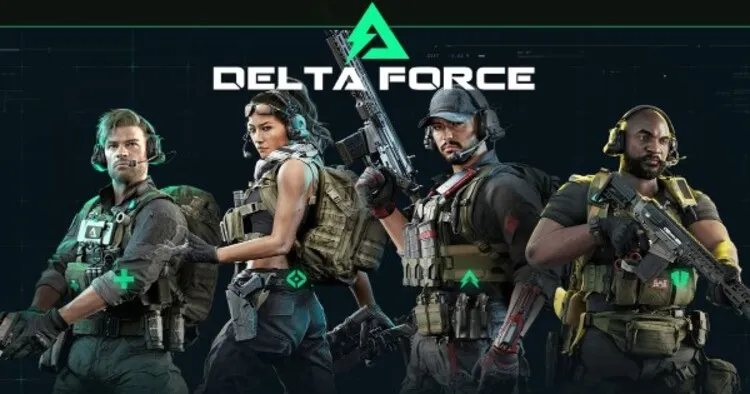
1. The Tactical Core of Delta Force
Delta Force is built on military realism rather than cinematic heroics. Every mechanic reinforces this philosophy. Weapons have weight, movement has consequences, and poor positioning is punished instantly. Understanding this core design is essential before any advanced improvement can happen.
The most important mental shift is abandoning the idea that kills equal success. Delta Force rewards mission completion, area control, and survival. Players who chase kills often reveal their positions, waste resources, and compromise their team’s objectives. The strongest players view combat as a tool, not the goal itself.
Thinking Like an Operator
An operator plans before acting. In Delta Force, this means scanning terrain, predicting enemy movement, and considering escape routes before firing a single shot. Decisions should always be based on information, not impulse.
Core mindset principles
- Play objectives, not the scoreboard
- Avoid unnecessary engagements
- Value positioning more than aggression
2. Early-Game Survival and Learning the Battlefield
The early stage of your Delta Force experience is defined by survival and observation. Many players fail here because they try to perform at a high level without understanding the maps. Large-scale environments punish ignorance more than poor aim.
Instead of rushing forward, use early matches to gather knowledge. Treat each map like a living system where enemies flow through predictable routes. Learning this information early pays dividends later.
Efficient Map Learning
Rather than memorizing every corner, focus on key terrain features. High ground, open kill zones, choke points, and covered routes form the backbone of every map. Once you understand these, everything else becomes easier.
Early-game priorities
- Identify sniper sightlines
- Learn safe movement paths
- Observe enemy reinforcement routes
3. Weapon Choice and Loadout Strategy
Weapons in Delta Force are tools designed for specific tasks. Choosing a weapon because it “feels good” is a mistake if it does not match the map or mission type. Every loadout should be chosen deliberately.
A well-built loadout supports your role within the squad. It should complement teammates rather than duplicate them. Balance is more important than personal preference.
Matching Weapons to Combat Distance
Engagement distance defines weapon effectiveness. Long-range rifles dominate open terrain, while compact weapons shine in dense environments. Bringing the wrong weapon puts you at an immediate disadvantage.
Loadout planning essentials
- Primary weapon matched to map size
- Reliable secondary weapon
- Equipment that supports your role
4. Movement Discipline and Positioning
Movement in Delta Force is a discipline, not a reflex. Sprinting constantly is one of the fastest ways to die. Noise, visibility, and reduced reaction time all work against careless movement.
Advanced players move with purpose. They stop often, scan frequently, and reposition intelligently. This methodical approach dramatically increases survivability.
Controlling Exposure
Every movement should minimize exposure to unknown angles. Crossing open ground without overwatch is a gamble that experienced players rarely take.
Positioning fundamentals
- Move from cover to cover
- Avoid silhouetting on ridges
- Change position after engagements
5. Combat Execution and Fire Discipline
Delta Force rewards players who know when not to shoot. Firing unnecessarily reveals your position and attracts enemies from across the map. Every shot should have intent.
Fire discipline separates veterans from novices. Experienced players wait for clean shots and favorable conditions rather than forcing engagements.
Choosing the Right Moment to Engage
Patience often creates better opportunities. Allowing enemies to pass can preserve stealth and lead to higher-impact engagements later.
Fire discipline rules
- Shoot only when you can finish the fight
- Use controlled bursts
- Relocate immediately after firing
6. Squad Coordination and Role Definition
Delta Force is at its best when played as a team. Lone players struggle against organized squads that communicate and support each other. Coordination multiplies individual effectiveness.
Each squad member should understand their role and avoid overlapping responsibilities. Clear structure improves reaction speed and reduces confusion.
Communication That Wins Matches
Effective communication is concise and informative. Long explanations during combat are useless. Good callouts provide direction, distance, and threat level.
Common squad roles
- Scout for reconnaissance
- Support for suppression
- Overwatch for long-range control
7. Mid-Game Adaptation and Tactical Shifts
As matches progress, enemy behavior changes. Areas that were safe early may become contested. Strong players recognize these shifts and adapt before being punished.
Rigid strategies fail in Delta Force. Flexibility is essential for mid-game success.
Reading Enemy Behavior
Enemy movement patterns reveal intentions. A sudden increase in long-range fire or flanking attempts signals a tactical adjustment that you must counter.
Adaptation techniques
- Change routes frequently
- Adjust squad roles
- Anticipate counterattacks
8. Stealth, Reconnaissance, and Information Control
Stealth is one of the most powerful tools in Delta Force. Remaining unseen allows players to dictate engagements and gather critical intelligence.
Information wins battles before shots are fired. Recon-focused players often decide matches without being noticed.
Maintaining Stealth Advantage
Sound discipline, slow movement, and terrain usage keep you invisible. Avoid unnecessary actions that reveal your position.
Stealth best practices
- Move slowly near enemy zones
- Observe before engaging
- Share intel with your squad
9. Late-Game Strategy and Objective Control
Late-game Delta Force is unforgiving. Resources are limited, and mistakes are costly. At this stage, smart positioning matters more than aggressive play.
Winning late-game scenarios often means denying the enemy options rather than seeking direct confrontation.
Securing the Endgame
Control key terrain and force enemies into predictable paths. This minimizes risk while maximizing tactical advantage.
Endgame priorities
- Hold high-value positions
- Maintain squad cohesion
- Avoid unnecessary risks
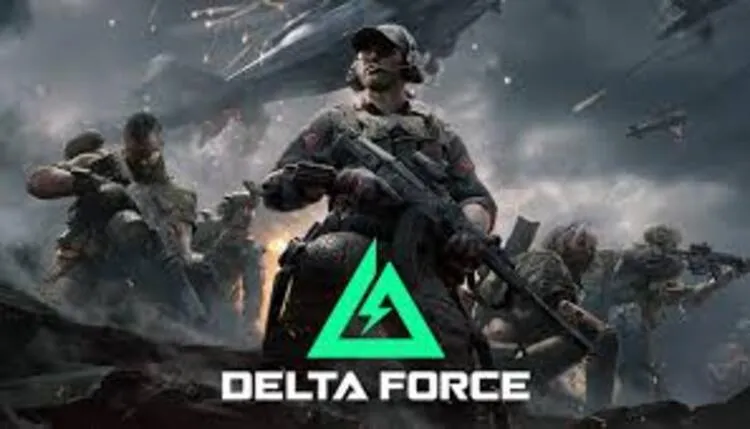
10. Breaking Bad Habits and Long-Term Improvement
Many players plateau because they repeat the same mistakes. Improvement in Delta Force requires honest self-assessment and discipline.
Most failures come from impatience rather than lack of skill. Correcting habits is more impactful than learning new mechanics.
Eliminating Common Mistakes
Recognizing errors after each match accelerates growth. Progress comes from consistency, not shortcuts.
Frequent player mistakes
- Rushing without information
- Ignoring squad roles
- Staying exposed after firing