World War Legion – How to Build Armies, Control Battlefields, and Win the War
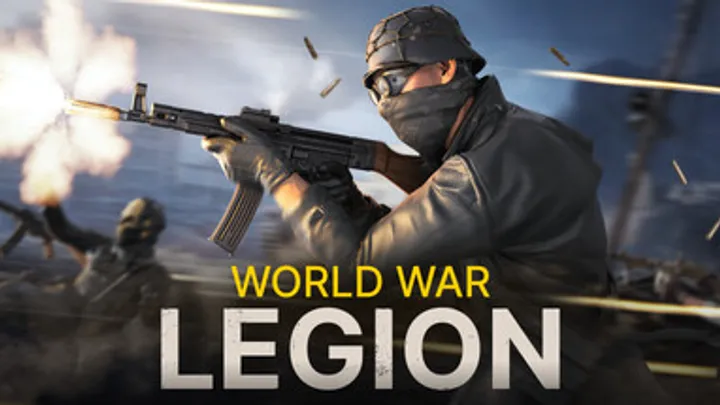
World War Legion is a large-scale strategy game that blends historical warfare with accessible mechanics and fast-paced decision-making. Instead of focusing on micro-level combat, the game challenges players to think like commanders—deploying units wisely, managing resources, and adapting tactics to changing battlefield conditions. Every battle is shaped by positioning, timing, and how well you understand your army’s strengths.
This guide is designed to help you move beyond basic play and develop a deeper understanding of World War Legion. You will learn how to build effective armies, control territory, upgrade units efficiently, and respond to enemy strategies. Whether you are just starting or trying to improve your win rate, this “how to” guide provides clear direction toward long-term success.
SECTION 1: How to Understand Core Gameplay and Battle Flow
At its core, World War Legion is about momentum. Battles unfold automatically once units are deployed, so preparation matters more than reflexes. Understanding how units advance, engage, and support each other allows you to predict outcomes before the fighting even begins.
Each match follows a clear flow: deployment, engagement, reinforcement, and resolution. Learning this rhythm helps you decide when to push aggressively and when to hold back. Skilled players anticipate enemy movements and deploy units that counter threats before they appear.

SECTION 2: How to Build a Balanced Army Composition
A successful army is never built around a single unit type. Infantry, armored vehicles, artillery, and air support all serve distinct roles. Infantry holds ground, armor breaks enemy lines, artillery provides area damage, and air units apply pressure across wide zones.
Balance is essential. An army overloaded with tanks may lack defense against air attacks, while infantry-heavy forces struggle against fortified positions. A well-rounded army ensures flexibility and reduces vulnerabilities in unpredictable battles.
SECTION 3: How to Deploy Units Strategically
Deployment is where matches are often won or lost. Placing units too close together makes them vulnerable to area damage, while spreading them too thin weakens frontline strength. Proper spacing creates layered defenses and sustained offensive pressure.
Think about terrain and lanes. Deploy tanks where they can push forward safely, keep artillery behind cover, and use infantry to screen valuable units. Strategic placement allows your army to survive longer and deal consistent damage.
SECTION 4: How to Upgrade Units Without Wasting Resources
Upgrading units increases combat effectiveness, but careless upgrades can drain resources quickly. Focus first on core units you use in most battles. Strengthening a reliable infantry unit often provides better returns than investing in niche options early.
Upgrade paths should align with your strategy. If you favor aggressive pushes, invest in damage and speed. If you prefer defense, prioritize durability and support capabilities. Purposeful upgrades create steady progress instead of random power spikes.

SECTION 5: How to Manage Resources and Progression
Resources fuel every aspect of growth in World War Legion. Gold, materials, and upgrade currency must be spent wisely to maintain momentum. Avoid rushing upgrades that leave you unable to deploy strong armies consistently.
Daily rewards, missions, and events are critical for long-term progression. Completing these activities ensures a steady income of resources, allowing you to grow without hitting progress walls later in the game.
SECTION 6: How to Counter Enemy Strategies Effectively
Every opponent follows patterns. Some rely on heavy armor, others spam infantry or air units. Identifying enemy tendencies early lets you deploy effective counters before the battle escalates.
If facing armored pushes, deploy anti-tank units or artillery. Against air-heavy strategies, invest in anti-air defenses. Adaptation is more powerful than raw strength, and flexible players consistently outperform rigid ones.
SECTION 7: How to Control the Battlefield and Objectives
Battlefield control determines long-term victory. Holding key positions forces enemies into unfavorable engagements and limits their deployment options. Use frontline units to secure territory while ranged units apply pressure from behind.
Objectives are often more important than total unit destruction. Maintaining control over strategic zones increases reinforcement effectiveness and weakens enemy advances. Smart positioning wins wars faster than reckless assaults.
SECTION 8: How to Improve Through Replays and Adjustments
Analyzing previous battles is one of the fastest ways to improve. Replays reveal mistakes in deployment, poor unit spacing, or inefficient upgrades. Learning from losses prevents repeating the same errors.
Adjust your strategy gradually. Change one element at a time—such as deployment order or unit mix—so you understand what improves results. Continuous refinement separates average commanders from elite ones.

SECTION 9: How to Handle Mid-Game and Late-Game Challenges
As you progress, enemies become stronger and battles grow more complex. Mid-game challenges require better army balance and smarter resource use. Late-game opponents punish poor positioning and weak upgrades.
At this stage, specialization matters. Focus on a refined core army with strong synergies instead of trying to upgrade everything equally. Consistency becomes more valuable than experimentation.
SECTION 10: How to Build Long-Term Success as a Commander
Long-term success in World War Legion comes from patience, planning, and adaptability. Avoid chasing short-term power and instead invest in systems that scale over time.
A disciplined approach—steady upgrades, balanced armies, and thoughtful deployment—creates unstoppable momentum. Over time, your strategic understanding will allow you to dominate battles with confidence and precision.
CONCLUSION
World War Legion rewards players who think ahead, adapt to opponents, and manage resources intelligently. Victory isn’t achieved through brute force alone but through careful planning, smart deployment, and continuous improvement. By mastering army composition, upgrades, and battlefield control, you can lead your forces to consistent victories and long-term dominance.