





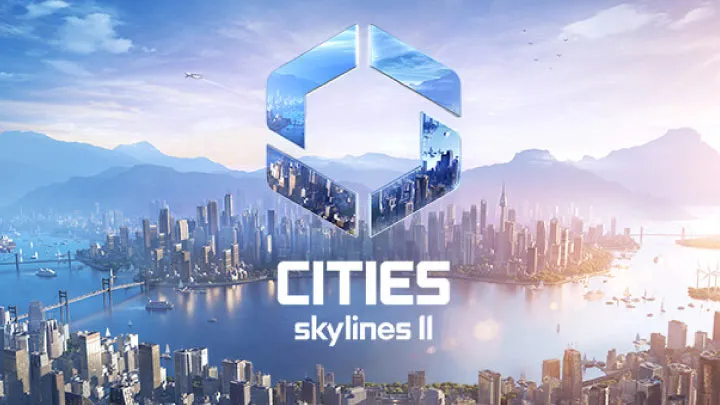
Cities: Skylines is a sophisticated city-building simulation game developed by Colossal Order and published by Paradox Interactive. Since its release, it has gained immense popularity for its deep mechanics, extensive customization options, and engaging gameplay. Players can create cities from scratch, manage resources, and face the complexities of urban planning. In this guide, we'll provide essential tips and strategies that will help you build a thriving metropolis, from the early stages of development to advanced city management.
Getting Started: Setting Up Your City
The first steps in Cities: Skylines are crucial for laying the foundation of a successful city.
Choosing the Right Map
Selecting a suitable map is vital for the long-term success of your city:
- Resource Availability: Look for maps with abundant resources like water, fertile land, and forested areas. These will be essential for industry and agriculture.
- Geography: Consider the geography of the map. Mountains and rivers can influence city layout and transport, while flat areas may be easier for building infrastructure.
Understanding City Services
As you begin, it’s essential to understand the importance of city services:
- Basic Services: Start by providing essential services such as water, electricity, and waste management. These will keep your citizens happy and healthy.
- Zoning: Remember to zone areas for residential, commercial, and industrial purposes. The right mix will ensure balanced growth.
Urban Planning Fundamentals
Once you've set up your initial city, effective urban planning becomes critical.
Efficient Road Layouts
Creating an efficient road network can reduce traffic congestion and improve accessibility:
- Grid Patterns vs. Organic Layouts: Decide whether you want a grid layout for efficiency or organic layouts that fit the natural landscape. Each has its pros and cons.
- Traffic Circulation: Use roundabouts and intersections wisely to manage traffic flow and reduce bottlenecks.
Zoning Strategies
Zoning defines how land is used and is crucial for your city’s growth:
- Balanced Zoning: Aim for a balanced mix of residential, commercial, and industrial zones. Too much of one type can lead to problems like high unemployment or overpopulated areas.
- Density Management: As your city grows, consider transitioning from low-density to high-density zones to increase population and economic growth effectively.
Resource Management and Economy
Managing resources effectively is key to a thriving city economy.
Budgeting Basics
Understanding the budgeting system is vital for maintaining city finances:
- Setting Tax Rates: Adjust taxes based on the needs of your city. Lower taxes can encourage growth, while higher taxes may provide more revenue.
- Manage Spending: Keep an eye on city expenditure and adjust spending on services like education, healthcare, and public transport as needed.
Industry and Commerce Balance
Establishing a thriving economy requires balancing your industry and commercial zones:
- Industrial Zones: Develop industrial areas to create jobs and produce goods. Consider the use of specialized industries to cater to specific demands.
- Commercial Zones: Ensure commercial zones are well-placed for accessibility. These areas will provide services to residents and generate tax revenue.
Advanced Transportation Solutions
As your city grows, developing an effective transportation system is essential.
Public Transport Options
Implementing public transport can reduce traffic and improve mobility:
- Buses and Trams: Use buses and trams to connect different city areas. Create dedicated lanes to improve efficiency and reduce delays.
- Metro Systems: Building a metro system can significantly ease traffic in densely populated areas, providing quick access to different parts of the city.
Road Infrastructure
Upgrade your road infrastructure as your city expands:
- Expressways: Construct expressways for faster travel between different city parts and to handle increased traffic volume.
- Pedestrian Paths: Incorporate pedestrian paths and bike lanes to encourage eco-friendly transport. This can help reduce congestion and promote healthy lifestyles.
Managing City Services
As your city grows, the quality and management of services become increasingly critical.
Health Services
A healthy population is crucial for maintaining productivity:
- Distributing Healthcare: Place hospitals and clinics strategically to cover residential areas efficiently. Avoid having too many in one area.
- Monitoring Health: Keep an eye on health statistics. If there are complaints about services, consider increasing funding or building additional facilities.
Education System
An educated populace contributes to economic growth and overall well-being:
- Schools: Establish primary and secondary schools. Balance their locations to ensure all residential areas have access to education.
- Higher Education: Consider building universities to enhance educational opportunities and foster innovation in your city.
Dealing with Challenges
In Cities: Skylines, you will encounter various challenges that require strategic solutions.
Managing Disasters
Natural disasters can occur and wreak havoc on your city:
- Emergency Services: Ensure emergency services are well-distributed and prepared for disasters. Consider building fire stations and police departments in high-risk areas.
- Disaster Response Plans: Create specific plans for disaster recovery, such as setting up evacuation routes and rebuilding strategies.
Traffic Congestion
Traffic management becomes increasingly important as your city grows:
- Analyze Traffic Patterns: Use the traffic overlay tool to identify congestion points and adjust routes or traffic signals accordingly.
- Enhancing Connectivity: Build new roads or expand existing ones to improve connectivity. Consider adjusting public transport routes based on traffic patterns.
Enhancing City Aesthetics
A visually appealing city attracts residents and tourists alike.
Park and Recreation Areas
Creating parks and green spaces enhances city aesthetics and provides recreation opportunities:
- Parks and Plazas: Incorporate parks and plazas to improve land value and provide relaxation spots for citizens.
- Incorporate Nature: Use natural environments like forests and lakes to create serene spaces within urban settings.
Artistic Elements
Adding artistic elements can further enhance the beauty of your city:
- Public Art: Commission statues, murals, and other public artworks to give your city character and charm.
- Unique Buildings: Build unique or thematic structures to set your city apart from others, adding to its identity.
Engaging with the Community
Connecting with the Cities: Skylines community can enhance your gameplay experience.
Online Resources
- Forums and Communities: Engage with other players through forums or social media platforms to share strategies, designs, and experiences.
- YouTube and Twitch: Watching gameplay on platforms like YouTube or Twitch can provide insights into advanced strategies and creative city designs.
Community Challenges and Mods
Participate in community-driven activities to broaden your experience:
- Building Challenges: Join community challenges that encourage creativity and new ways to approach city design.
- Explore Mods: The modding community offers numerous mods that can enhance or change gameplay mechanics. Explore different mods to find what suits your style.
Post-Game: Continued Development
After reaching significant milestones, the city continues to evolve:
Long-Term Planning
- Future Expansion: Always plan for future expansions. Consider the long-term implications of your current designs and infrastructure.
- Sustainability: Think about sustainable practices for housing, industries, and energy sources, promoting a healthier impact on the environment.
Keeping the Game Fresh
- Introductions of New Features: Stay updated with new expansions or content updates to keep your city-building experience engaging.
- Self-Imposed Challenges: Create self-imposed challenges to rethink your strategies and keep the gameplay fresh.
Conclusion
Cities: Skylines offers a robust and rewarding city-building experience that encourages creativity, planning, and problem-solving. By understanding the core mechanics, effectively managing resources, planning your city layout, and addressing challenges, players can craft thriving urban environments. The game's depth allows for endless customization and experimentation, making every playthrough unique. Engage with your community, embrace new content, and continue to develop your city into a bustling and vibrant metropolis. Enjoy the journey of city building in Cities: Skylines, where every decision shapes your world.