.webp)



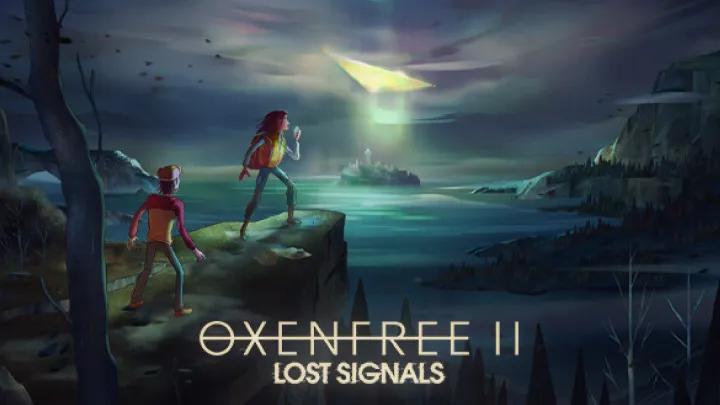
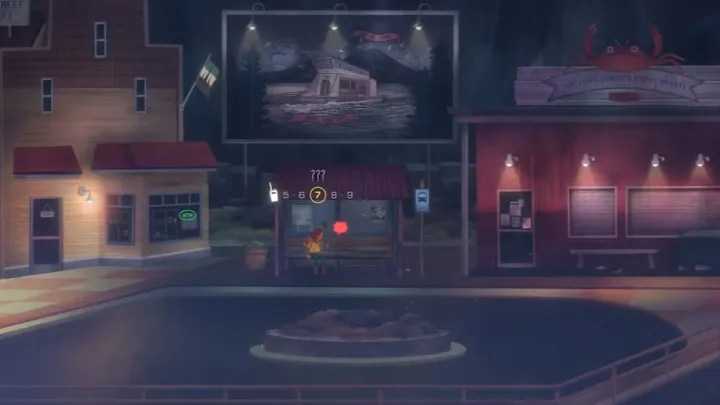
Oxenfree II: Lost Signals is widely praised for its atmospheric tension, haunting radio mechanics, and emotional storytelling. But beneath its supernatural charm lies one of the game’s most debated issues: its fragmented handling of time loops and player choice continuity. While Oxenfree II attempts to elevate the original game’s time mechanics, many players found themselves questioning whether the game’s narrative truly adapts to their decisions—or whether the loops overwrite too much of the player's agency.
This article dives deeply into that single issue: how time-loop fragmentation shapes the story, affects character arcs, alters pacing, and ultimately influences the game’s emotional payoff.
1. The Foundations of a Fractured Timeline
The Setup of the Time Loop System
Oxenfree II introduces a time-loop narrative where the protagonist Riley Poverly repeatedly encounters glitches, echoes, and temporal fractures. While this is thematically consistent with supernatural interference, the structure creates a foundation that often feels unstable.
Early Signs of Fragmentation
Right from the opening chapters, players notice that certain choices seem to dissolve the moment the loop resets. Some dialogue threads come back, others do not, creating the impression that the past matters only selectively. This sets the tone for a narrative that fluctuates between reactive and predetermined, depending on how the loop behaves.
2. When Choice Meets Predestination
The Illusion of Consequence
Oxenfree II attempts to balance player choice with inevitable supernatural events. However, the game’s loop mechanism sometimes nullifies earlier decisions, creating a disconnect between intention and outcome.
Where Decisions Disappear
Players have noted moments where responses to characters like Jacob or Olivia seem to vanish after a loop-triggered reset. This is not only immersion-breaking—it undermines the emotional trajectory the game tries to build.
3. The Emotional Weight That Slips Through the Cracks
Character Bonds Interrupted
Riley’s emotional journey depends heavily on how she communicates with Jacob and the ghosts of her past. Yet, the fragmented loops often reset or flatten emotional build-up.
Impact on Player Investment
When heartfelt moments are undone—or repeated with only minimal changes—the bond feels artificial. The emotional stakes, highly dependent on continuity, weaken with every fractured loop.
4. Dialogue Repetition and Narrative Fatigue
Echoes That Shouldn’t Echo
While repetition is part of time-loop storytelling, Oxenfree II leans too heavily into it without adding sufficient variation. This leads to a sense of narrative fatigue halfway through the game.
What Players Report
Repeated lines, re-triggered conversations, and recycled reactions create the feeling of artificial padding.
- Replayed conversations with Jacob
- Re-triggered Olivia interruptions
- Identical radio anomalies
5. The Radio Mechanic: A Tool That Complicates Time Loops
When Innovation Conflicts With Structure
The radio mechanic—one of the franchise’s staples—plays a larger role in Oxenfree II. However, its interaction with time loops sometimes introduces unintentional inconsistency.
Signal-Based Loop Triggers
Some loops trigger due to radio frequency misuse or supernatural feedback, but these triggers do not always align narratively. Players often feel surprised not by the plot—but by unclear mechanics.
6. Jacob’s Arc and the Continuity Paradox
The Supporting Character Most Affected
Jacob is one of the most emotionally rich characters in the game, yet his development suffers the most from timeline fragmentation.
A Relationship That Resets Too Often
Moments of vulnerability between Jacob and Riley sometimes disappear after loops, causing players to replay emotional beats without progression. The feeling of “we already talked about this” becomes unavoidable.
7. Pacing Issues Caused by Temporal Instability
When Loops Interrupt Momentum
Narrative pacing is crucial in a story-heavy game. Unfortunately, Oxenfree II’s time loops often disrupt momentum at the worst possible times.
Examples of Interrupted Flow
Climactic scenes are suddenly halted by temporal distortion. The player is thrown backward, forced to re-navigate earlier environments. While atmospheric, this disrupts tension instead of heightening it.
8. Player Agency Versus Canon Ending
The Unavoidable Outcome
By the end, Oxenfree II funnels the player toward a small number of outcomes that feel predetermined. The fragmented loops condition the player to expect their choices to be overwritten.
Why This Disconnect Matters
Even though the emotional payoff is meaningful, the game subtly communicates that the universe will correct itself regardless of your decisions. This undermines the central promise of interactive narrative.
9. The Original Oxenfree Did It Better—But Why?
Why Players Compare the Two Systems
The first game built a tighter loop structure, where changes had clearer long-term effects. Oxenfree II expands the world but dilutes the continuity.
Strengths of the First Game
- More consistent cause-and-effect paths
- Stronger emotional build toward the ending
- Cleaner loop transitions
By contrast, the sequel introduces more variables without checking whether they align with the player’s emotional journey.
10. Can Fragmentation Be Fixed in Future Installments?
What Night School Studio Could Improve
Despite its flaws, Oxenfree II lays groundwork for future time-based narratives. A third installment—or a patch—could address the current fragmentation issues.
Possible Improvements
- More persistent memory across loops
- Expanded variations in repeated scenes
- Clearer rules for radio-triggered events
- Character arcs that survive resets
If refined, the franchise could offer one of the most emotionally resonant time-loop systems in gaming.
Conclusion
Oxenfree II: Lost Signals is a beautiful, atmospheric journey with a compelling cast and haunting supernatural tension. But its biggest flaw—the fragmented handling of time loops—undercuts emotional investment and narrative cohesion. By resetting too many choices, repeating too many conversations, and obscuring the logic behind temporal shifts, the game risks pulling players out of its immersive world.
Still, within this fragmented structure lies enormous potential. If future entries refine the balance between loop mechanics and character continuity, Oxenfree could evolve into one of gaming’s greatest narrative trilogies.