Quarantine Zone: The Last Check – How to Control the Border and Survive the Outbreak
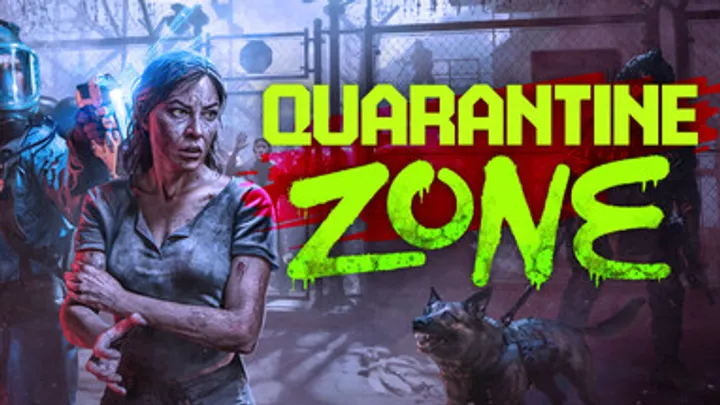
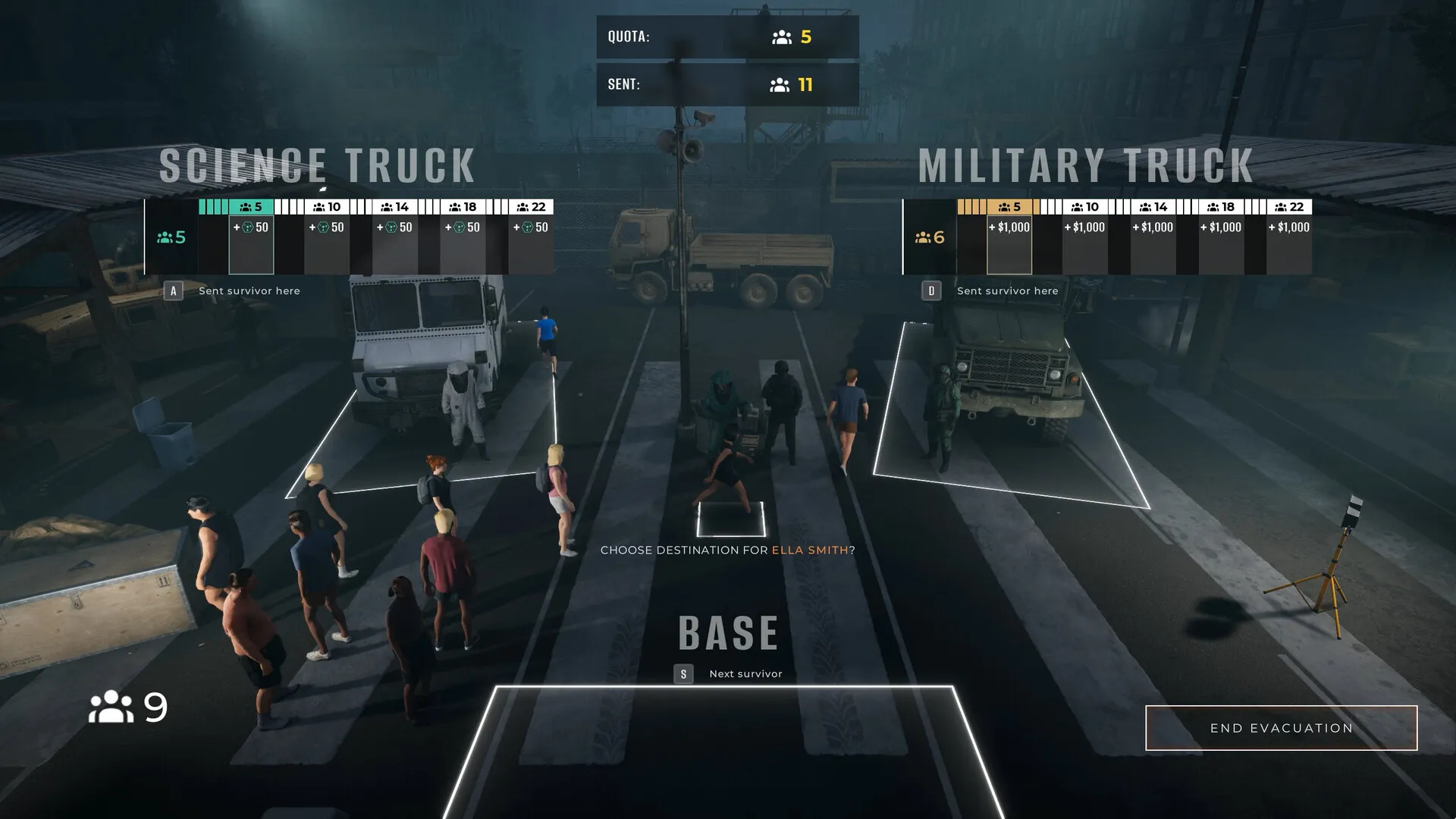
Quarantine Zone: The Last Check is a survival strategy and inspection management game set during a catastrophic outbreak that has pushed society to the brink of collapse. Players take control of the final quarantine checkpoint between infected territories and the last remaining safe zone. Every survivor who approaches the checkpoint could either be harmless—or a deadly threat carrying infection.
The game combines tense decision-making, resource management, survival mechanics, and moral dilemmas. Players must inspect survivors, detect symptoms, manage limited supplies, and maintain security under constant pressure. Every choice directly impacts the survival of both the checkpoint staff and the remaining civilian population. This guide explains how to efficiently manage the checkpoint and survive the growing crisis.
1. How to Understand the Checkpoint System
At the start of the game, you are assigned to operate the last active quarantine checkpoint. Your main responsibility is determining who can safely enter the protected zone.
Every individual arriving at the gate must be inspected carefully. Some survivors may be infected, carrying forged documents, or hiding dangerous intentions.
Your main duties include:
- Inspecting arriving survivors
- Verifying identification documents
- Monitoring suspicious behavior
- Preventing infected individuals from entering
A single mistake can endanger the entire quarantine zone.
2. How to Inspect Survivors Correctly
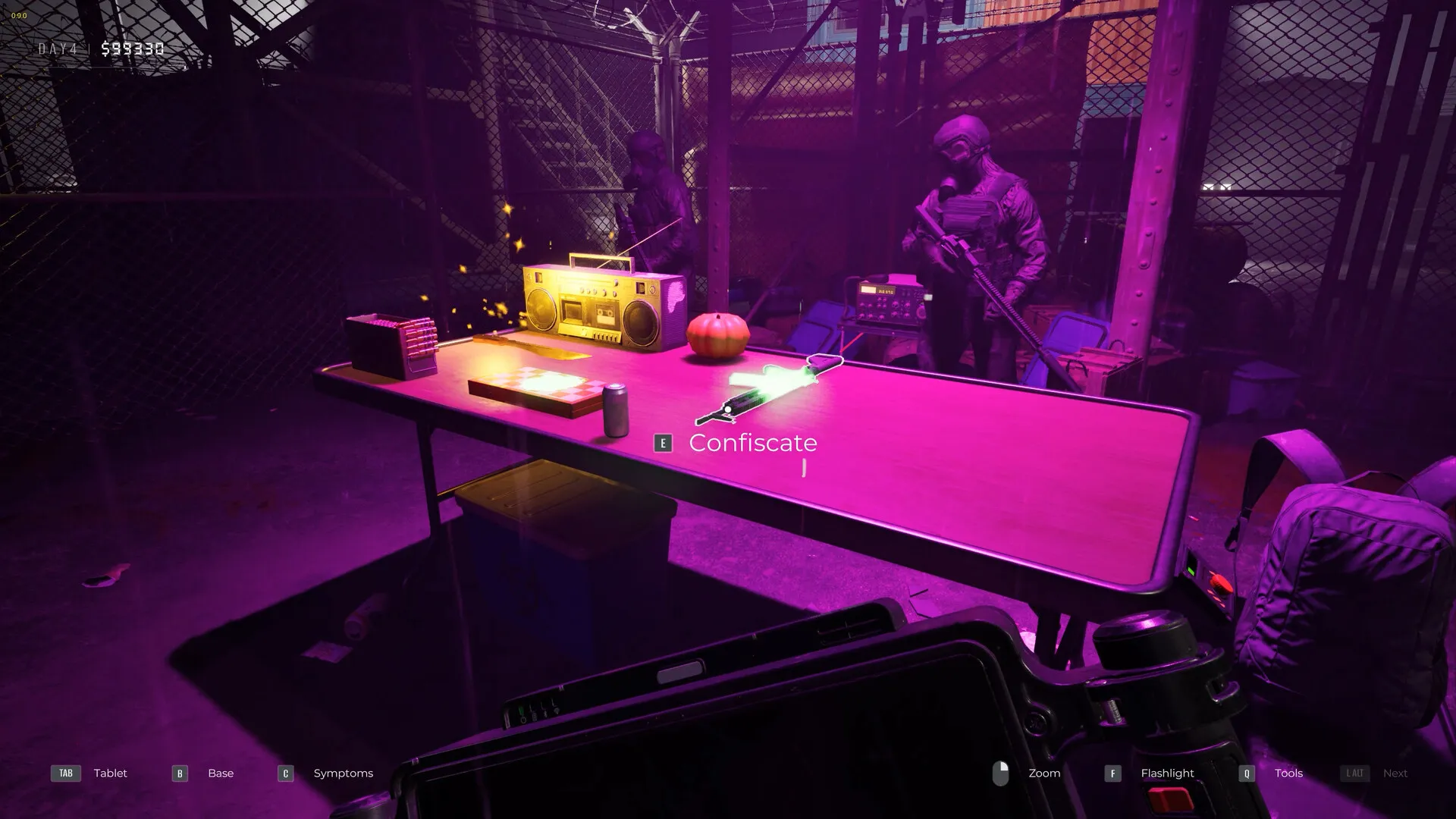
Inspection is the most important gameplay mechanic in Quarantine Zone: The Last Check.
Players must carefully analyze survivors using visual observation, questioning, and medical screening tools. Some infected individuals display obvious symptoms, while others may hide their condition.
Key inspection methods include:
- Checking body temperature
- Examining visible symptoms
- Reviewing travel documents
- Observing nervous or suspicious behavior
Thorough inspections reduce the risk of infection spreading.
3. How to Detect Hidden Infections
Not every infected person appears visibly sick. Some individuals may carry the disease without obvious symptoms.
Learning how to recognize subtle warning signs is essential for survival.
Common infection indicators include:
- Persistent coughing
- Pale or damaged skin
- Unusual aggression
- Fever or weakness
Careful observation helps prevent hidden infections from entering the safe zone.
4. How to Manage Limited Resources
Resources become increasingly scarce as the outbreak worsens.
Medical supplies, food, protective equipment, and ammunition must all be distributed carefully to keep the checkpoint operational.
Important resource priorities include:
- Medical kits and testing tools
- Protective gear for staff
- Emergency food supplies
- Security equipment and ammunition
Poor resource management can quickly lead to disaster.
5. How to Maintain Security and Crowd Control
Large groups of desperate survivors can create panic and violence at the checkpoint.
Maintaining order is essential to continue inspections safely and avoid riots.
Security strategies include:
- Assigning guards to entrances
- Separating suspicious individuals
- Managing crowd movement
- Responding quickly to disturbances
A stable checkpoint reduces chaos and improves efficiency.
6. How to Handle Moral Decisions
One of the most difficult parts of the game involves moral choices.
Some survivors may beg for entry despite displaying symptoms, while others may arrive with children or injured family members.
Players must constantly choose between compassion and protecting the quarantine zone.
Difficult choices may include:
- Denying entry to potentially infected survivors
- Prioritizing limited medical supplies
- Separating family members
- Enforcing strict quarantine rules
These decisions shape the outcome of the story.
7. How to Protect Your Staff from Infection
Checkpoint staff members are essential for survival. If they become infected or injured, operations become much harder to maintain.
Protecting staff health should always remain a top priority.
Staff protection methods include:
- Providing protective clothing
- Rotating work shifts
- Isolating infected personnel
- Monitoring staff health regularly
Healthy staff keep the checkpoint functioning efficiently.
8. How to Upgrade the Checkpoint
As the outbreak evolves, upgrading the checkpoint becomes necessary.
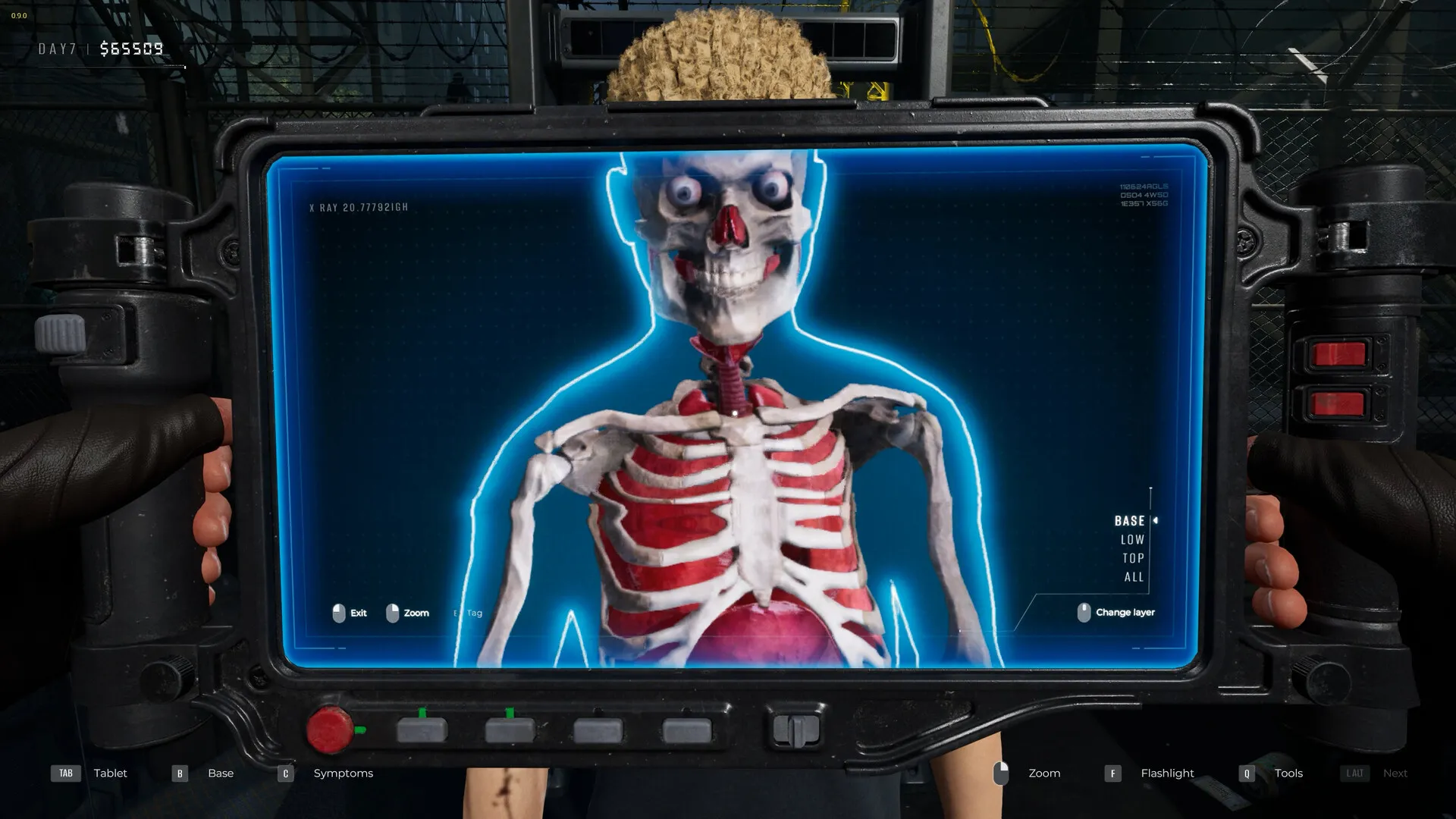
Improved facilities allow faster inspections, stronger security, and more accurate infection detection.
Useful upgrades include:
- Advanced medical scanners
- Reinforced checkpoint barriers
- Additional quarantine rooms
- Expanded storage facilities
Better infrastructure increases survival chances.
9. How to Respond to Emergencies
Unexpected emergencies can occur at any moment.
Outbreaks, riots, supply shortages, or security breaches may threaten the checkpoint and require immediate action.
Emergency response strategies include:
- Locking down infected areas
- Deploying guards quickly
- Isolating dangerous individuals
- Conserving emergency resources
Fast responses prevent situations from escalating.
10. How to Survive the Long-Term Crisis
Long-term survival requires balancing security, humanity, and resource management.
Players who maintain efficient inspections and strong defenses can keep the checkpoint operational even as conditions worsen.
Long-term survival strategies include:
- Maintaining strict inspection procedures
- Expanding checkpoint infrastructure
- Managing staff morale
- Conserving critical supplies
Consistency and careful planning are the keys to survival.
Conclusion
Quarantine Zone: The Last Check delivers a tense survival management experience where every decision matters. By inspecting survivors carefully, managing limited resources, and maintaining checkpoint security, players can protect the final safe zone from collapse.
Through strategic thinking, strong leadership, and difficult moral choices, players must determine who survives and who is turned away during humanity’s final crisis.