






Alan Wake II is one of the most atmospheric and narrative driven survival horror games ever created. Blending psychological tension, investigative gameplay, dual character storytelling, reality bending mechanics, and intense combat, the game requires both strategic thinking and emotional resilience. To play it well, you must understand its systems, manage resources wisely, read the environment carefully, and interpret symbols that shape the story world. This guide explains how to navigate the game step by step, from the foundations of exploration to the final narrative climaxes.
What makes Alan Wake II unique is the way it merges two characters into one continuous storyline. Players alternate between Saga Anderson, an FBI profiler investigating ritualistic murders, and Alan Wake, a trapped writer trying to escape the Dark Place. Each perspective changes the way you interact with the world. This article will show you how to master both characters, interpret important clues, survive encounters, and understand how to progress without getting overwhelmed.
1 Understanding the Dual Narrative Structure

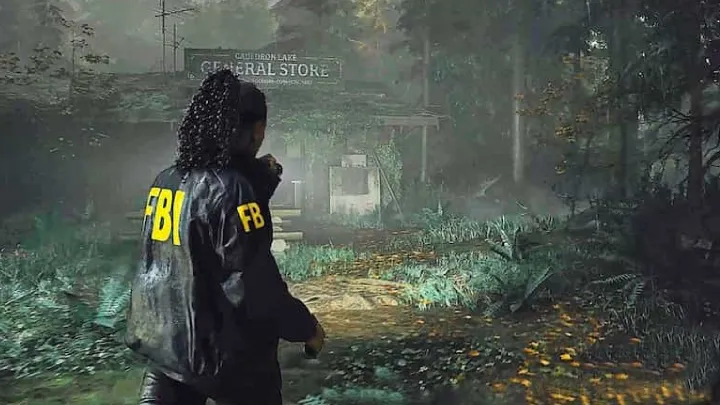
The first step is learning how the game’s dual narrative system works. Saga Anderson and Alan Wake each offer different gameplay loops, different challenges, and different themes. The game allows you to switch between their chapters when possible, giving you freedom to progress one story before switching to the other. Understanding when to alternate characters and when to focus on one path helps you avoid difficulty spikes and narrative confusion.
Saga’s gameplay leans toward investigation, deduction, and piecing together clues through her Mind Place mechanic. Alan’s gameplay focuses more on surreal exploration, puzzle solving, and escaping nightmarish environments. Because their stories eventually connect, you must follow both characters evenly. Switching perspectives regularly keeps you better informed and ensures you do not miss important narrative connections.
2 How to Explore the World Safely
Exploration is at the heart of Alan Wake II, but danger often hides behind every corner. Forests, abandoned buildings, city alleyways, and nightmare worlds all hold environmental clues that reveal the plot. Moving slowly, examining surroundings, and listening for unusual audio signals helps you avoid ambushes or missing key items. Exploration should be deliberate rather than rushed.
To maximize safety, stay alert for environmental warnings such as rustling bushes, shadow flickers, or distortions in the air. These signs often signal that Taken enemies may appear. When exploring dark areas, use your flashlight strategically to manage battery life. Conserve your stamina so you can run from danger when needed. The game rewards careful observation with hidden items, extra batteries, and manuscript pages that reveal deeper lore.
3 Mastering Saga Andersons Investigation Tools
Saga’s Mind Place is one of the most powerful systems in the game. It allows you to pause real time and enter a mental projection where clues are pinned, cases are connected, and deductions are formed. Using this tool correctly is key to progressing the story smoothly. Reviewing evidence regularly helps you interpret events and unlock new dialogue topics.
In the Mind Place, the Case Board allows Saga to arrange clues that determine the next objective. If you ever feel stuck, returning to the Case Board usually reveals a missing link you may have overlooked. Saga also uses profiling to analyze suspects, which helps uncover hidden motivations. This system is essential for deep narrative understanding, and players who engage with it thoroughly will understand details many others overlook.
4 Navigating Alan Wakes Surreal Environments
Alan Wake’s sections take place in shifting dreamlike landscapes where reality changes without warning. Hallways reconfigure themselves, rooms repeat endlessly, and shadows distort the environment. To progress in these spaces, players must be patient and pay attention to the symbols, lights, and patterns that show the correct path.
One of Alan’s key tools is the Angel Lamp, which allows him to move light from one source to another. This mechanic reshapes the world and reveals hidden paths. If you ever feel lost, focus on lighting patterns or unusual structures. These often hint toward the next correct interaction. Staying calm in surreal sequences is important because panic can lead you in circles.
5 How to Manage Resources Effectively
Weapons, flashlight batteries, healing supplies, and ammunition are extremely limited in Alan Wake II. To survive, you must manage every resource with care. Avoid unnecessary combat when possible, since fighting consumes ammunition and batteries quickly. Searching every corner of the environment helps you find more supplies.
Keep an eye on your inventory weight and organization. You may need to leave behind low value items to prioritize important ones such as first aid, revolver ammo, or flares. Saving batteries for intense encounters instead of normal exploration will drastically improve your survival chances. The game teaches players that endurance requires planning, not brute force.
6 How to Fight Shadows and Taken Enemies
Combat in Alan Wake II blends shooting mechanics with light based attacks. The flashlight weakens enemies by burning away darkness shields before they can be damaged by bullets. The key is learning when to shine the flashlight and when to fire. If you try to attack too early, you waste ammo with no effect. Timing is everything.
Movement is equally important. Staying still in combat is a guaranteed way to get overwhelmed. Use dodge rolls, quick turns, and obstacle navigation to create distance between you and your attackers. Enemies often attack in groups, so positioning yourself near light sources or narrow hallways helps you control the flow of combat. If supplies run low, running away is always a valid option.
Useful combat strategies
- Always remove darkness barriers before attacking
- Keep your flashlight aimed but do not overuse battery boosts
- Use flares to stun groups
- Prioritize fast enemies first
- When ammo is low, choose escape instead of fighting
7 Solving Puzzles and Interpreting Symbols
Puzzles in Alan Wake II blend environmental clues, symbolic imagery, and logical reasoning. Many puzzles draw on themes from previous games, such as reversed sequences, mirrored patterns, or sound based cues. The key to solving puzzles is slowing down and examining symbols closely. Most puzzles have clues within the same room or nearby areas.
Some challenges require combining multiple clues collected earlier. For example, manuscript fragments often contain subtle references that help unlock doors or reveal hidden passages. Listening to strange sounds or watching shadow movements may also hint at solutions. The game rewards players who treat puzzles as narrative devices rather than mechanical obstacles.
8 Understanding Themes, Metaphors, and Hidden Meanings
Alan Wake II is heavily metaphorical. Much of what appears literal in the world is actually symbolic. Darkness represents loss of control, light represents understanding, and repeated structures represent the loops the characters are trapped in. To follow the narrative fully, players must interpret events rather than take them at face value.
Characters often speak in fragmented or poetic language. These lines are more than stylistic choices; they provide clues about upcoming events or the characters emotional states. Paying attention to themes such as identity, guilt, creativity, and corruption helps players interpret story turns properly. The game is designed to be understood on multiple layers, and deeper engagement leads to a more fulfilling experience.
9 How to Progress During Difficult or Confusing Moments
Because of its abstract storytelling and nonlinear structure, players can sometimes become unsure of what to do next. When this happens, there are several reliable ways to regain direction. Revisiting older environments often reveals new interactions that appear only after completing other objectives. Checking the map regularly helps you spot unexplored paths.
Returning to Saga’s Mind Place or Alan’s light manipulation areas often reconnects missing narrative steps. Interacting with NPCs multiple times reveals new dialogue lines. Finally, slowing down and listening to the environment almost always provides an answer. The game is intentionally designed to challenge your interpretation skills, but it always gives clues if you pay close attention.
10 Final Strategies for Completing the Story
As you approach the conclusion of Alan Wake II, difficulty increases, environments become more distorted, and enemy encounters become more aggressive. The best strategy is to remain disciplined with resource use and avoid unnecessary firefights. Understanding the narrative connections between Saga and Alan becomes crucial in the final chapters.
Emotionally, the final sequences can be intense, requiring calm decision making and patience. The game tests everything you have learned from earlier sections. By this point you should be comfortable with puzzle logic, combat timing, environmental observation, and symbolic interpretation. Bringing all of these skills together ensures you finish the story with clarity and appreciation of the deeper themes.
Conclusion
Alan Wake II combines atmospheric storytelling, investigative mechanics, and psychological horror to create a uniquely intense experience. By learning how to explore safely, manage limited resources, interpret complex puzzles, and connect dual narratives, players can experience the story at its fullest depth. The game rewards thoughtful, observant, and patient players who embrace the mysterious world rather than fear it. Mastering these techniques ensures you fully enjoy one of the most haunting narrative adventures ever created.
Summary
A full guide to mastering Alan Wake II. Learn exploration, combat, puzzles, resource use, and dual story strategy to progress through the psychological horror experience.