.webp)





Introduction
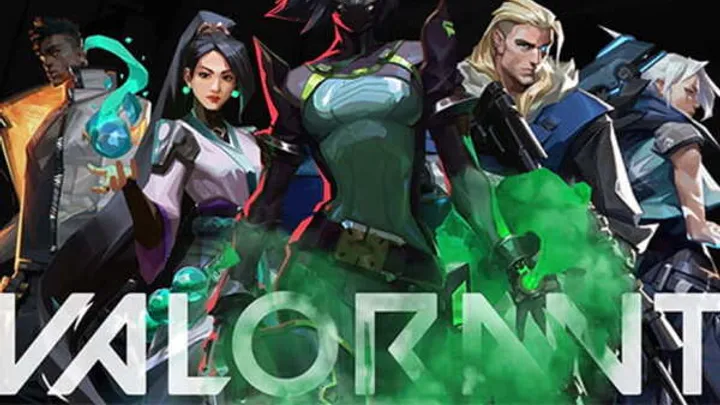
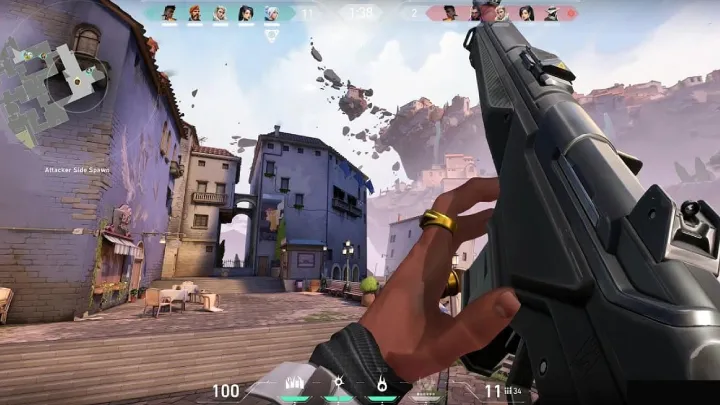
Valorant is a tactical first-person shooter developed by Riot Games that has rapidly gained popularity since its release in June 2020. The game combines precise gunplay with unique character abilities, offering a fresh take on the competitive shooter genre. Players take on the role of Agents, each possessing their own skills that can shift the momentum of a match. Whether you're a newcomer aiming to get a foothold or a seasoned player seeking to refine your skills, this guide will provide you with essential strategies and tips to excel in Valorant.
Understanding Valorant Basics
Before diving into complex strategies and techniques, it's important to understand the foundational aspects of Valorant—its gameplay mechanics, agents, and overall objectives.
Game Overview
Valorant is primarily played in 5v5 matches where one team attacks and the other defends. The attacking team must plant a bomb (called the Spike) at designated sites, while the defending team aims to diffuse it or eliminate the opposing team.
Key Components:
- Agents: Characters with unique abilities that define their roles in the game.
- Weapons: A variety of firearms with distinct characteristics.
- Maps: Various maps that provide unique layouts and strategies.
Choosing the Right Agent
Selecting an Agent that aligns with your playstyle is crucial for team success. Each Agent belongs to one of four categories: Duelists, Controllers, Sentinels, and Initiators.
Agent Categories
- Duelists: Designed for high-fragging and aggressive playstyle. Examples include Phoenix and Reyna.
- Controllers: Specialize in area denial and map control. Omen and Brimstone fall into this category.
- Sentinels: Focus on healing and support, with Agents like Sage and Cypher.
- Initiators: Designed to disrupt enemy positions and initiate engagements, such as Sova and Breach.
Understanding Abilities
Each Agent has three unique abilities and an ultimate ability. Familiarizing yourself with these abilities can enhance your effectiveness in matches.
Agent Key Ability Ultimate Ability Phoenix Curveball Run It Back Omen Shrouded Step From the Shadows Sage Barrier Orb Resurrection Jett Tailwind Blade Storm Mastering Movement and Shooting
Movement and shooting mechanics are vital to improving your gameplay in Valorant. A solid understanding of movement combined with precise aim can lead to outplaying opponents.
Movement Techniques
- Counter-strafing: This technique allows players to stop accurately right after moving. Press the opposite movement key while shooting to achieve this.
- Jumping and Crouching: Awareness of when to jump or crouch during engagements can make you a harder target to hit.
Practicing Aim
- Aim Training: Use third-party aim trainers or Valorant’s practice range to hone your aim.
- Crosshair Placement: Always keep your crosshair at head level and focused at common angles where enemies might appear.
Understanding the Maps
Familiarity with maps can provide significant advantages in matchups, as each map offers unique layouts and strategic points.
Key Map Features
- Spike Sites: Identify where the Spike can be planted; understanding these locations can inform rotations and strategies.
- Callouts: Learn the names of areas on each map to communicate effectively with your team.
Commonly Played Maps
- Bind: Features teleporters that can dramatically change engagements.
- Haven: The only map with three Spike sites, offering unique strategic changes.
- Split: Composed of verticality, providing opportunities for both aggressive and defensive plays.
Strategic Planning and Teamwork
In Valorant, communication and teamwork can dictate the success of a team. Establishing strategies before and during matches is crucial.
Effective Communication
- Voice Chat: Use voice chat to clearly share important information regarding enemy positions and tactical decisions.
- Pings: Utilize in-game ping systems for non-verbal communication when you can’t use your mic.
Establishing Roles
Each player should have a designated role based on the chosen Agent. Assign responsibilities to optimize team performance:
- Entry Fragger: The player who leads engagements and initiates attacks.
- Support: Players who back up others, heal, and provide assists.
- Controller: Agents focus on map control and area denial.
Utilizing Ability Synergy
Combining abilities effectively can overwhelm opponents and create advantageous situations. Coordinated use of abilities can lead to key victories in engagements.
Ability Combinations
- Smoke and Flash: Use a Controller's smoke to seal off sightlines followed by an Initiator's flashbang for a surprise attack.
- Healing and Reviving: Use a Sentinel's healing ability to keep the team alive and Sage's Resurrection to bring back fallen teammates.
Timing and Placement
Ability usage requires careful timing and placements:
- Map Awareness: Always consider the optimal areas to use abilities.
- Enemy Positioning: Anti-dive tactics should be employed when you know where enemies are located.
Buying and Economy Management
In Valorant, managing your economy is crucial for maintaining an edge and funding your purchases throughout the rounds.
Understanding Economy
Money in Valorant is earned through kills and completing objectives. Effective budgeting will determine what weapons and utilities are available for each round.
Buying Strategies
- Full Buy vs. Eco Rounds: Recognize when to spend all your earned credits on weapons and utilities versus saving for future rounds.
- Shared Economy: Communicate with your team if a shared economy strategy is viable. Sometimes, coordinating Eco rounds can help bring forth high-impact rounds later.
When to Spend
- Second Round Strategy: Following a lost first round, consider forcing an eco to maintain pressure.
- Half-Buy Rounds: Adding a few weapons and shields can keep you competitive without spending all credits.
Adapting to the Meta
The Valorant meta constantly evolves with updates and patches. Staying informed about the current state of the game can help you effectively adapt your gameplay.
Keeping Current
- Patch Notes: Regularly review patch notes for changes to agents, maps, and weapon dynamics.
- Watch Streams: Following professional streamers can provide insight into emerging strategies and optimal placements.
Experimenting with Strategies
- Try Different Agents: Frequent changes can enhance your adaptability. Versatility in playing multiple characters ensures you can adjust to the role that your team needs.
- Coordinated Tactics: Testing strategies in unranked matches before implementing them in ranked can boost confidence.
Analyzing Gameplay
After each match, reflecting on your gameplay is essential for continuous improvement. Understanding what went well and what didn’t can further refine your skills.
Reviewing Your Performance
- Use Replays: Take advantage of the replay function to analyze your own gameplay, focusing on decision-making and positioning.
- Identify Mistakes: Look for recurring errors or missed opportunities during engagements.
Seeking Feedback
- Engage with Friends: Ask teammates for constructive feedback.
- Analyze Professional Play: Watching high-level gameplay can provide insights into areas for improvement and effective strategies.
Conclusion
Succeeding in Valorant takes time, dedication, and a willingness to learn continually. By understanding the game mechanics, mastering your chosen Agent, prioritizing teamwork, and adapting to changing strategies, you can greatly enhance your performance. The competitive nature of the game ensures that there is always room for improvement, so embrace the challenge and enjoy every match as you strive to climb the ranks in Valorant.