.webp)







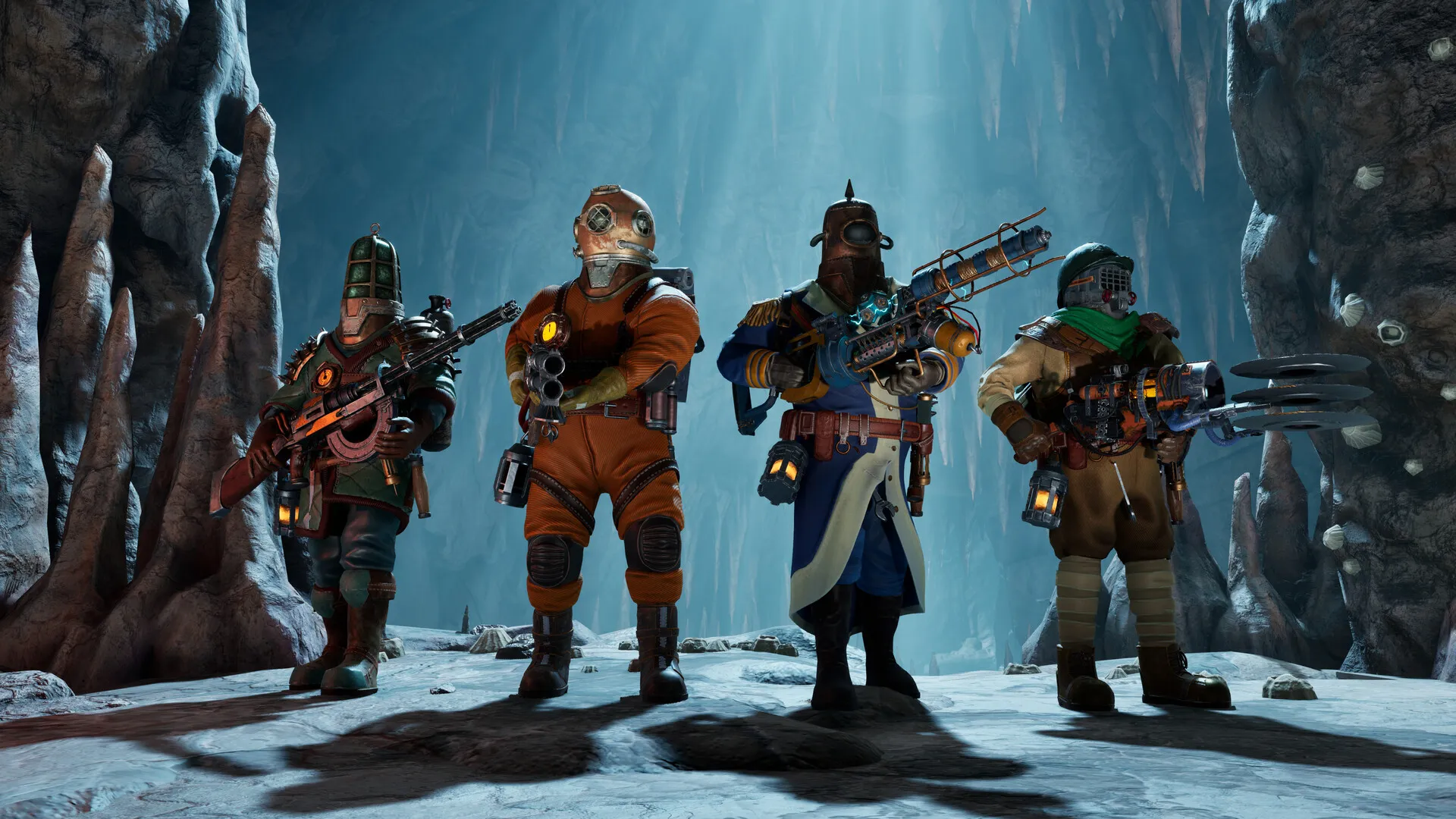
Abyssus is a fast, aggressive roguelite shooter that thrives on momentum. Its underwater gothic aesthetic, relentless enemy waves, and kinetic gunplay push players forward with little room to breathe. At the heart of its design lies a powerful promise: the deeper you descend, the stronger—and more cursed—you become. Blessings grant immense power, corruption raises the stakes, and every decision feels like a gamble against inevitability.
Yet within this elegant framework lies a subtle but significant issue. Over the course of a run, Abyssus’s escalating risk–reward blessing system begins to flatten build identity, gradually shifting player decision-making from creative expression to forced acceptance. What starts as meaningful choice slowly becomes statistical inevitability. This article explores how that transformation occurs, why it matters, and how it affects long-term engagement with Abyssus as a skill-based roguelite.
1. The Core Fantasy of Abyssus: Power Through Descent
Abyssus sells a very clear fantasy: power is not earned through safety, but through risk. Every layer you descend introduces new threats, stronger enemies, and harsher environmental pressure. In return, the game offers blessings—powerful modifiers that reshape how you fight.
Early on, this system feels exhilarating. Each blessing dramatically alters combat flow, encouraging aggressive play and constant adaptation.
H3: Risk as Identity
Risk is not optional in Abyssus; it is the defining feature of progression.
H4: The Implicit Contract
The game promises that the deeper you go, the more your build becomes yours.
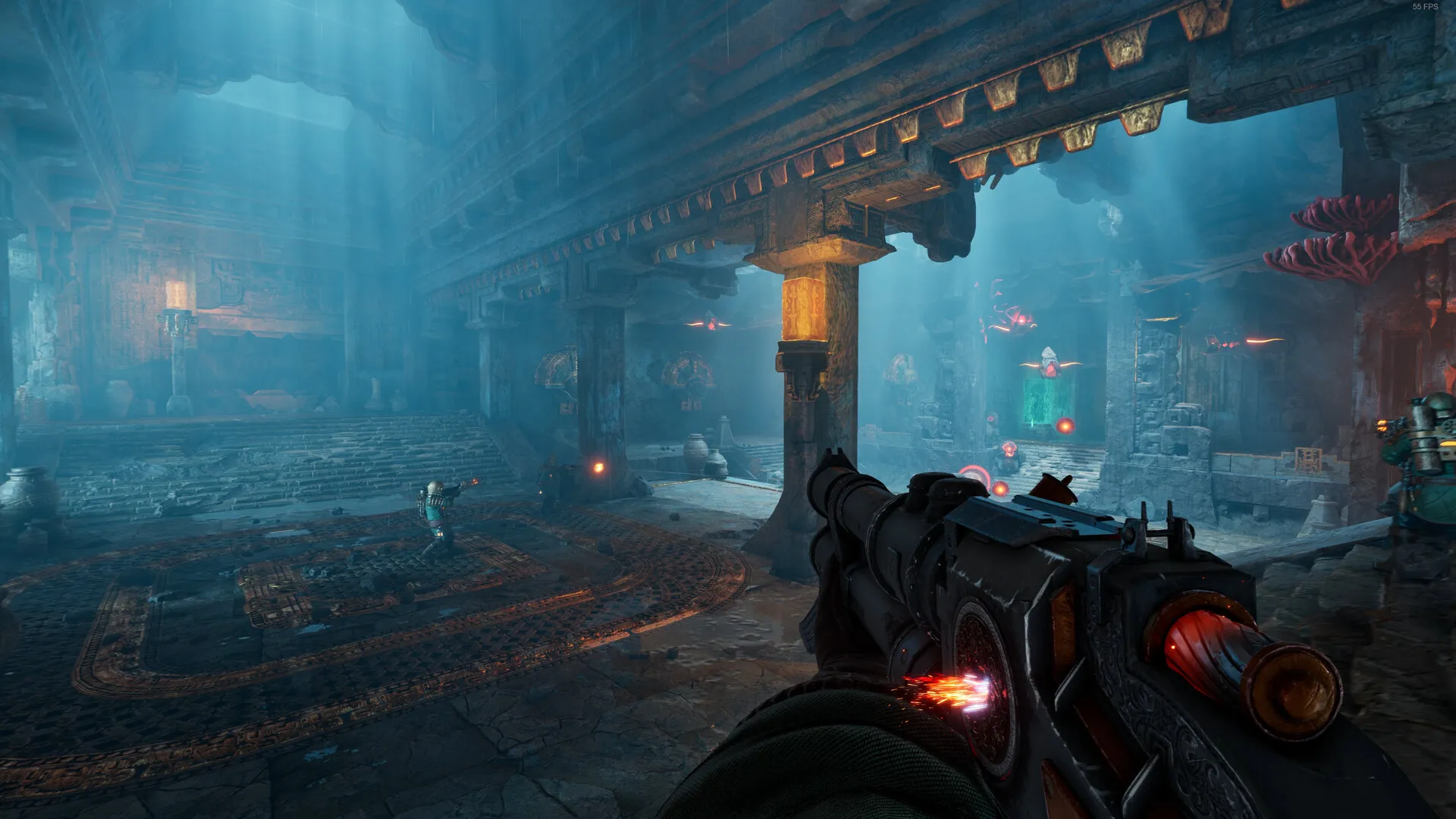
2. Early Runs: When Blessings Enable Expression
In the opening stages of a run, blessing choices feel impactful and personal. You might lean into:
- Close-range brutality
- Precision headshot builds
- Mobility-focused aggression
- High-risk glass-cannon damage
Each choice meaningfully alters how you approach encounters.
H3: Synergy Discovery
Players experiment freely, discovering how weapons, blessings, and movement interact.
H4: Agency at Its Peak
At this stage, the game feels generous. You choose risk, not because you must, but because you want to.
3. The Escalation Curve: More Power, Fewer Options
As runs progress, Abyssus increases both enemy pressure and corruption intensity. Blessings become stronger—but also more extreme.
This is where the issue begins to surface.
H3: Forced Acceptance
Later blessings often come with heavy drawbacks, yet refusing them makes survival increasingly unlikely.
H4: Illusion of Choice
The player is technically choosing—but the alternative is failure.
4. Corruption as a Soft Timer
Corruption in Abyssus functions like an invisible clock. The longer a run continues, the more punishing the environment becomes.
H3: Pressure Without Pause
Corruption scales regardless of player performance, forcing escalation.
H4: Consequence Compression
Strategic planning gives way to immediate survival decisions.

5. Build Identity Under Threat
As blessings stack, builds begin to converge. Regardless of early intentions, most late-game builds prioritize:
- Raw damage
- Survivability
- Crowd control
H3: Homogenization Effect
Unique playstyles are overridden by statistical necessity.
H4: Loss of Expression
Players stop asking “what do I want to play?” and start asking “what will keep me alive?”
6. Weapon Synergy vs System Dominance
Weapons in Abyssus are distinct and well-designed. However, late-game blessings often overpower weapon identity.
H3: Blessings Over Guns
Damage multipliers and global effects overshadow weapon-specific mechanics.
H4: Resulting Imbalance
Weapons feel like delivery systems rather than defining tools.
7. Player Behavior Adaptation
Players adapt quickly to systems, especially in roguelites.
H3: Emergent Optimization
Common behaviors include:
- Always taking high-damage blessings
- Ignoring thematic or situational upgrades
- Accepting corruption penalties without reading
H4: List – Typical Late-Run Patterns
- Builds converge statistically
- Decision speed increases, depth decreases
- Risk becomes mandatory, not chosen
- Identity gives way to efficiency
8. The Psychological Shift: From Thrill to Obligation
What initially feels thrilling eventually feels compulsory.
H3: Power Fatigue
Players become numb to power spikes because they are expected.
H4: Reduced Emotional Payoff
Blessings stop feeling like rewards and start feeling like upkeep.
9. Comparison to Other Roguelites
Many roguelites face this challenge, but Abyssus’s speed amplifies it.
H3: What Abyssus Does Differently
- Faster escalation
- Less downtime
- Higher punishment for refusal
H4: The Trade-Off
Intensity replaces reflection—but at the cost of long-term build diversity.
10. The Core Issue: Escalation Without Breathing Room
The central issue in Abyssus is not difficulty or corruption itself, but the lack of systemic space for builds to stabilize before being overridden.
H3: Design Tension
Abyssus wants:
- Constant momentum
- Escalating danger
- Expressive builds
But escalation consumes expression.
H4: Potential Design Adjustments
- Temporary stabilization floors
- Blessing tiers with identity locks
- Optional corruption pauses
- Late-game identity reinforcement systems
Abyssus is a striking, aggressive roguelite that understands momentum better than most games in its genre. Its combat is fluid, its aesthetic cohesive, and its core fantasy compelling. However, its escalating blessing system—while thrilling in the short term—gradually erodes the very build identity it promises to create.
By transforming risk from a choice into a requirement, the game narrows player agency over time. Builds converge, expression fades, and survival overtakes creativity. This does not make Abyssus a failure, but it does reveal a critical tension between intensity and agency.
Understanding this issue highlights both the brilliance and the fragility of Abyssus’s design. The challenge moving forward is not how to make the game harder—but how to let players remain themselves while drowning in power.